The Smarter Way to: Save Money on Natural Products
You’ve heard that buying in bulk is a great way to save money, but is it always? Which items are best purchased in bulk?
We're sharing all the details of the smarter way to save money on natural products! Learn what to buy, where to buy it, and how to actually stretch your dollar while living a natural, sustainable lifestyle.
When we first started making our own bath and beauty goods, cleaning products, and home essentials, we bought everything from our local grocery store and health store in small quantities.
It was a good way to get started, but we quickly realized that we was going through ingredients fast and spending way too much.
After all, making your own natural products is supposed to save you money, not cost more!
We've since nailed down exactly how and what to buy in bulk so we can save money, avoid waste, and stretch our ingredients.
Even if you don’t make a lot of your own products, buying pre-made natural products like hand soap, laundry detergent, dish soap, and other cleaners in bulk quantities can be an excellent way to save money.
We're sharing everything we know in this note so you can quit overspending on natural products and start simplifying your household!
The Real Cost of Single-Use & Small-Size Products
When you’re staring at a shelf of ingredients, the smallest sizes can be tempting. Oftentimes, the price will only be a few dollars versus several dollars for the bulk sizes, so it feels more affordable and more responsible to purchase small.
If you’ll only need a small amount of product, the smaller size is certainly the better option. But if you’ll be purchasing another small bottle in a couple of weeks, those few dollars add up in the long run.
Small bottles are inexpensive overall, but if you note the per-ounce price compared to that of a large bottle, the price outlook quickly changes. Typically, the smaller bottles can cost several times more per ounce than the large bottles.
Not to mention, you’re often paying a premium for the branding, packaging, and marketing that goes into selling that item. The less often you buy and the larger the container, the more you avoid those additional costs.
What’s Actually Worth Buying in Bulk
So you’re sold on buying in bulk — what’s actually worth the big purchase, and what should be bought in smaller sizes?
The most important thing to ask yourself is: will you finish the product before it goes bad or starts to degrade in quality? Buying in bulk just to throw some away will likely not save you money.
If it has a shorter shelf life or you’ll never finish a whole bottle in your lifetime, it’s best to stick with the more manageable size. And if you’re unsure about a product’s shelf life, it’s a good idea to consult the supplier and see what they recommend. If the answer is yes, then definitely purchase it in bulk!
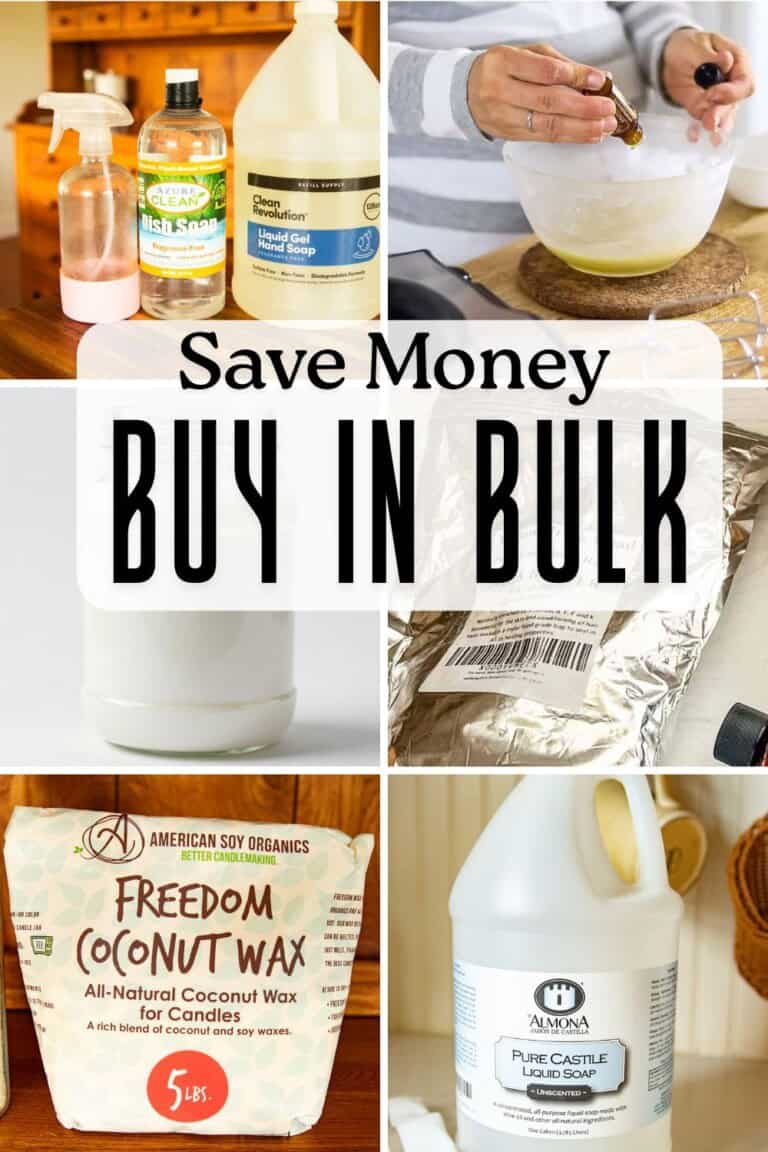
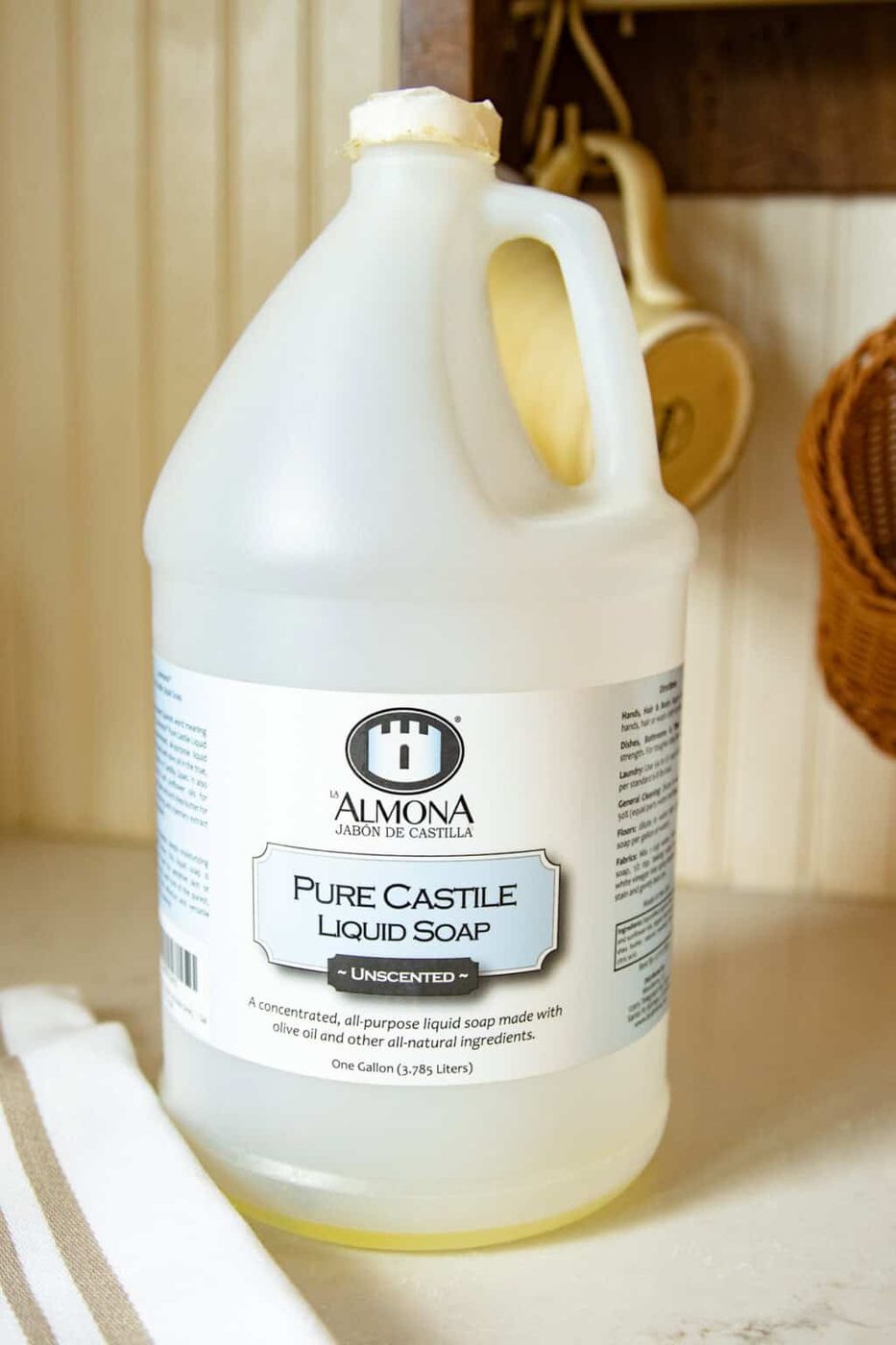
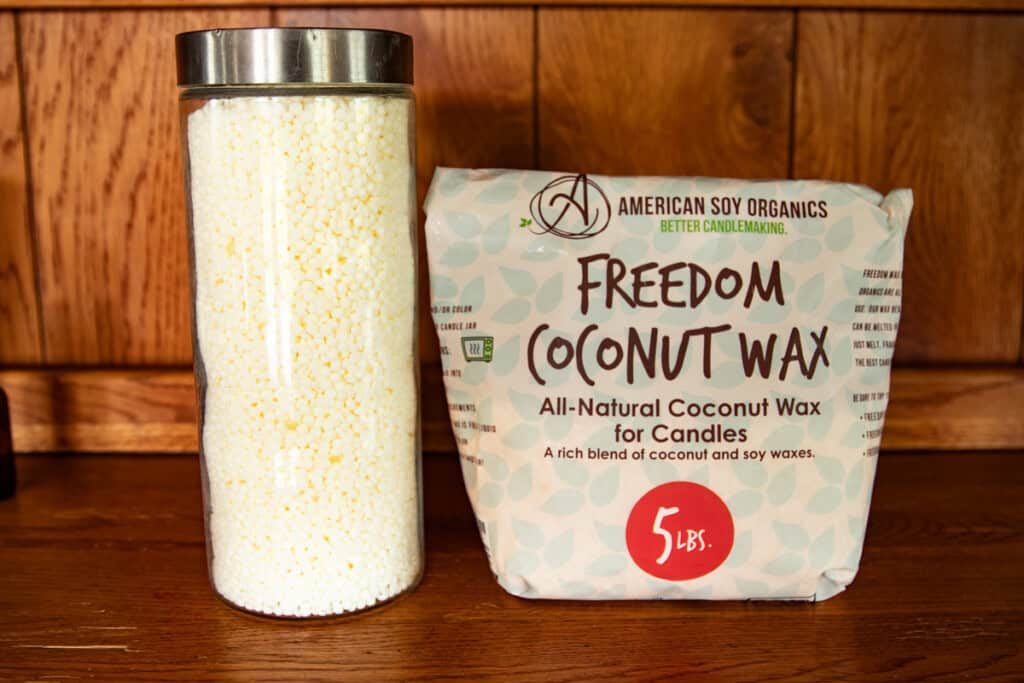
The ingredients we always purchase in bulk are those that make an appearance in multiple DIYs. Castile soap, white vinegar, baking soda, washing soda, carrier oils, and essential oils are used regularly in our recipes, so we know we'll get good use out of the large sizes.
Take a look at the DIY recipes in your arsenal and your regular usage of different products. If you have to restock something regularly, consider looking for bulk sizing next time you purchase it!
Concentrates: Buy Less, Get More
Most cleaning products, liquid soaps, and laundry detergents you buy are diluted with water. This isn’t exactly bad, but it does mean you’re paying for water and the packaging to hold that much material.
That’s why we love concentrates so much. A concentrated product is formulated without the water (or with minimal water) to dilute it.
It may come as a thicker, concentrated liquid or as a powder that is later dissolved in water. This saves plastic and often costs far less than regular, pre-diluted products.
Before using the product, you simply add a small amount to a reusable container and dilute it yourself following the provided instructions. Concentrated cleaning products are an excellent way to save money and reduce waste while you’re at it!
Reusing Containers to Stretch Your Dollar Further
When you start making your own products, you’ll need quite a few containers to store them in. While we love and use plenty of beautiful containers that we purchased just for this purpose, it can add up fast if you buy them all at once.
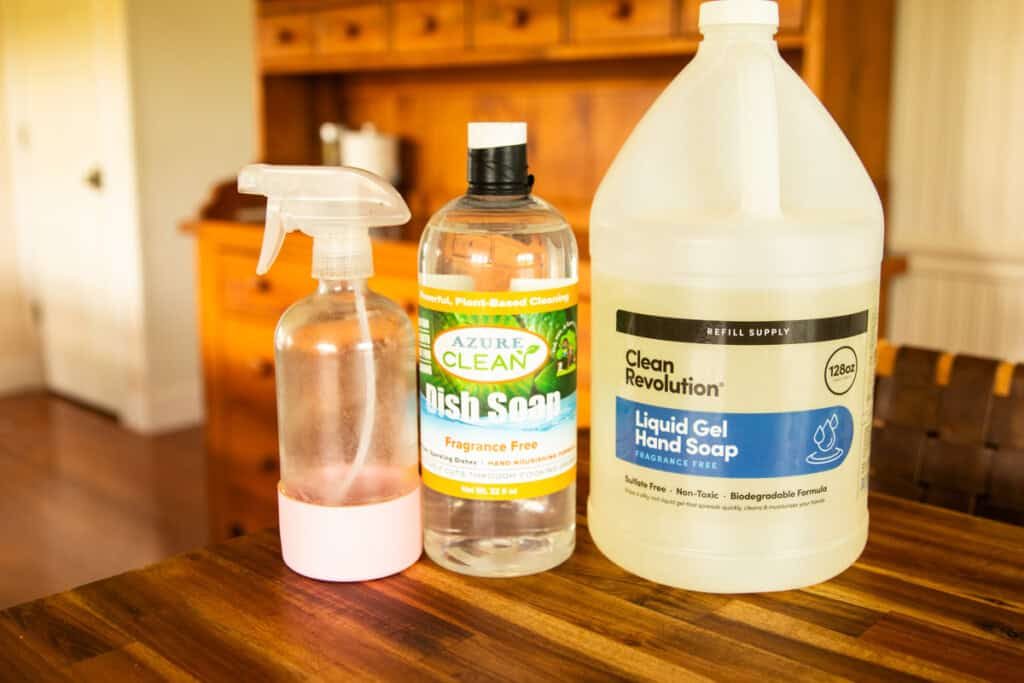
The answer? Reusing old containers! This is a thrifty, zero waste way to make your own products. You can reuse glass jars, spray bottles, pump bottles, and more — simply wash, refill, and repeat!
Most “single-use” packaging can be reused at home quite a few times before it stops working properly. We've personally reused cosmetics and moisturizer jars, soap bottles, shampoo bottles, lip gloss containers, spray bottles, and lotion bottles with great success.
You can get more inspiration for reusing and reducing waste in our post about 12 things to reuse around your home to save money.
Important note: Be sure to avoid reusing any container that once had hazardous chemicals (including bleach and ammonia) in it.
Why DIYing is Cheaper
When you start DIYing instead of grabbing all of your products from the store, you’ll be amazed at how quickly the savings multiply.
By using bulk ingredients and storing your products in reusable containers, you’re avoiding having to purchase anything new when you restock your products.
Even when you factor in the upfront cost of the bulk materials, the price per bottle of a cleaner or body care product is drastically lower than that of pre-made products.
Even saving just a little each time adds up big in the long run. Just think about how many bottles of hand soap, shampoo, laundry detergent, dish soap, etc., you buy in a year!
How to Get Started Without Feeling Overwhelmed
We know, it can feel overwhelming to start building your bulk pantry and making DIY recipes rather than grabbing store-bought options. It doesn’t have to be, though!
The most important key to avoiding overwhelm is not trying to do everything all at once.
Start with one category — say, cleaning, laundry, skincare, or hair care — and switch to DIY as you run out of your old products. Once you feel comfortable with that category, you can move on to the next.
Just purchase a few as you make each recipe, and you’ll be fully stocked in no time! As you gradually try new recipes, you’ll also gradually build up your bulk pantry. You don’t need to spend hundreds of dollars buying every ingredient you’ll ever need.
If you’re ready to get started, here are a few of our most popular, beginner-friendly recipes:
- DIY All-Purpose Cleaner
- Simple, Natural Homemade Laundry Detergent
- Homemade Liquid Dish Soap
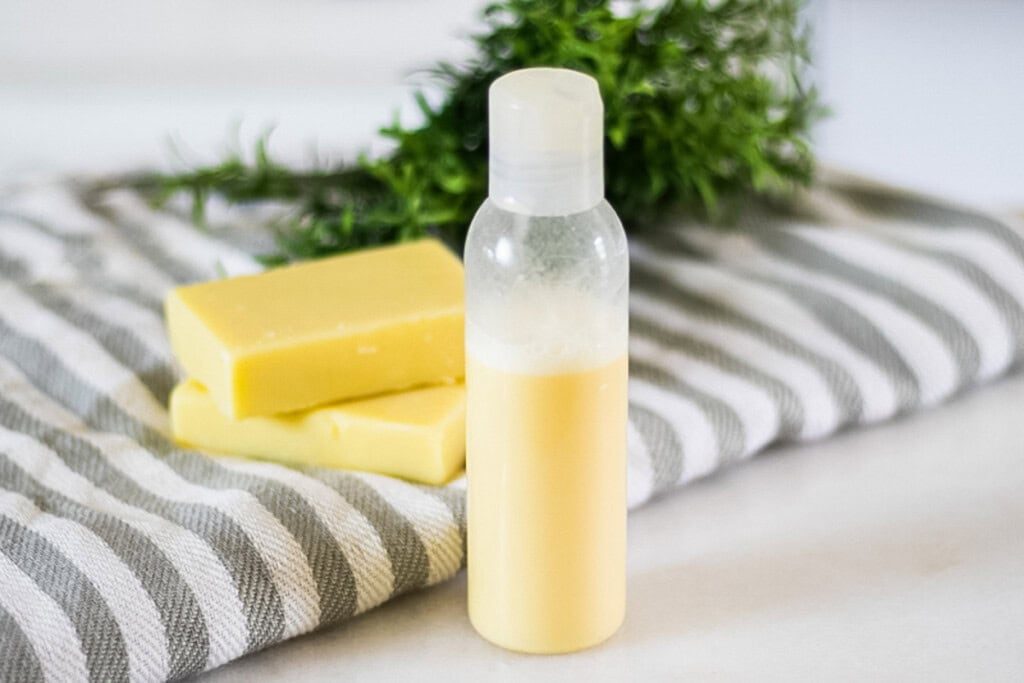
- DIY Face Moisturizer
- Homemade Rosemary Shampoo
Where we Buy in Bulk
You may be wondering where to buy all of these ingredients in bulk. There are a few places to check prices, and you’ll slowly start to remember where you prefer to buy each thing on your shopping list.
It’s also hard to beat the convenience and free shipping! We have all of our frequent purchases listed in our Amazon storefront, so you can see what we like to buy from there. Amazon is a great place to buy a lot of your natural living ingredients in large sizes at affordable prices.
Bulk Apothecary is another excellent choice, especially for soapmaking and candle making. They have bulk natural oils, waxes, butters, and other staples for homemade goods.
We also shop at Azure Standard for a few of our natural living items, such as dish soap or the occasional bottle of castile soap. We buy most of our dry pantry staples from Azure, so we can add some other household essentials to our order when the price is great!
Lastly, don’t forget to check what kind of bulk options you have locally! Health food stores, refill shops, homesteading stores, and even membership warehouse clubs can be excellent options, but it depends on what you have in your area.
Conclusion
Now you’re ready to start buying in bulk to save money on your natural products! Buying smarter, making more of your products at home, and focusing on a zero-waste lifestyle will make a huge dent in your household budget.
You’ll also get high-quality, custom products to use and a whole lot of satisfaction!
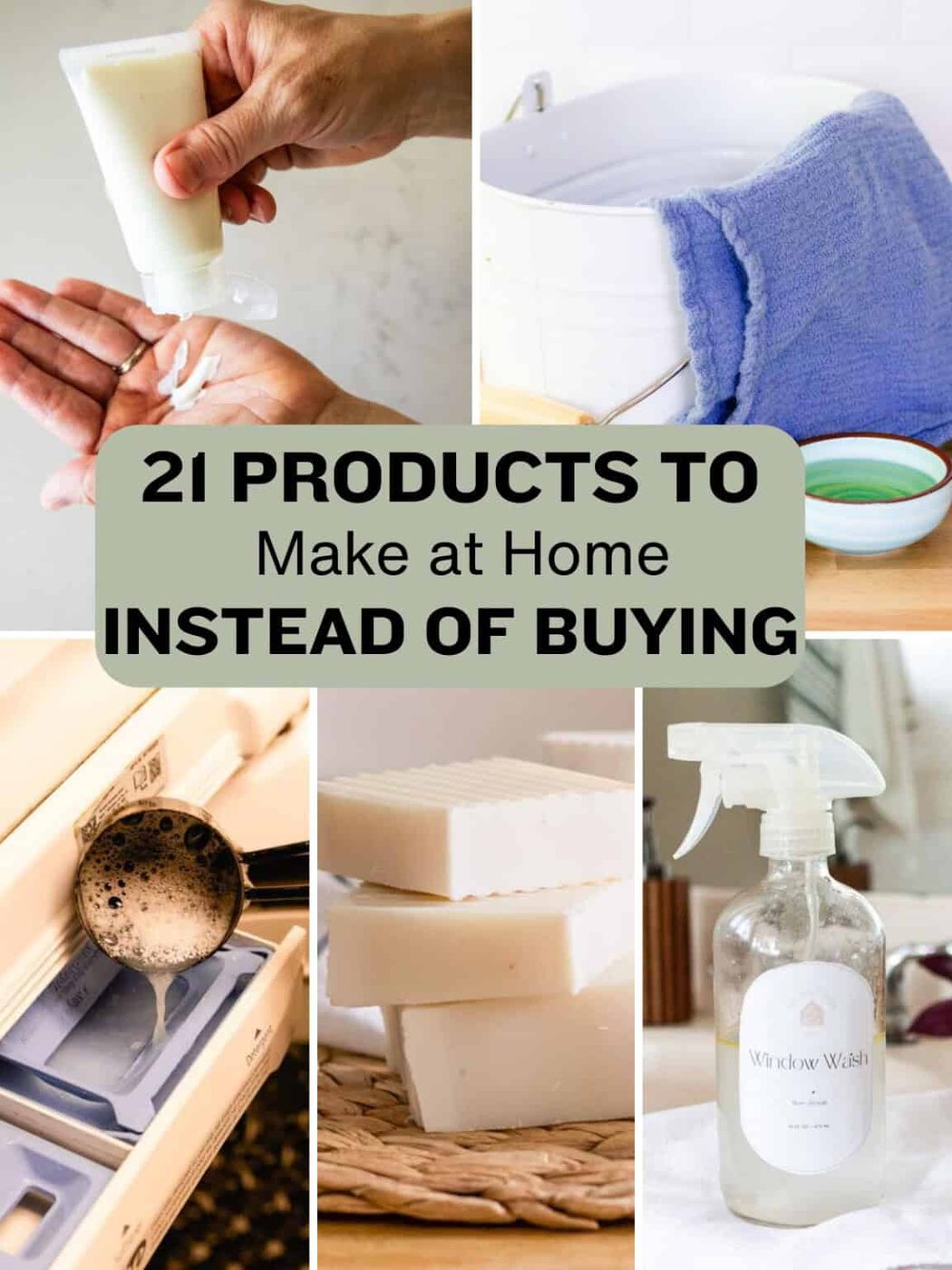
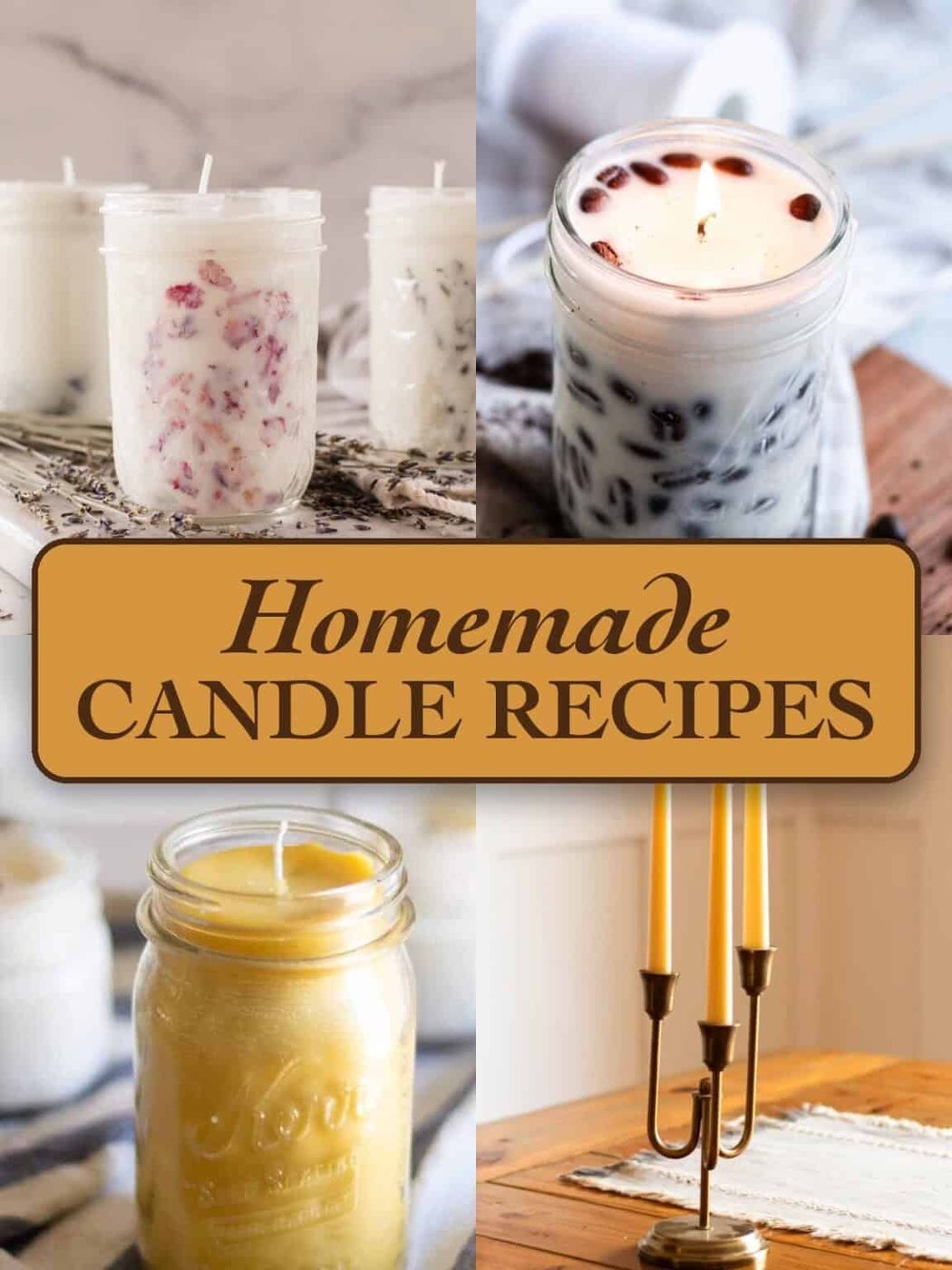
What will you make first? See the list below, and let me know in the comments! You’ll also love our post about the 21 things we stopped buying and started making instead.
And if you’re looking for more ways to save this season, don’t miss our 17 summer swaps to save money roundup.