Homemade Rosemary Shampoo
Also filed inBath and BeautyAll NaturalDIYHaircare
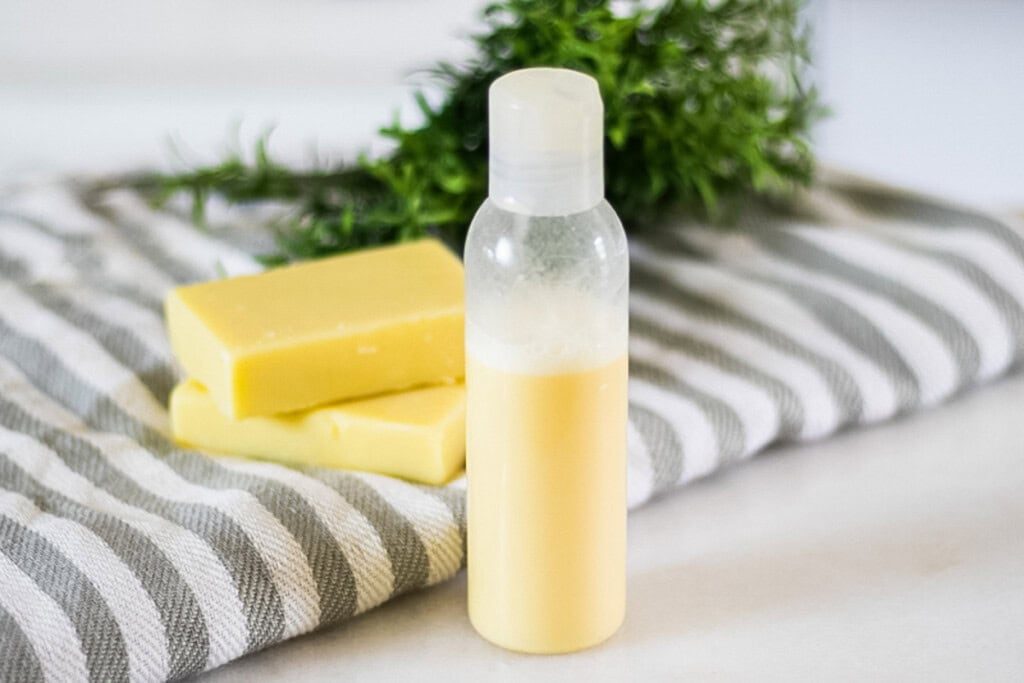
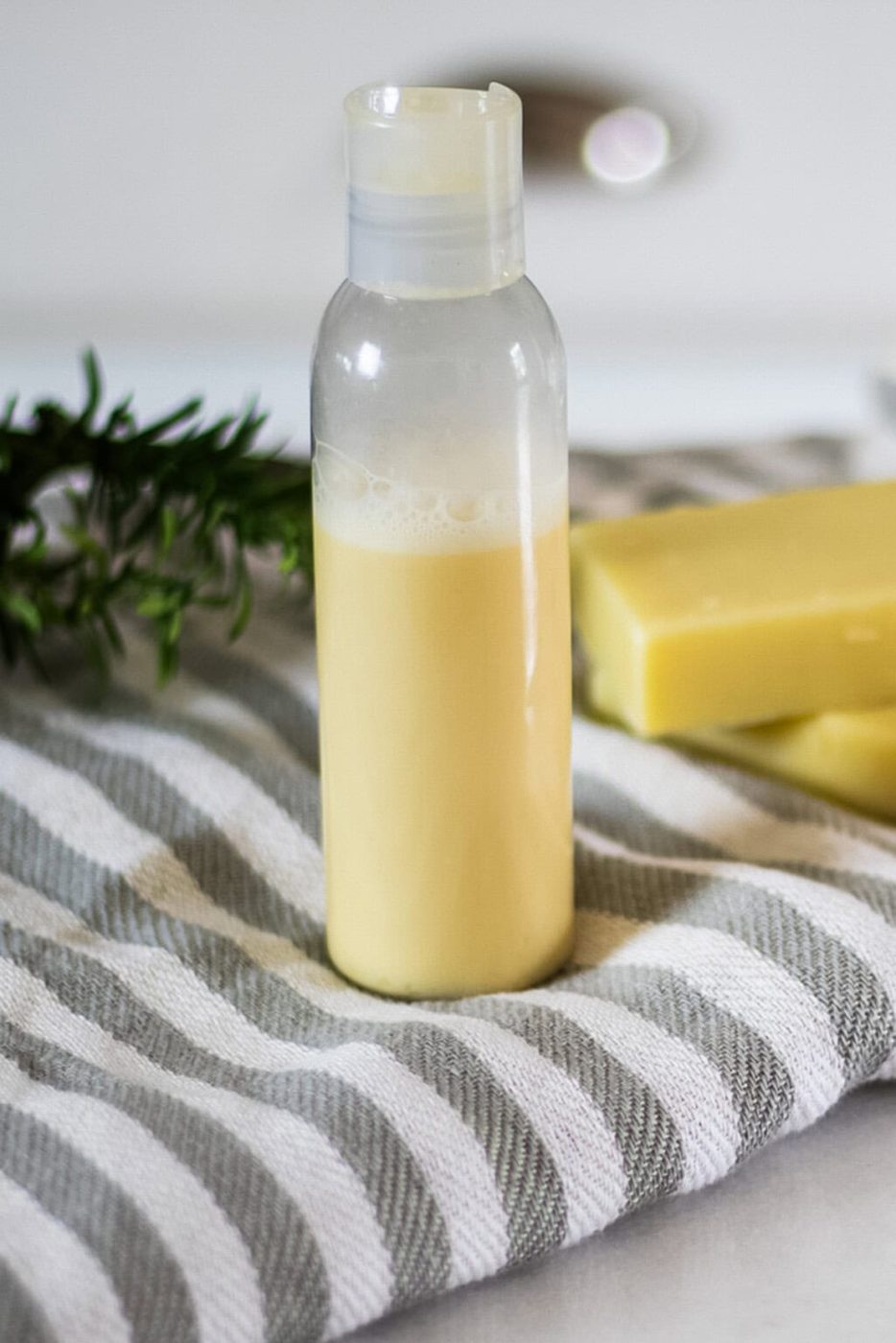
Making your own shampoo is simple and will leave your hair soft and moisturized. This homemade rosemary shampoo is made with nourishing ingredients, like rosemary essential oil and coconut milk.
We've made a lot of homemade shampoo recipes over the years, but this is one of our first and one we like to go back to again and again!
It’s made with such nourishing ingredients that smell amazing and make our hair soft, hydrated, and shiny.
Our whole family uses this shampoo, and we love making it for them!
Why You’ll Love It
- Making your own shampoo can save a lot of money! Natural shampoo can be quite costly, so making your own is a great way to stay on budget while still keeping it all-natural.
- This shampoo is made with simple, nourishing ingredients. You don’t have to worry about reading labels and researching mysterious ingredients when you make this rosemary shampoo.
- Every ingredient in this recipe will help promote thick, shiny, soft, and strong hair. It’s an easy way to have beautiful hair!
- DIY hair care is an excellent way to live a more sustainable life. This recipe uses eco-friendly ingredients and a reusable bottle to be more green.
Ingredients
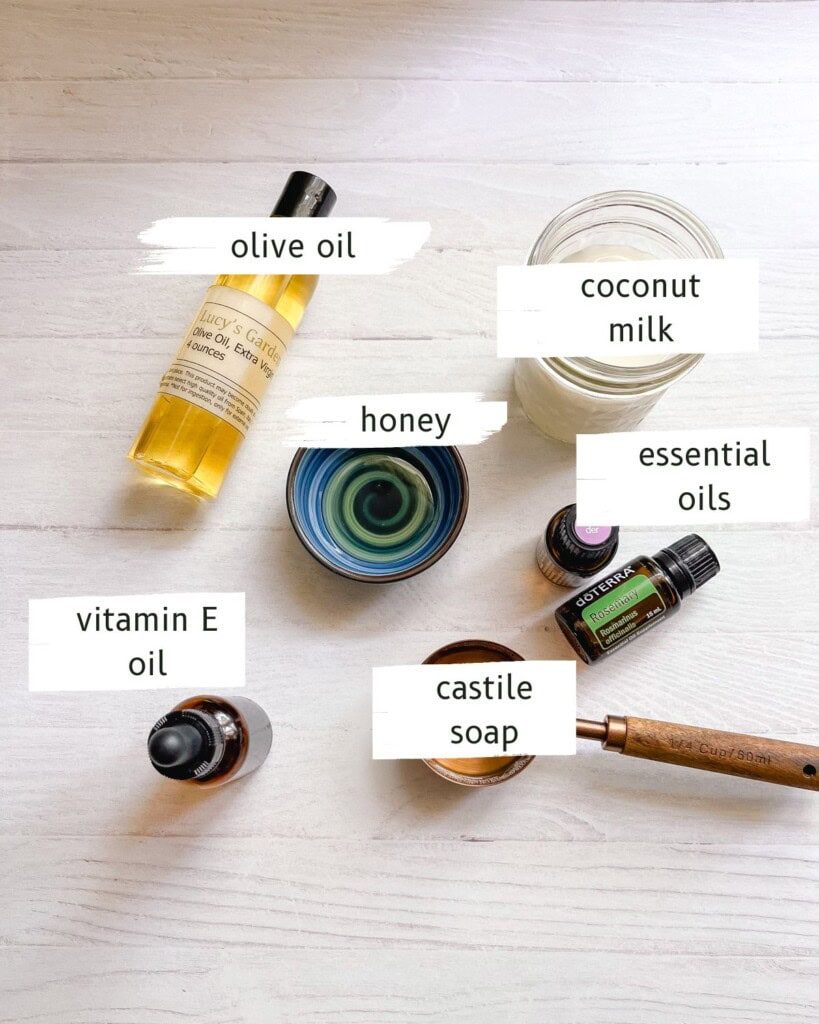
- Coconut milk: You want canned, full-fat coconut milk that is free of sweeteners and other added ingredients.
- Castile soap: Castile soap is a gentle vegetable-based soap that is great for any sort of cleansing. We use it in cleaning products, homemade body wash, and this shampoo.
- Olive oil: we like olive oil because of its benefits for the hair and affordability. You can swap it out with another liquid carrier oil if you’d like. See our full list of best carrier oils for more information.
- Honey: Use raw, local honey whenever possible.
- Vitamin E oil: This has so many benefits for the hair and scalp, so we like to add it to a lot of our DIY hair products.
- Essential oils: A combination of lavender and rosemary makes this shampoo smell incredible and offers some benefits for the hair.
- Preservative (optional): You can add a broad-spectrum preservative to this shampoo, following the instructions on the bottle, if you’d like. This will extend the shelf life of the shampoo, so you don’t have to make it weekly.
How to Make Natural Rosemary Shampoo
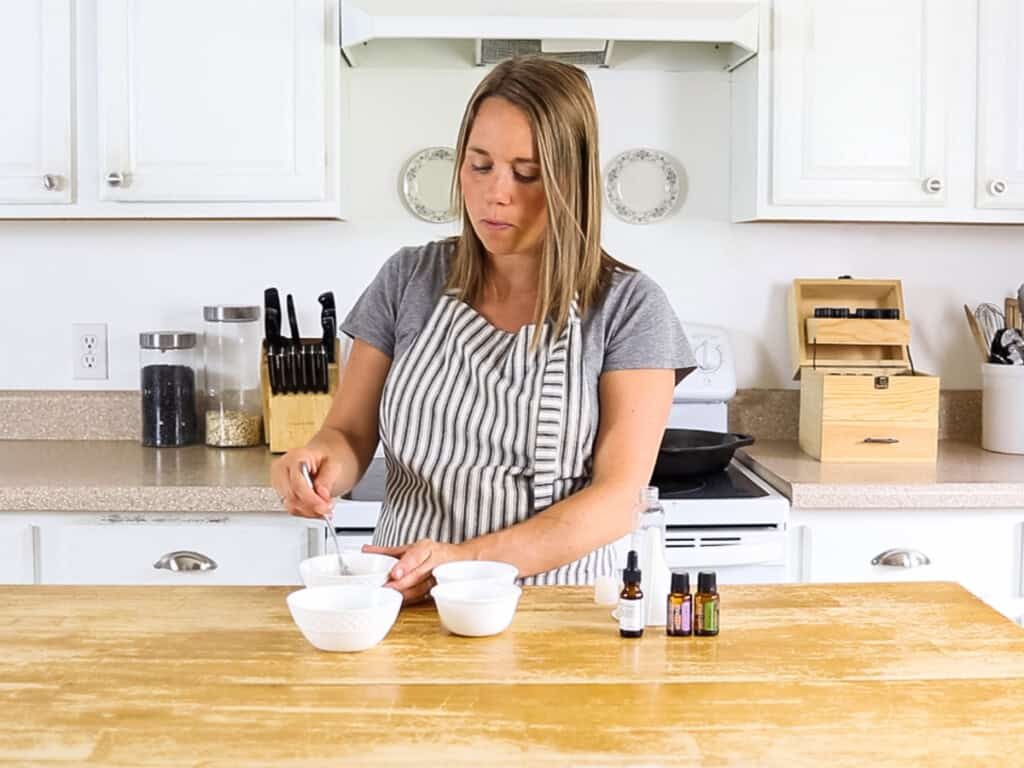

Step 1: Mix the coconut milk and castile soap together in a small bowl.
Step 2: In a separate bowl, stir together the olive oil and honey. Make sure it is well combined.
Step 3: Add the oil and honey to the coconut milk and castile soap. Stir well.
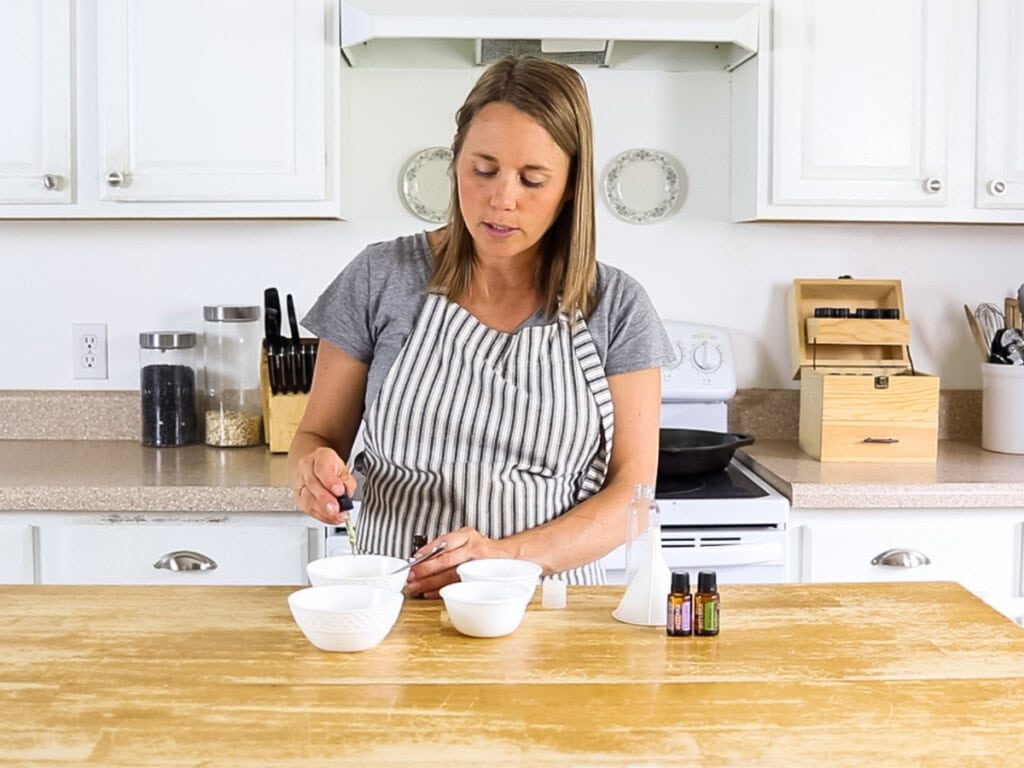

Step 4: Drop in vitamin E oil and essential oils. Stir well.
Step 5: If using a preservative, add it now and stir thoroughly to ensure it’s fully incorporated into the mixture.
Step 6: Store in an airtight container. If it doesn’t have the preservative, it will need to be stored in the fridge.
How to Use Natural Shampoo
However, after your hair gets used to using a more natural option, you will notice you can wash your hair less. It is recommended to wash your hair only a couple of times a week. Overwashing hair can strip it of its natural oils and cause it to dry out. Natural shampoo can be used just like regular shampoo.
While switching to natural shampoo, your hair may need time to adjust. If your hair looks greasy, dry, or tangled after using it, don’t be alarmed. It can take up to one month to make the transition to natural shampoo.
Using dry shampoo, like our homemade cornstarch dry shampoo, during the transition can help.
Tips
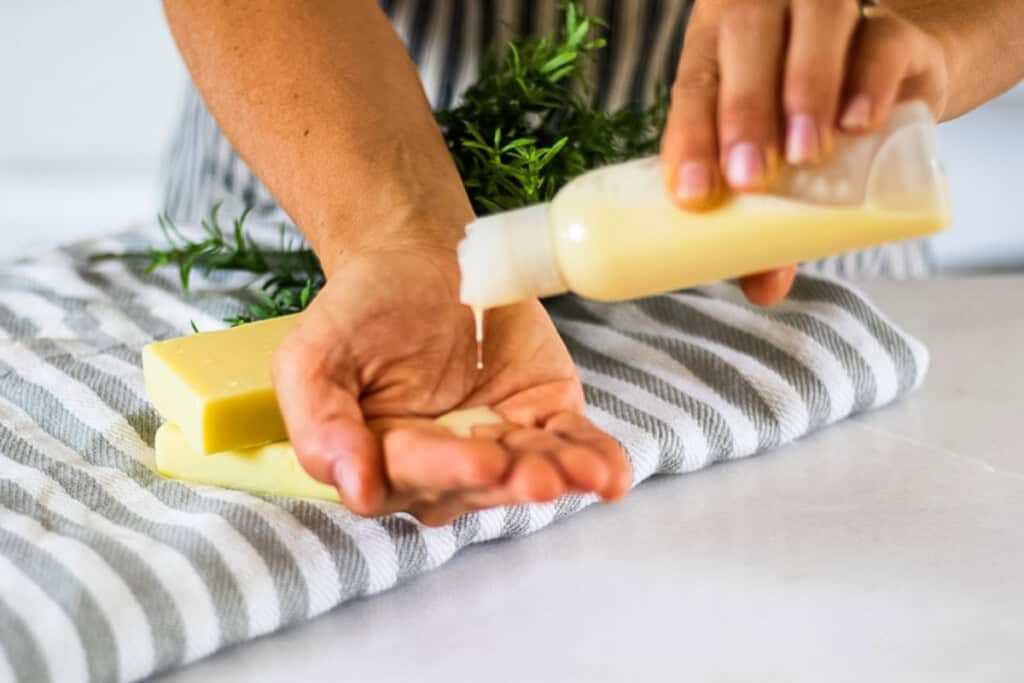
- If you have thick, long hair, castile soap may leave your hair tangled. It is best to follow up with a natural homemade conditioner after using this shampoo. Or you can rinse your hair with an apple cider vinegar hair rinse after rinsing out the shampoo.
- This shampoo will last about a week in the fridge. Discard any extra after that time, as it may have spoiled. You can add a broad-spectrum preservative to extend this time.
- If you are using a preservative, be sure to follow the instructions on the bottle and dilute it properly.
More on the Ingredients
If you want more information on why we chose each ingredient, we'll go into the specifics below.
Castile Soap
Castile soap, together with coconut milk, is the base of this homemade shampoo. We buy castile soap in bulk in our house because we use it for so many of our DIYs. Thankfully, it is very concentrated, so a bottle lasts a long time.
It is strong enough to cleanse the hair and scalp, but still very gentle. It can be drying to your hair on its own, which is why we’ll be adding a few other ingredients to make homemade shampoo. Castile soap is often found in natural shampoos and is becoming very popular in the natural hair care world.
Coconut Milk
Coconut milk has essential nutrients that can promote hair growth and even strengthen the hair. It is high in lauric acid, protein, and vitamins C, E, and B, keeping your hair strong and moisturized. We use it in our homemade protein hair masks for these same reasons!
When pure castile soap and coconut milk are mixed together, they make the shampoo lather and cause it to bubble. This will give you the same sudsy feeling as store-bought shampoo without the synthetics.
The best coconut milk to use for your hair is canned coconut milk that is full-fat and unsweetened. Coconut milk found in the refrigerator section often contains lots of extra ingredients that you won’t want in your hair.
Olive Oil
If you prefer something else, the olive oil in this recipe can be replaced with any carrier oil. Olive oil moisturizes your hair and can reduce scalp irritation and flakes. It’s an easily available and affordable oil for your DIY recipes.
If you have really oily hair, you can omit the carrier oil altogether and add lemon essential oil for its grease-cutting abilities.
Honey
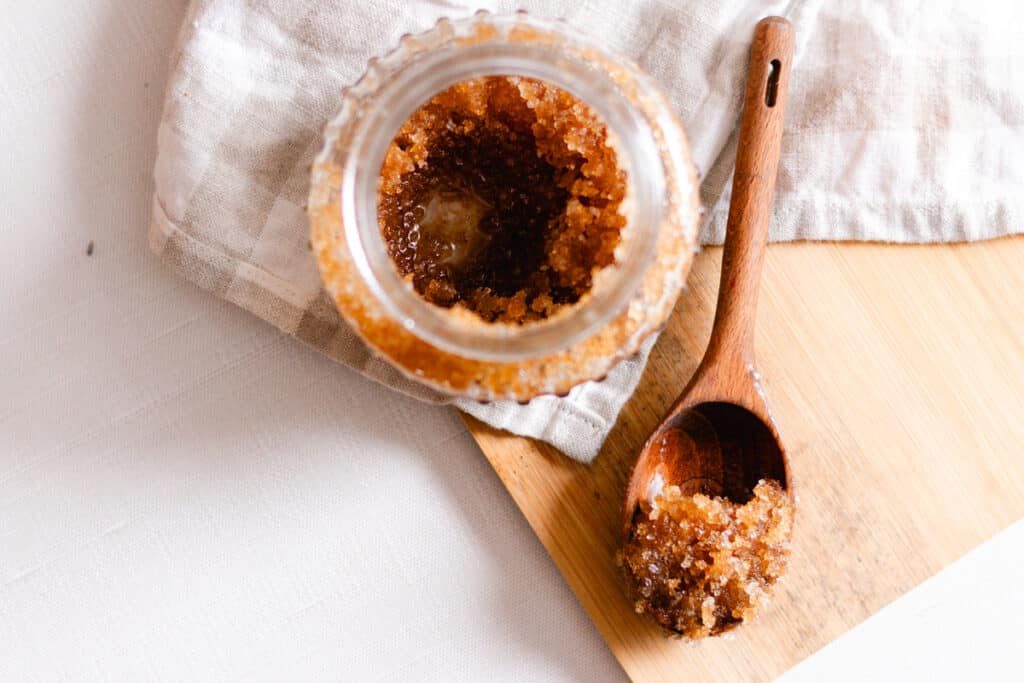
Honey can be used to protect hair, seal moisture into the hair, strengthen hair follicles, and prevent further damage.
If you have damaged hair from coloring or heat, a honey hair mask might be for you! Adding honey to this shampoo makes it work particularly well for dry, damaged hair that is prone to breakage or split ends.
Vitamin E Oil
We add vitamin E oil to many of our hair care recipes because it is so good for hair. Because of its antioxidant properties, vitamin E oil protects against free radicals and promotes overall health.
Vitamin E oil can stimulate hair growth, balance oil production, prevent breakage and split ends, and boost your hair’s shine.
Essential Oils for DIY Shampoo
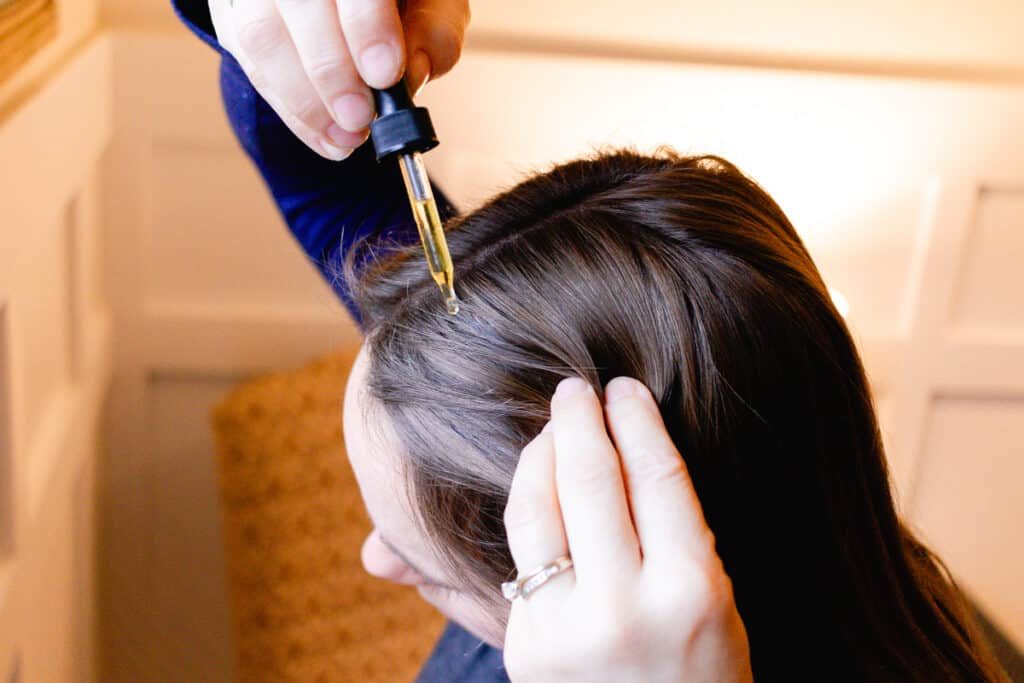
Our two favorite essential oils to use in our hair care routine are rosemary and lavender. They have so many great benefits for your hair, and they smell amazing together.
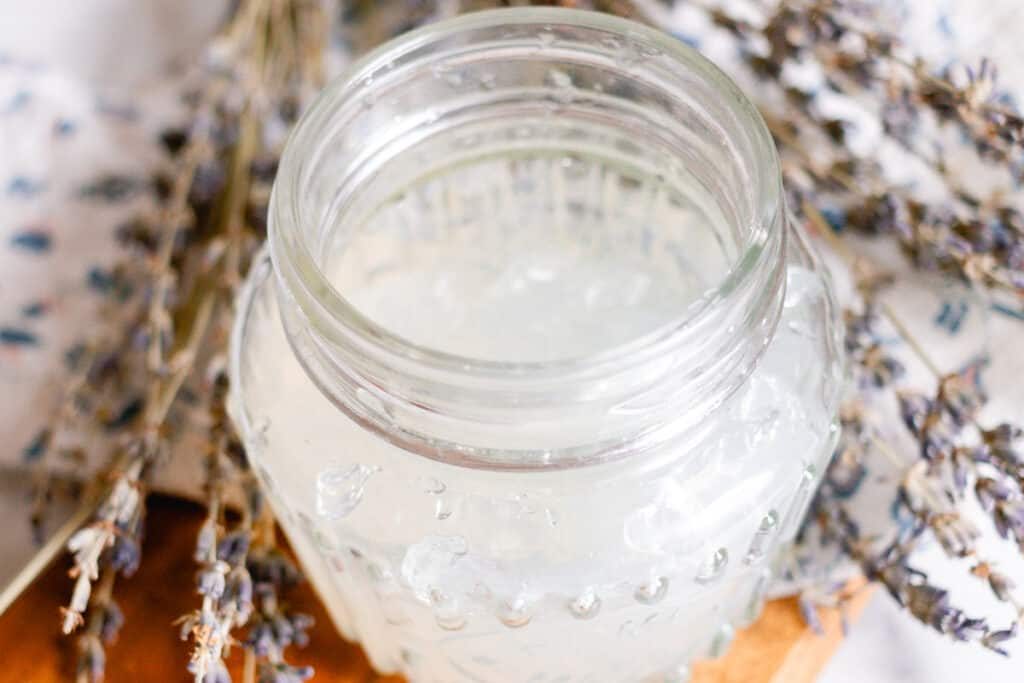
Studies have shown that lavender produces more hair follicles to help thicken and strengthen hair. Lavender has a beautiful floral smell that can promote calmness and reduce stress (which may further help with hair loss).
Rosemary essential oil is a top oil for hair growth and thickness. It helps to promote circulation and soothe an itchy scalp. We use rosemary in so many hair growth recipes, such as homemade rosemary water for hair, because it’s so effective.
You can also use peppermint, tea tree, cedarwood, or lemon essential oils. Read more about essential oils for hair growth in our recipe for hair growth spray.
Recipe FAQs
How long does coconut milk shampoo last?Discard any extra shampoo that you don’t use after one week to avoid using spoiled product. If you want it to last longer, you can add a broad-spectrum preservative to the shampoo. Since this recipe is made with coconut milk, it is best stored in the fridge for one week.
Do you need to condition hair after shampooing?This really depends on your hair type. If your hair feels tangly or dry after shampooing, it may need to be conditioned. You can make a DIY leave-in conditioner or a regular homemade conditioner for dry hair. This should help with tangles, but if you need more help, a homemade hair detangler spray can tackle the tangles.
Do we have to keep this in the fridge?While it is inconvenient to store it in the fridge, it’s so worth it to have a shampoo with completely natural and nourishing ingredients! We found that it didn’t take long to get in the habit of grabbing our shampoo out of the fridge on our way to the shower. Yes, if it doesn’t have a preservative, the shelf life of coconut milk shampoo is not very long at room temperature.
More Natural Hair Care Recipes
- DIY Hair Clarifier Shampoo
- Homemade Shampoo Bars
- DIY Conditioner Bars
- Nourishing Hair Serum Recipe
- DIY Heat Protective Spray
- DIY Green Tea Hair Rinse
If you tried this Homemade Rosemary Shampoo or any other tutorial on our website, please leave a 🌟 star rating and let me know how it went in the 📝 comments below. Thanks for visiting!
4.93 from 78 votesHomemade Rosemary Shampoo
By the studio Ascher Prep: 10 minutes minsTotal: 10 minutes mins Yield: 4 oz SaveSaved Pin Print Made with natural ingredients, this hydrating shampoo recipe is perfect for nearly any hair type.
 Equipment
- 6 oz squeeze bottle – old shampoo bottles work great!
Ingredients
- ¼ cup coconut milk
- ¼ cup castile soap, We use Dr. Bronner’s unscented.
- ½ teaspoon olive oil
- ½ teaspoon honey
- 10 drops vitamin E oil
- 10 drops rosemary essential oil
- 5 drops lavender essential oil
- Broad sprectrum preservative, optional
Instructions
- Mix the coconut milk and castile soap together in a small bowl.
- In a separate bowl, stir together the olive oil and honey. Make sure it is well combined.
- Add the oil and honey to the coconut milk and castile soap. Stir well.
- Add the vitamin E oil and essential oils, then stir well.
- If using a preservative, add it now and stir thoroughly to ensure it's fully incorporated into the mixture.
Notes
- For best results, store your homemade shampoo in an airtight container in the refrigerator. It is good for one week without a preservative.
- If you are using a preservative, be sure to follow the instructions on the bottle and dilute it properly.
- If you have thick, long hair, castile soap may leave your hair tangled. It is best to follow up with a natural homemade conditioner after using this shampoo. Or you can rinse your hair with an apple cider vinegar hair rinse after rinsing out the shampoo.
- Be sure to see the video tutorial in the post above for visual reference!