
Hi Everyone!
Defy the Norm: Embracing Oversized Furniture & Decor in Small Spaces
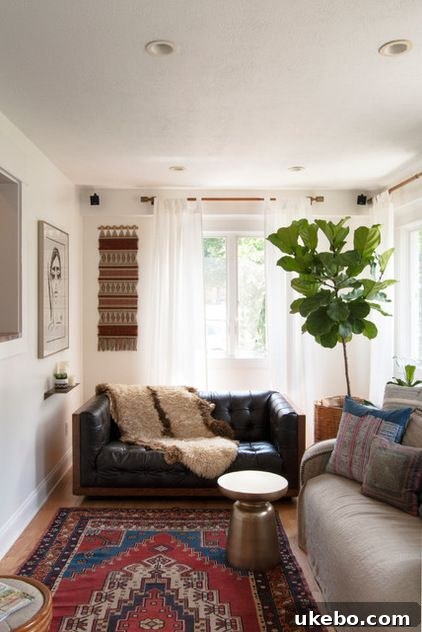
When it comes to designing and decorating small spaces, conventional wisdom often dictates a simple rule: use small furniture. It’s an understandable instinct, born from the desire to avoid clutter and make a compact area feel larger. However, I’m here to challenge that notion and present a compelling argument for embracing the unexpected: going big with your furniture and decor. Just as we’ve explored the power of dark colors and channeling your inner maximalist in limited footprints, today we’re diving into another design “no-no” that might just be your small space’s biggest asset: oversized and large-scale pieces.
Breaking the “Small for Small” Myth: The Dollhouse Effect
The prevailing idea is that a small space demands small items. Logically, filling a compact room with miniature chairs, slender tables, and petite accessories should create an illusion of greater space, right? Unfortunately, more often than not, this approach backfires spectacularly. Instead of an expansive feel, you end up with what I affectionately call the “dollhouse effect.”
Imagine a room filled with countless small objects. Your eye jumps from one piece to another, unable to settle, making the space feel busy, cluttered, and ultimately, even smaller than it is. Each tiny item adds visual noise, breaking up the flow and creating a sense of overwhelming detail. The scale feels off, as if the furniture belongs to miniature residents, not to you. Unless you’re living in a literal dollhouse (and let’s face it, most of us aren’t Barbie or Ken), this approach often leaves a room feeling ungrounded, restless, and surprisingly cramped.
The Unexpected Power of Going Big: Why Oversized Works
So, if small pieces make a small space feel smaller, what’s the alternative? The answer, counter-intuitive as it may seem, is to think big. Introducing a few carefully chosen oversized pieces can profoundly transform a compact area, lending it a sense of grandeur, sophistication, and most importantly, an illusion of more generous proportions. Here’s why this bold design choice is not only acceptable but often preferred:
1. Anchoring and Grounding the Space
A substantial piece of furniture, like a large sofa or a grand area rug, acts as an anchor for the entire room. It grounds the space, giving it a solid foundation and preventing it from feeling flimsy or disjointed. This immediate sense of stability creates a powerful visual statement, making the room feel more purposeful and thoughtfully designed. A large rug, for instance, can unite various elements, pulling them together into a cohesive whole, rather than letting individual small pieces float aimlessly.
2. Creating Intentional Focal Points
In a small space, it’s easy for everything to blend into a visual mess. An oversized piece instantly commands attention, establishing a clear focal point. Whether it’s a generously proportioned piece of art, a dramatic floor lamp, or a plush, expansive armchair, this singular focus draws the eye and provides a sense of direction within the room. This focus helps to eliminate visual clutter and guides the observer’s gaze, rather than allowing it to wander over many disparate small items.
3. The Illusion of Expansiveness
This is perhaps the most surprising benefit. While it seems contradictory, fewer, larger pieces can make a room feel more expansive than many small ones. When you have multiple small items, each piece demands attention, segmenting the space visually. A single, large sofa, for example, occupies a similar footprint to several smaller chairs but presents a cleaner, more continuous line. This reduction in visual breaks allows the eye to sweep across the room more freely, creating a perception of greater breadth and openness. The blank space around the large pieces becomes more significant, giving the room a sense of breathability.
4. Defining Zones with Ease
In open-plan layouts or studio apartments, large pieces are invaluable for defining distinct functional zones without the need for walls. A large L-shaped sectional can clearly delineate a living area from a dining or work zone. A substantial bookcase can serve as a soft room divider, providing both storage and a visual separation. These pieces work harder, multitasking as functional items and spatial organizers, creating order and flow in otherwise ambiguous areas.
5. Adding Sophistication and Personality
Large-scale items often possess an inherent elegance and presence that smaller pieces simply can’t match. A grand mirror, an oversized pendant light, or a statement headboard can elevate a small room from functional to fabulous. These bold choices inject personality and a sense of curated design, making the space feel more intentional, unique, and luxurious. It demonstrates a confidence in design, a willingness to break free from timid choices.
6. Enhanced Comfort and Functionality
Beyond aesthetics, oversized furniture often offers superior comfort and functionality. A deep, comfortable sofa provides ample seating for guests or a luxurious spot for lounging. A large dining table, even in a small dining area, can create a more inviting and practical space for meals and gatherings than a tiny bistro set. Prioritizing comfort and utility in your key pieces enhances the livability of your small space.
Practical Tips for Implementing Large-Scale Design
Ready to embrace the big? Here are a few considerations to ensure your oversized choices truly shine in your compact environment:
- Measure, Measure, Measure: Before buying, measure your space meticulously, including doorways and hallways. Use painter’s tape on the floor to visualize the footprint of larger pieces.
- Choose Multi-Functional Pieces: A large ottoman with storage, a spacious daybed that doubles as a sofa, or a substantial console table that can serve as a desk. Maximize utility.
- Balance with Negative Space: Don’t cram too many large items. Allow breathing room around your statement pieces to prevent the room from feeling heavy.
- Consider Verticality: Pair a large sofa with tall, slim bookshelves or floor-to-ceiling curtains to draw the eye upwards, enhancing the sense of height in the room.
- Strategic Placement: Place larger items against walls or in corners to maintain clear pathways and optimize traffic flow. Avoid placing large pieces where they block natural light or key sightlines.
- Color and Texture: While a large piece makes a statement, its color and texture can influence its perceived weight. Lighter colors can make a large sofa feel less imposing, while rich textures can add depth without overwhelming the space.
What do you think? Are you ready to challenge the conventional wisdom and let your small space stretch its design muscles with some truly grand pieces? You’d be surprised how much larger a space can feel by choosing a single, impactful piece instead of reaching for something small and understated. It’s about designing with confidence and creating a home that feels uniquely yours, regardless of its footprint.
via Style Me Pretty
via BuzzFeed
via Domaine Home
via Maison Grace
via Houzz
Until next time….
Xo-Shavonda