
Hello fellow garden enthusiasts!
Today marks an incredibly exciting milestone that has been four years in the making. I am absolutely thrilled to finally break ground on building my dream kitchen garden, and I can’t wait to share every step of this journey with all of you. This post is just the beginning of what will be a monthly series, meticulously documenting the progress and process of creating our kitchen garden over the next year. Starting in January feels like the perfect, fresh beginning for such an ambitious and rewarding project.
For those of you who have followed my journey for a while, you’ll recall my long-standing desire to cultivate a substantial garden, a dream that began even before we moved into our current home. In fact, when we decided to downsize and began our search for a new house, a non-negotiable requirement was a large lot that could accommodate a dedicated kitchen garden space. We were incredibly fortunate to find such a property, and ever since receiving the keys to thecottagebungalow, I’ve been meticulously plotting and envisioning this dream space.
Last spring, I excitedly shared my initial plans for the garden. However, a whirlwind summer and autumn, filled with extensive travel and significant indoor renovation projects, meant that my garden plans had to be temporarily put on hold. Now, with a clearer calendar for the next couple of months, the timing is absolutely ideal to roll up my sleeves and finally get started on bringing this vision to life.
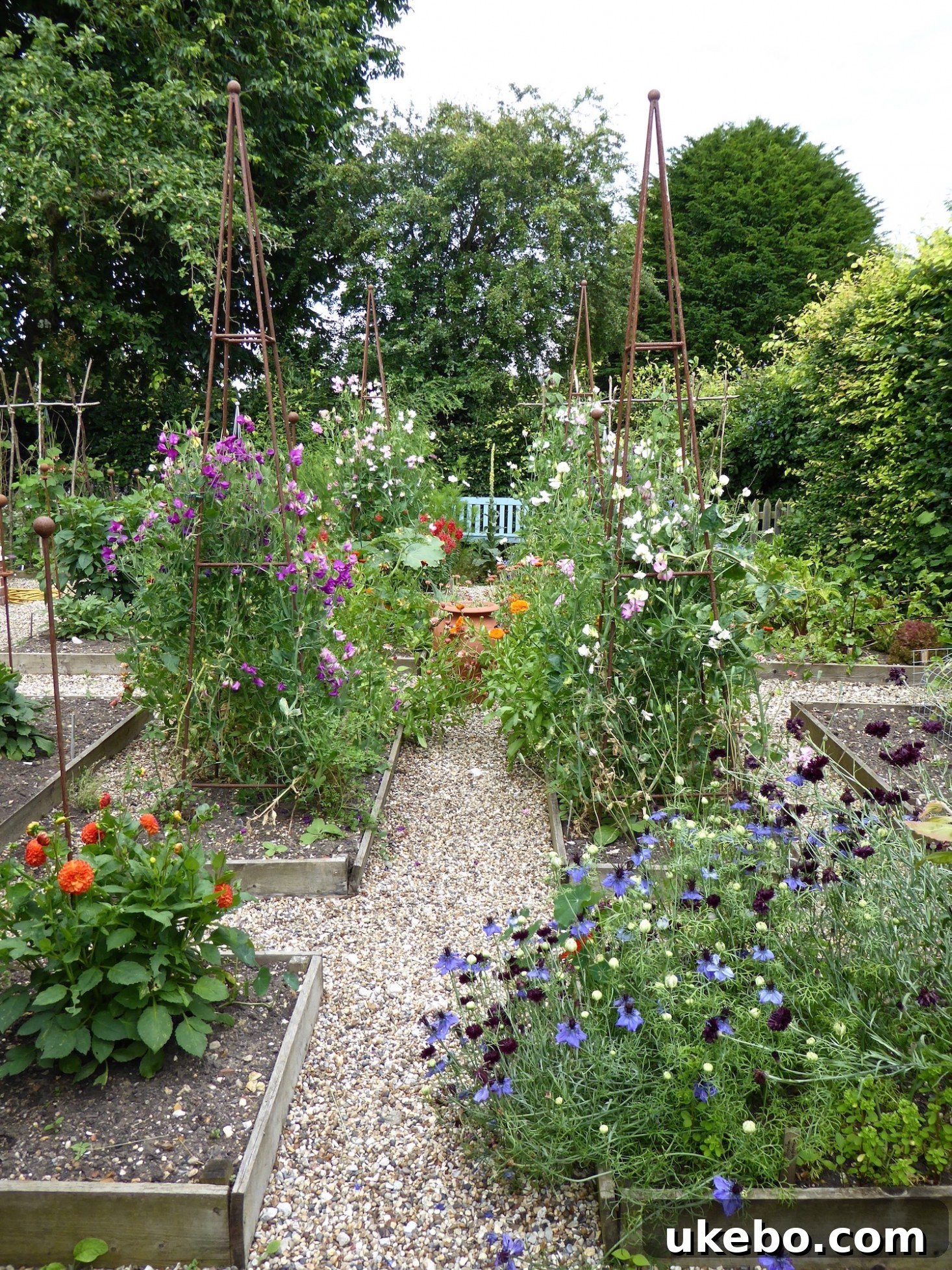
Initially, my garden vision leaned towards a bohemian Mediterranean Moroccan-inspired aesthetic. But after much contemplation, research, and refinement, I’ve decided to pivot towards a design that better reflects my evolving taste and the practical needs of our family. My new preference is a harmonious blend of a traditional French potager and a charming English cottage kitchen garden. This means moving away from a more arid, Mediterranean dessert feel and embracing a lush, carefree, and bountiful cottage style. This blend promises both beauty and functionality, creating a space that is as productive as it is picturesque, truly embodying the spirit of a sustainable, aesthetic kitchen garden.
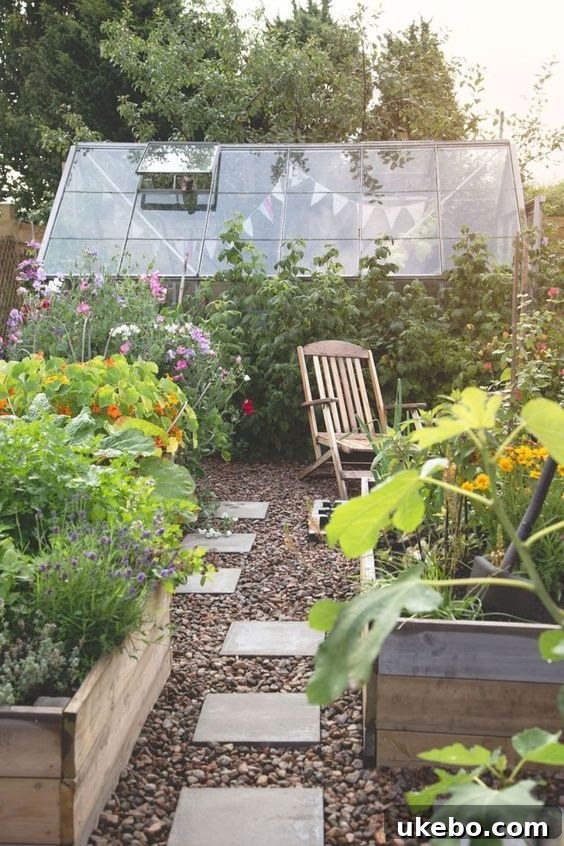
(original source unknown)
The past month has been dedicated to intensive planning for the first crucial phase of the garden’s construction. I’ve even created a dedicated garden binder and journal, filled with sketches, plant lists, and soil test results! Winter, with its rainy season, offers the perfect opportunity to focus on the intricate details of how I want and need this space to perform and function optimally. Any seasoned gardener knows that a garden truly hits its magical prime after several years, but the cornerstone of that future success lies in meticulous planning and a solid foundation laid right from the very beginning. This year, my primary focus will be on establishing the essential infrastructure elements. There will be less emphasis on immediate aesthetics and more on getting the core components in place. This means tackling vital tasks such as comprehensive soil testing, constructing the robust garden beds, planting the foundational fruit trees, and installing the much-anticipated greenhouse. I’ll delve into the detailed design plan, layout specifics, and more in the next post, but for now, let’s explore the ‘meat and potatoes’ of the different elements I envision for our functional and beautiful kitchen garden:
Food Production: The Heart of the Kitchen Garden
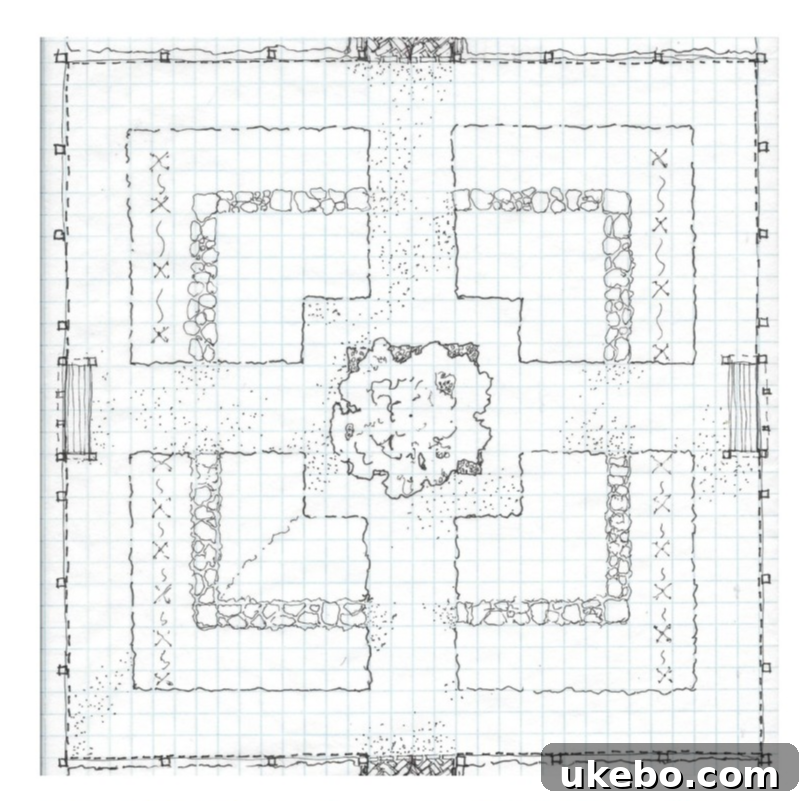
The primary and overarching goal of this project is to produce an abundance of fresh, organic food for our family and to share with our wonderful neighbors. To achieve this, I’ll be constructing four large, central L-shaped garden beds. These beds are specifically designed for growing the majority of our seasonal produce, ensuring a steady supply of fresh vegetables throughout the year. Beyond these dedicated vegetable beds, I also plan to artfully integrate various fruits and vegetables within the flower borders, maximizing every inch of available space. After carefully assessing our lot, this layout proved to be the most efficient use of space, allowing me to cultivate everything I desire while keeping the garden manageable, especially since I’ll be the primary caretaker. This thoughtful approach to design ensures that our kitchen garden will be a powerhouse of homegrown goodness, contributing significantly to our journey towards greater self-sufficiency and sustainable living. We’ll explore techniques like crop rotation and companion planting to maximize yields and maintain soil health.
via
Flowers: Embracing the English Cottage Aesthetic
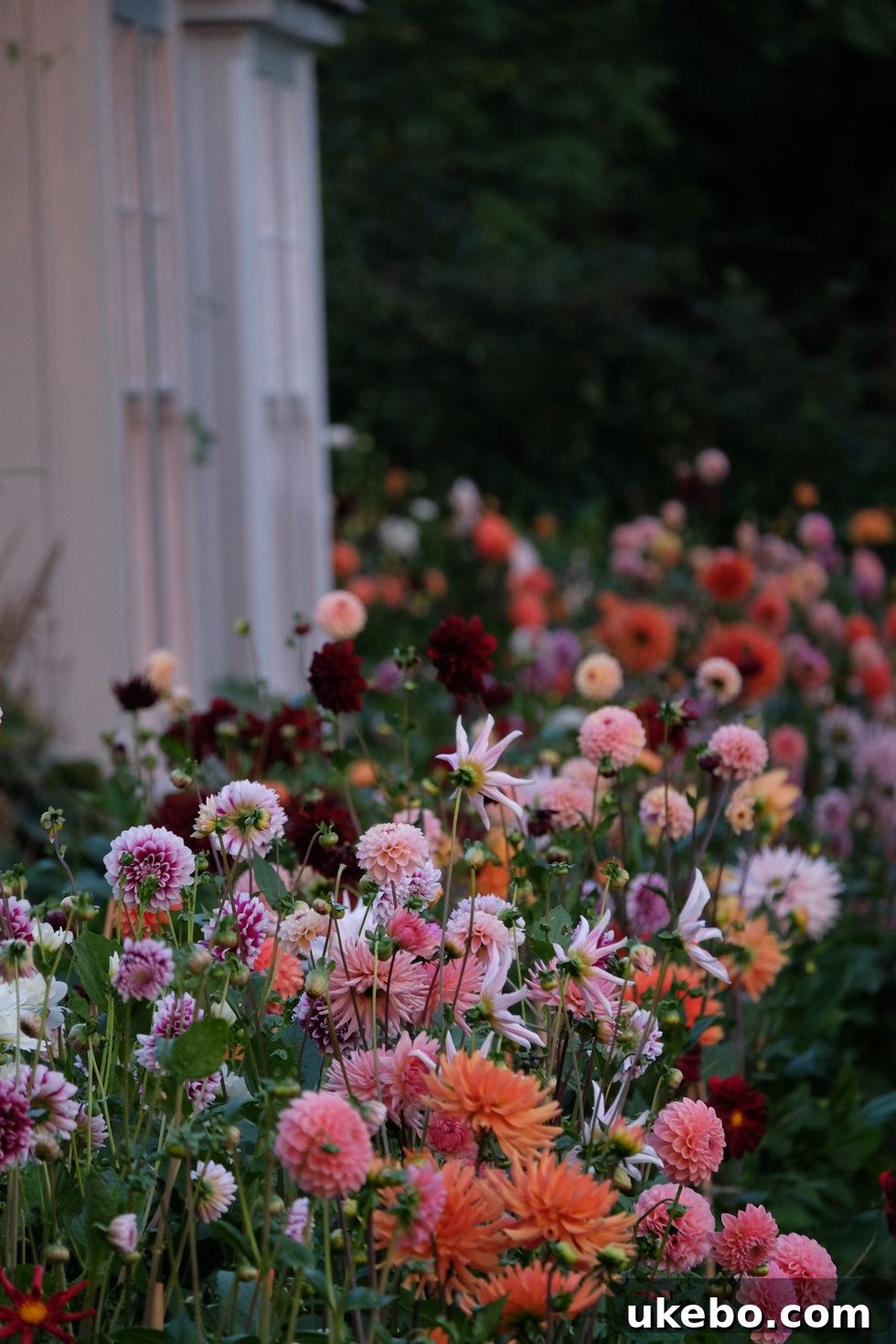
This is where the delightful English Cottage garden vibes truly come into play. While providing ample food is paramount, I also want our garden to be a vibrant tapestry of beauty and fragrance. Fresh flowers are an absolute weakness of mine, and they currently represent one of my cherished weekly indulgences. I love my regular trips to Trader Joe’s and our local farmers’ markets to stock up on fresh blooms for our home. My dream is to replace those market runs with a simple, quick walk through my own garden, where I can snip a bountiful bouquet of stems whenever I desire. With this in mind, a dedicated cut flower element will be a high priority in the design. I plan to plant a rich variety of annuals and perennials, creating a stunning border along the fence and garage. These flowers will not only provide endless cutting material but also attract beneficial pollinators. Furthermore, I envision integrating some flowers directly within the vegetable beds, fostering a healthy ecosystem, and training climbing and vining flowers up trellises and over our entry arbor. The traditional English herbaceous border is also a huge source of inspiration for me, and I aim to incorporate scaled-down versions, bringing their timeless elegance to our personalized potager garden.
A Greenhouse: A Gardener’s Sanctuary
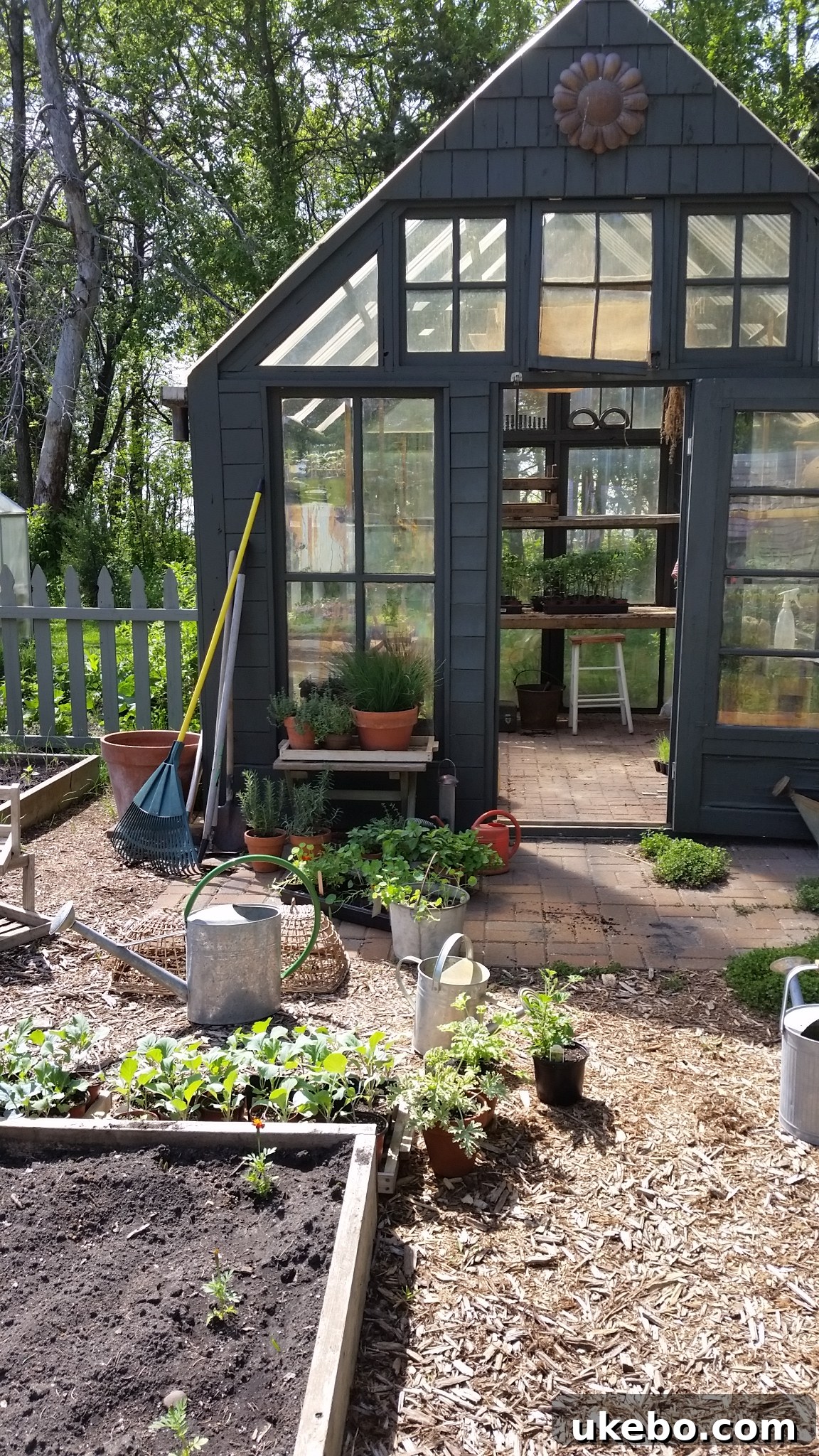
Does every garden truly *need* a greenhouse? Perhaps not strictly, but for me, it’s an absolute must-have! My vision isn’t for anything overly large or elaborate; rather, a simple, basic hobby greenhouse will serve my needs perfectly for now. This modest structure will be invaluable for starting countless seedlings, providing a head start on the growing season and ensuring healthy, robust young plants. It will also offer a sheltered space where I can perhaps cultivate a tropical plant or two that wouldn’t survive our winters, create a dedicated planting station for potting and propagation, and neatly store various garden bits and bobs, keeping them organized and protected from the elements. While my ultimate ‘forever home’ dream includes a magnificent traditional glass and brick conservatory-style greenhouse, for the current phase of our garden development, a much more modest and functional structure will absolutely suffice and be a game-changer for my gardening endeavors. It’s an investment in extending our growing season and nurturing delicate plants.
via
Chickens: Feathered Friends and Fresh Eggs
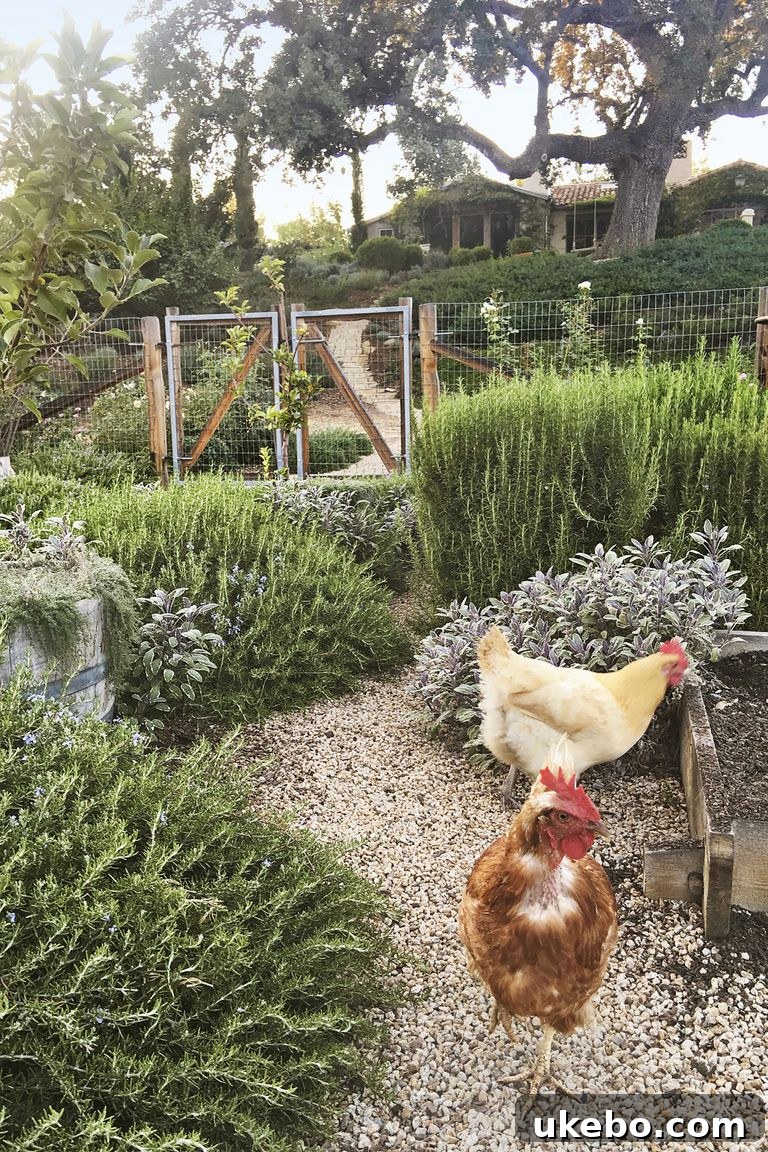
Admittedly, this particular element makes me a tad nervous, but we are genuinely excited about welcoming a small flock of hens to our garden. After careful consideration and research, we’ve decided that four hens strike the perfect balance: a manageable number in terms of maintenance and care, yet ample enough to provide our family with a generous supply of fresh, organic eggs. My son, in particular, is incredibly enthusiastic about the prospect of having chickens and has already begun plotting how he will lovingly care for them. We’ve even collaboratively come up with charming names for our future feathered companions! Beyond their delicious eggs, these backyard chickens will also contribute to the garden’s ecosystem by helping with pest control and providing rich fertilizer for our beds, making them a valuable and sustainable addition to our kitchen garden, embodying the principles of a mini-permaculture system.
via
Compost Area: Nurturing Our Soil Sustainably
A thriving garden relies on healthy soil, and a robust composting system is fundamental to achieving this. I plan to integrate a dedicated compost area into our garden design, featuring both traditional hot composting for larger organic waste and a vermicomposting system. The hot compost pile will efficiently break down garden clippings, kitchen scraps, and other organic matter into nutrient-rich humus, essential for amending our garden beds and reducing waste. Vermicomposting, using earthworms, will provide an even finer, highly concentrated form of fertilizer known as “worm castings,” perfect for enriching seedlings and special plants. This dual approach to composting underscores our commitment to sustainable gardening practices, minimizing our environmental footprint while continuously improving the fertility and structure of our soil, ensuring a bountiful harvest year after year.
Entry Arbor: Creating an Enchanting Welcome
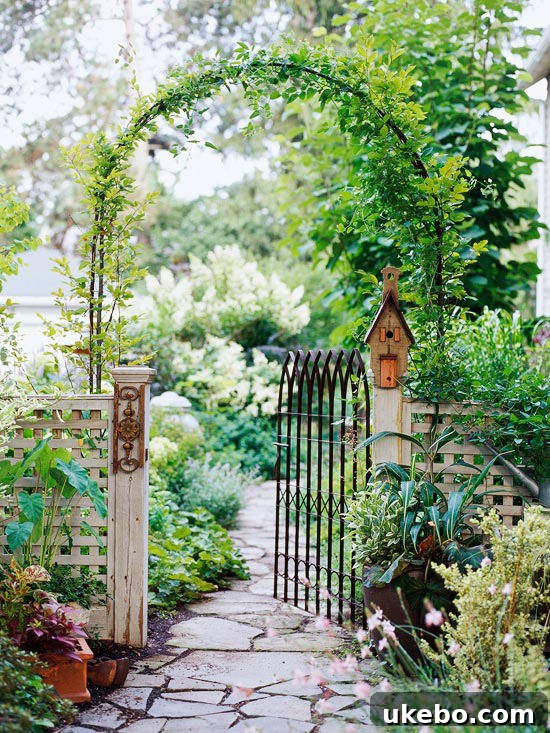
My vision for this kitchen garden extends far beyond merely plopping vegetables in the middle of the yard. Just as I approach interior design with intentionality, I want this outdoor space to feel like a carefully crafted “room outside,” inviting and cohesive. What better way to achieve this sense of enchantment and transition than with a beautiful arbor marking the entrance? I can already picture it vividly: a graceful structure adorned with lush, climbing flowers, guiding visitors into our verdant sanctuary. This garden entrance will not only provide a stunning focal point but also create a clear sense of arrival, transforming a simple patch of earth into a destination, a truly immersive experience that celebrates the beauty and bounty of nature. It’s about creating a journey into the garden, making it a truly special place.
via
A Focal Point: Artistic and Productive Herb Fountain
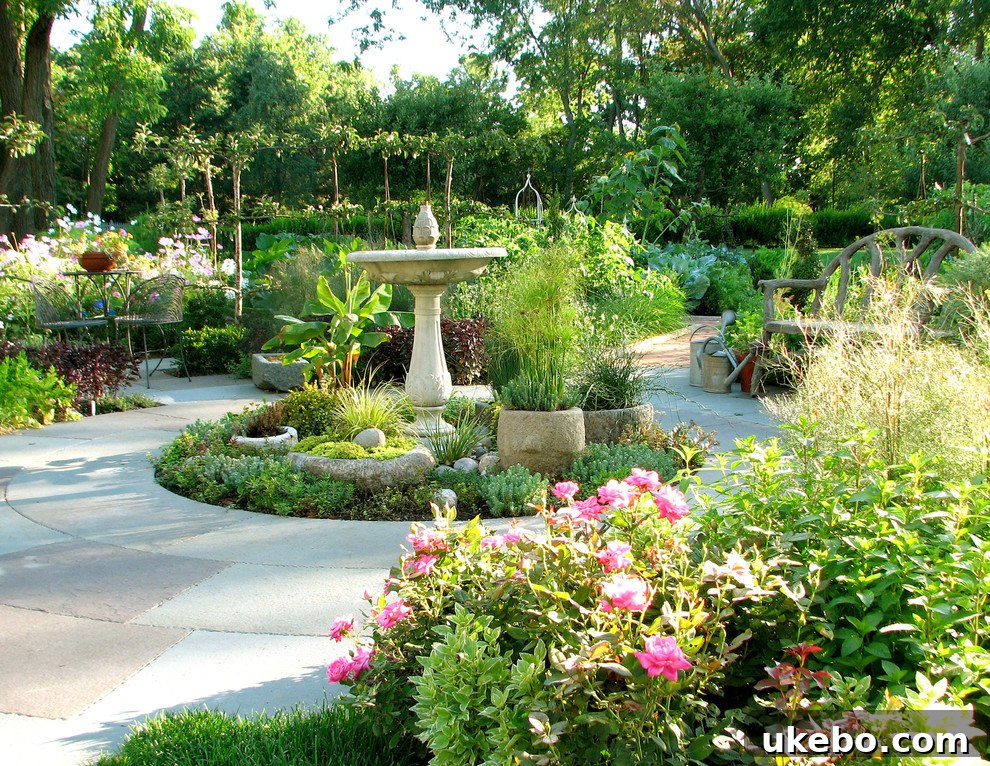
A hallmark of traditional French potager gardens is the inclusion of a central focal point, something that draws the eye and anchors the space. This can be anything from a stately tree or an elegant fountain to a charming bench, and I absolutely plan to incorporate one into our garden. I deliberated extensively over the ideal choice, wanting something that was both artistically beautiful and functionally productive. My chosen solution: an herb garden cleverly integrated into a fountain. I envision the uppermost tier of the fountain gently cascading water, creating a welcoming hydration source for local bees and birds, thus supporting our garden’s delicate ecosystem. The lower levels, brimming with vibrant life, will be planted with an array of seasonal herbs such as fragrant sage, robust oregano, delicate thyme, aromatic basil, invigorating mint, and more. While I’ve admired upcycled fountains used for succulents, our garden’s central location tends to be quite sunny and warm, making it a less ideal environment for succulents to thrive. Herbs, however, will flourish in these conditions, offering both beauty and an endless supply of fresh flavors for our kitchen. This unique focal point combines aesthetics with utility, a perfect reflection of the potager philosophy.
via
Recycled Materials: Infusing Character and Sustainability
One of the most endearing qualities of English cottage gardens, in my opinion, is their delightful embrace of recycled and repurposed materials. This approach not only champions sustainability but also imbues the garden with a unique sense of history, whimsy, and personality. From charming pathways crafted from old bricks to upcycled furniture ingeniously transformed into planters, these elements add incredible character to the overall design. Over the years, I’ve been diligently collecting various found materials, including vintage bricks, discarded wine glasses, and other interesting objects, patiently waiting for the perfect opportunity to incorporate them. I’m excited to discover creative ways to weave these treasures into the fabric of our kitchen garden, telling a story with every repurposed piece and adding an authentic, lived-in feel that is so characteristic of a beloved cottage garden. This eco-friendly design choice reduces waste and adds unique charm.
Vertical & Horizontal Gardening: Maximizing Every Inch
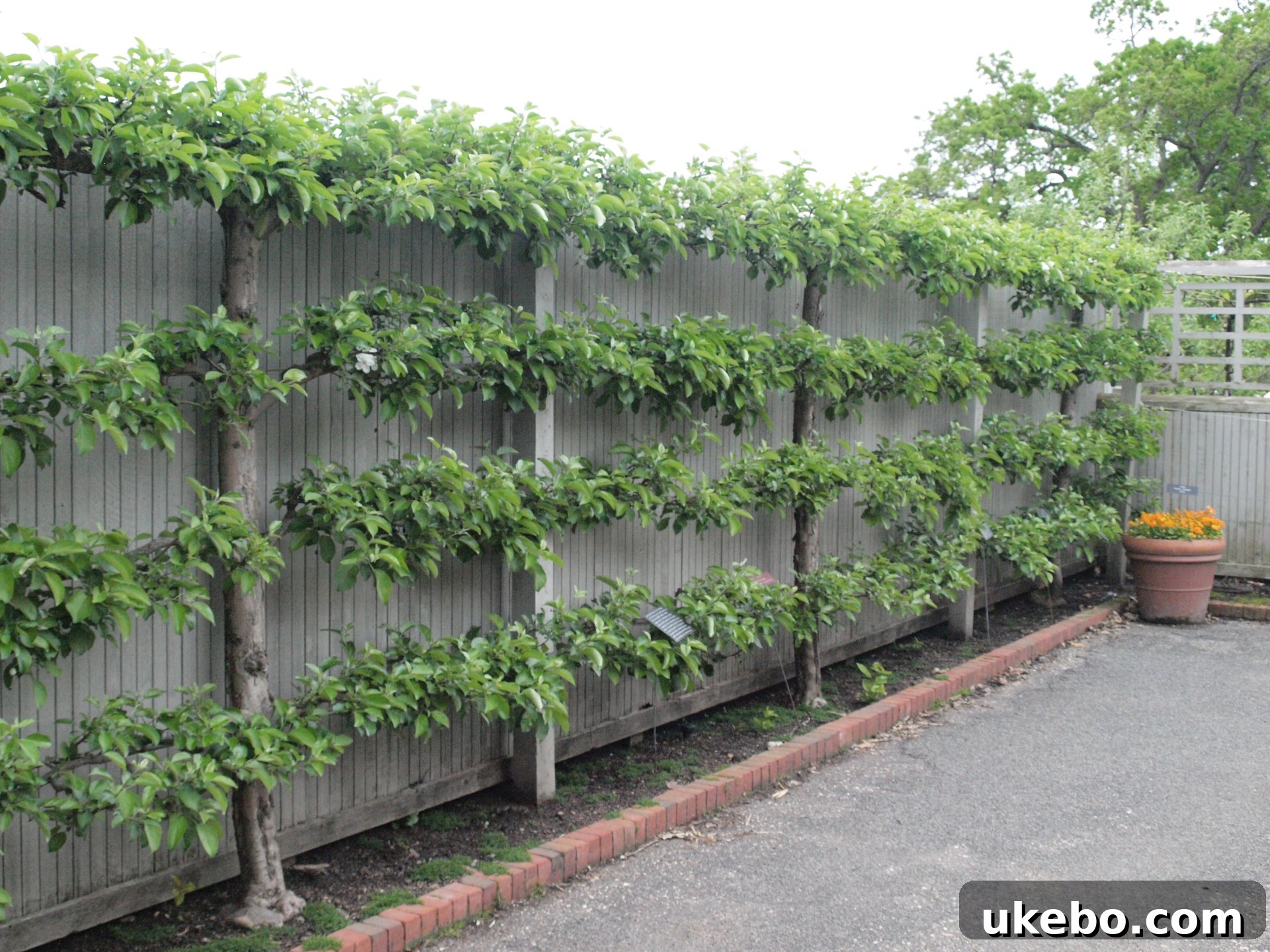
While we are fortunate to have a decent amount of ground space, I am committed to maximizing our planting opportunities through both vertical and horizontal gardening techniques. Our fences and garage walls present excellent canvases for expanding our cultivable area. This includes training espalier fruit trees along the fence line, a beautiful and space-saving method for growing apples, pears, or other fruits. Additionally, I plan to utilize gutters or shallow boxes mounted horizontally along the fence for growing herbs, lettuces, or cascading flowers. Vertical gardening solutions will also feature hanging planters and perhaps even a living wall, allowing us to squeeze in even more edibles and ornamentals. This innovative approach ensures that every available surface contributes to the garden’s bounty and beauty, making our kitchen garden incredibly productive and visually dynamic, even in what might initially seem like limited spaces. It’s all about smart design and efficient use of resources.
via
Containers: Adding Depth and Versatility
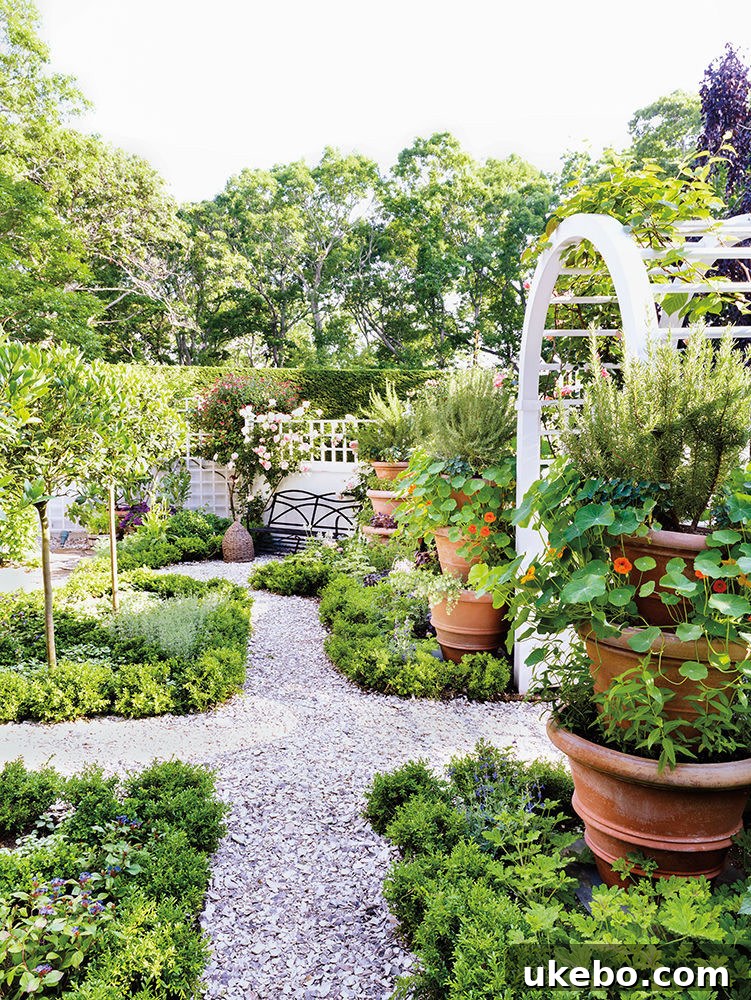
In my garden philosophy, a layered garden is a truly lovely garden. To achieve this rich visual depth and add flexible planting options, I will be incorporating a variety of containers throughout the space. Large, eye-catching pots will provide focal points and allow for seasonal plantings that can be easily changed out. Additionally, repurposed half wine barrels will lend a rustic charm and offer ample space for growing larger plants, such as tomatoes, potatoes, or small shrubs. These containers, strategically sprinkled throughout the garden, break up the horizontal lines of the raised beds, add varying heights, and introduce diverse textures and materials. They also provide versatility, allowing me to move plants as needed to optimize sun exposure or create new vignettes. This approach enhances the overall aesthetic appeal, making the garden feel more established and intentionally designed, much like an outdoor living room. Container gardening is an excellent way to add color and interest.
via
So, there you have it – the initial blueprint for our ambitious kitchen garden project. I fully recognize that this endeavor will demand an immense amount of work, patience, and time to truly develop and mature, but I am absolutely committed to it for the long haul. I am incredibly excited to share with you all not only the physical transformation of this space but also the profound emotional and psychological experience of creating it. This journey holds deep personal significance for me. Ever since my son began taking a genuine interest in the environment and the magic of gardening, I’ve had a profound realization: my own relationship with food and the Earth is a direct result of growing up watching my grandmother tend her garden and prepare the most amazing, nourishing meals from the very produce she grew with her own hands. This connection is incredibly powerful, and I believe that somewhere along the way, much of that vital link has been diminished.
For so many of our parents’ generations, gardening was a natural part of life. Yet, as our culture shifted, much of that direct connection to our food sources was gradually replaced by convenience. I know this certainly rings true for my own family! Both of my parents worked full-time and served in the military, which meant that cultivating a garden on top of their demanding schedules simply wasn’t feasible. The same pattern followed for me for many years. However, once we made the conscious decision to downsize our lives and open ourselves up to more than just the relentless “rat race,” I’ve been eager to reconnect with those formative experiences that imprinted on me as a little girl. This isn’t just for my own fulfillment, but more importantly, it’s about creating a similar, meaningful connection for my son, fostering in him an appreciation for where our food comes from and the incredible satisfaction of growing it ourselves. It’s a legacy I’m passionate about passing on.
I sincerely hope you’ll join me on this exciting adventure, and perhaps even be inspired to embark on some gardening of your own, no matter how big or small. Even if it’s just a modest planter box brimming with fragrant herbs, the journey of connecting with nature and cultivating life is incredibly rewarding. I truly believe that rediscovering this connection is essential for our well-being and for the planet. Stay tuned for more updates, practical tips, and the unfolding story of our dream kitchen garden.
Until next time, my friends, happy gardening!