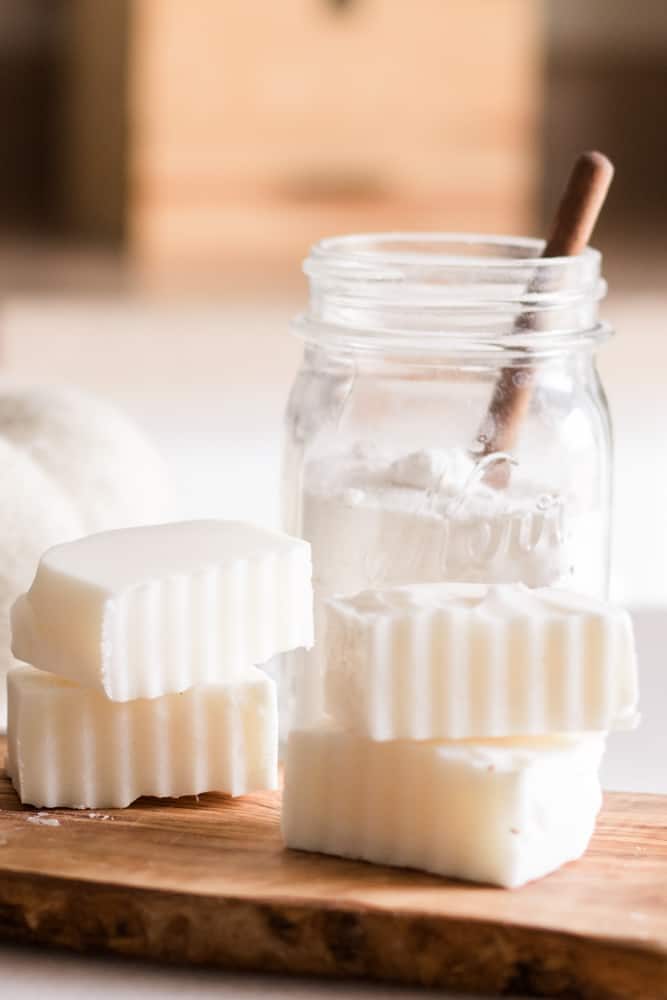
Cold Process: Facial Soap Recipe
Also filed inBath and Beauty
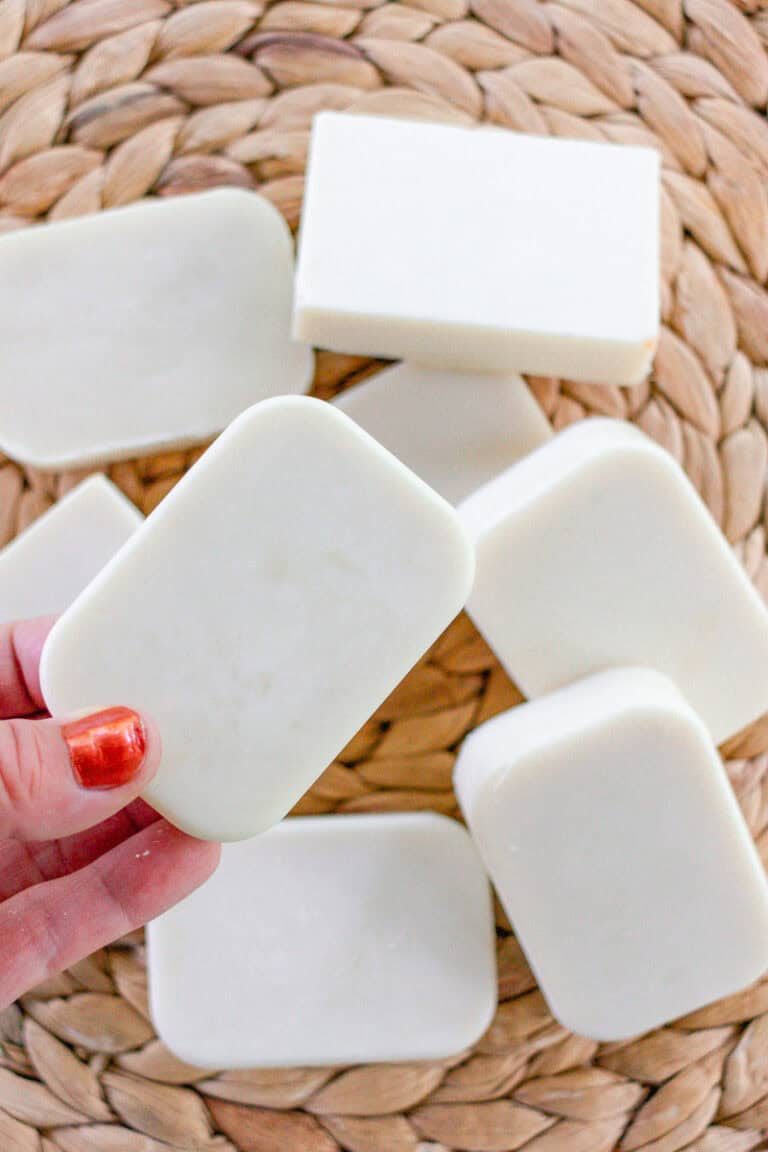
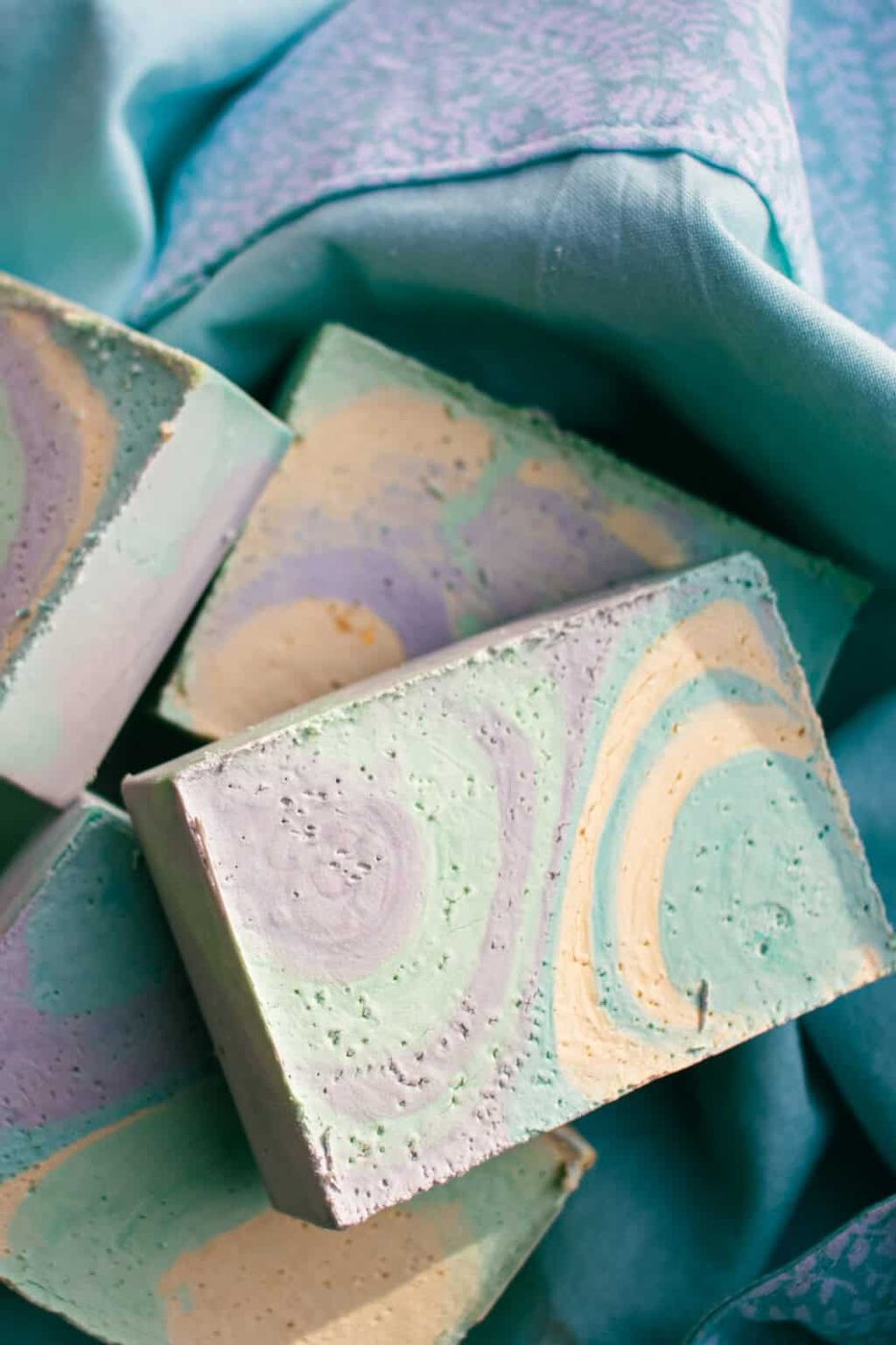
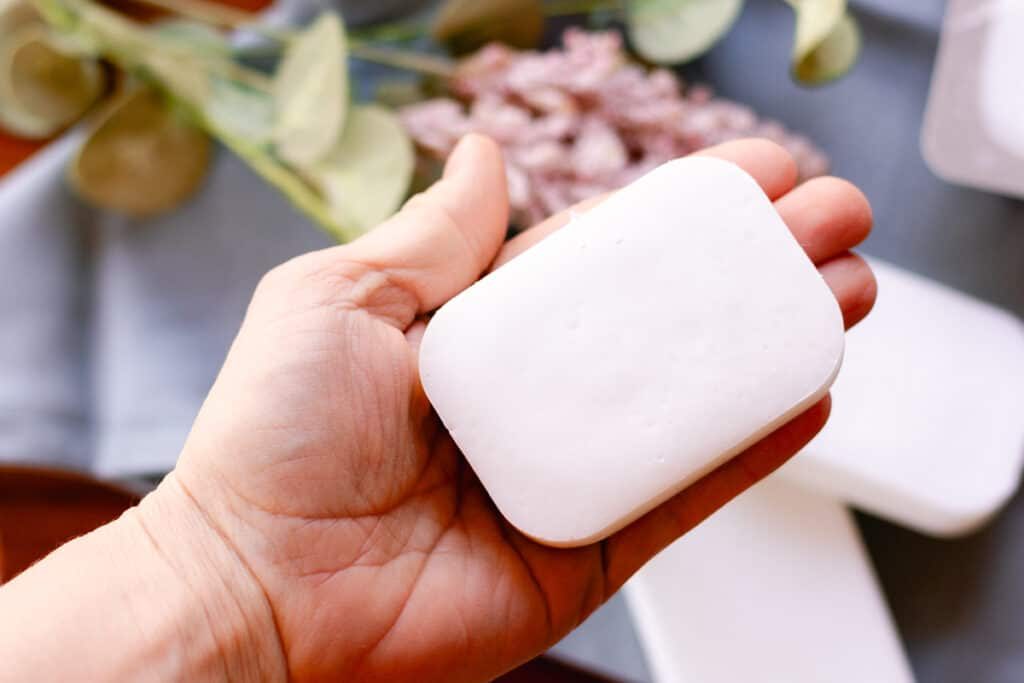
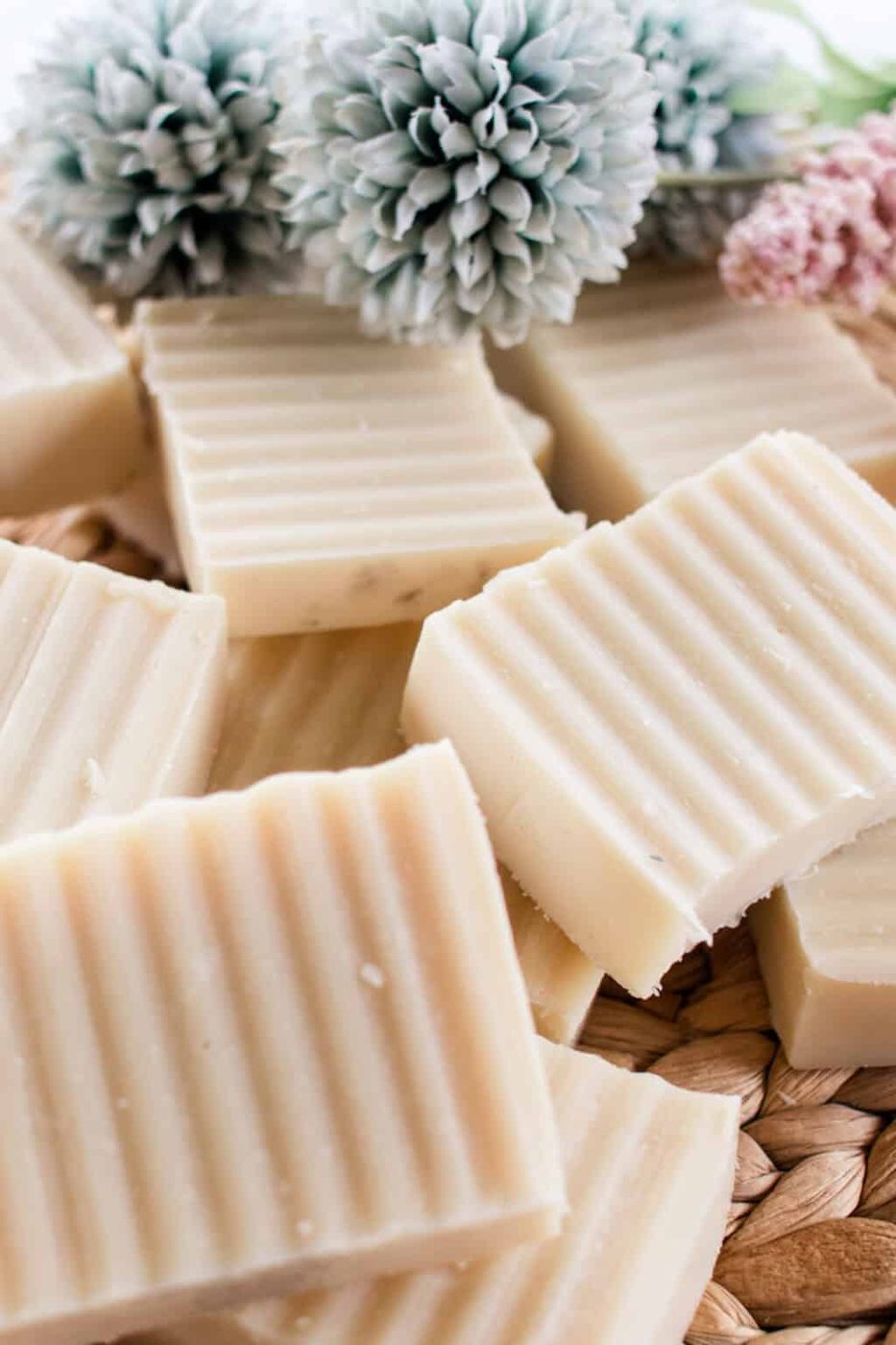
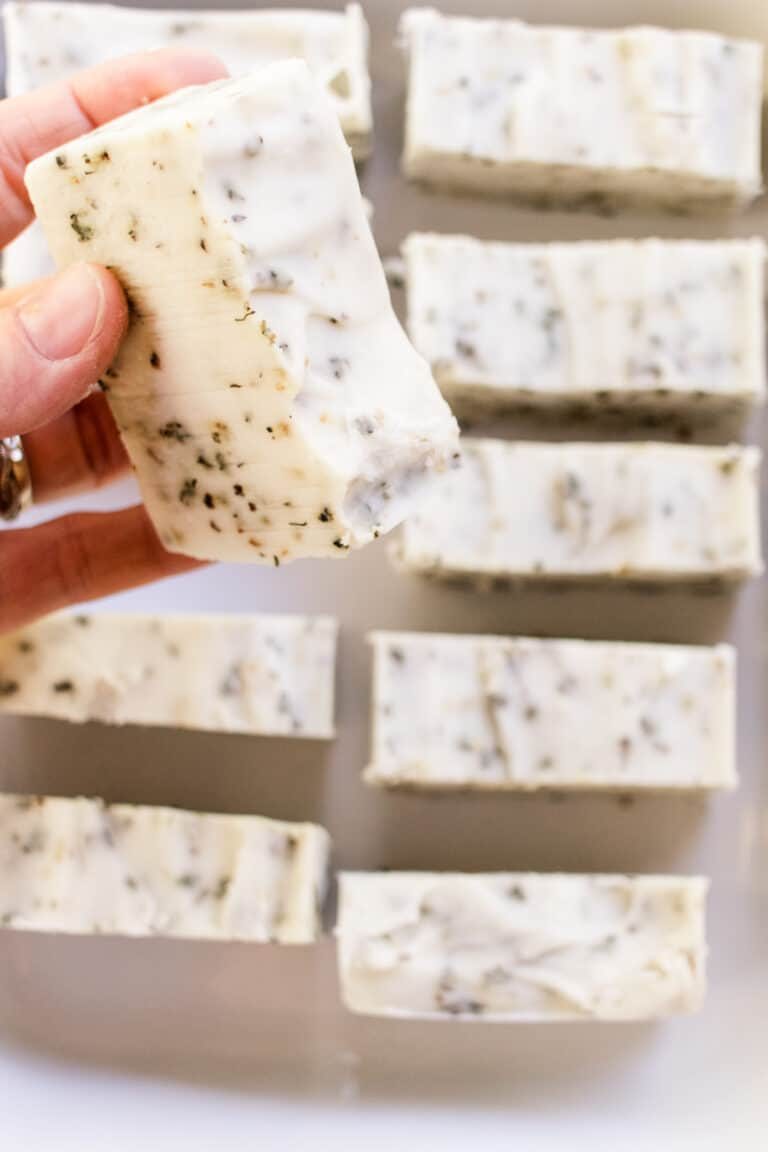
This fragrance-free, nourishing face bar soap is perfect for many skin types, thanks to its gentle cleansing and rejuvenating properties.
Made with bentonite clay for a deep clean and rosehip oil to keep things nourished, it’s perfect for most skin types.
We understand the value of handcrafted goods, but for me, it just wasn’t practical. There’s something truly special about handmade soaps. Finding unique ones at the farmer’s market or local boutiques was always a treat. Unfortunately, the price tags often kept them out of reach.
Plus, there’s the added bonus of reducing unnecessary packaging, which is a win-win in our book. That’s what sparked our interest in making our own soap! Now, we get to control exactly what goes into our bars, from the ingredients to the fragrances.
For those new to soap making, the cold-process method with lye can seem daunting. If you don’t feel comfortable diving right in, we suggest checking out our step-by-step beginner’s soap recipe.
If you’re not quite ready, you can always start with a melt-and-pour soap recipe that doesn’t require lye.
We've created several cold-process soap recipes using many natural ingredients, including our sea salt, lavender, and lemon-scented coconut milk soap. However, we still wanted an unscented soap recipe well-suited for our face.
We wanted to make a face soap bar that was gentle on our skin, would not clog pores, would remove makeup and excess oil, but leave our skin feeling soft and nourished. Quite the list, we know!
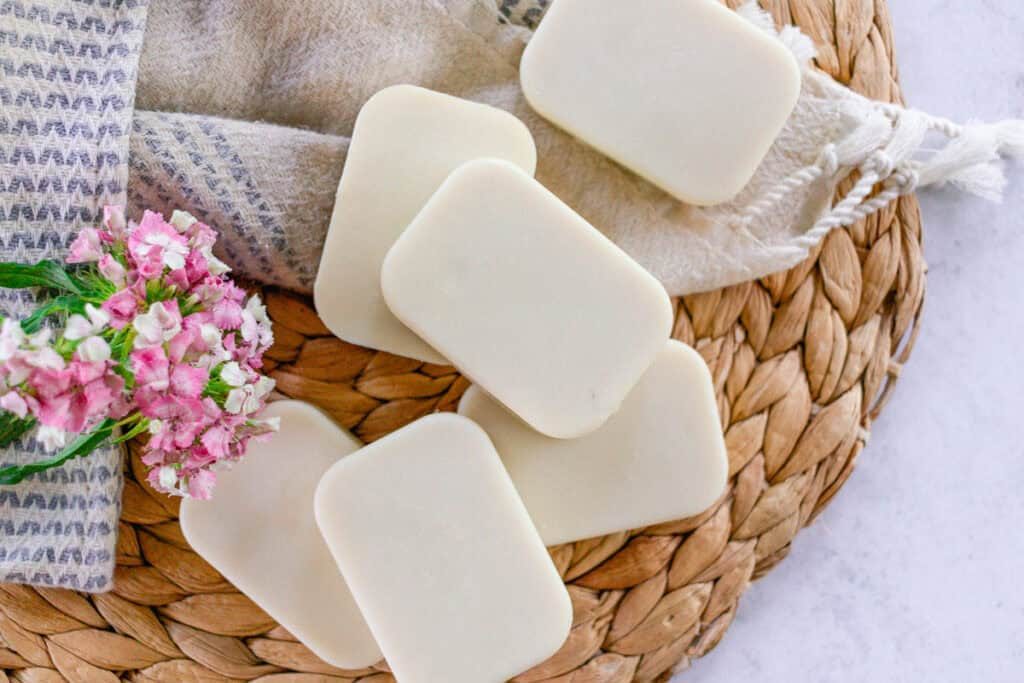
Key Ingredients
Shea butter is a popular ingredient in many of our bath and body recipes. It is great for transforming dry skin into soft and smooth. It also ensures the finished soap is hard but has a great lather.
Sweet almond oil is rich in fatty acids and vitamins A, E, and B2. It is lightweight but an excellent moisturizer and odorless, making it the perfect neutral addition to a facial soap.
Castor oil is one of our favorite ingredients to add to soap bars, especially this facial soap bar recipe. It creates a wonderfully bubbly lather that feels so gentle on our skin.
Argan oil is one of the more luxurious oils in this recipe. It contains antioxidants, vitamins, and fatty acids and is extremely nourishing.
Coconut oil is another common ingredient in many of our soap recipes, and for good reason. It helps create a beautiful, hard bar of soap that also leaves the skin feeling wonderfully moisturized.
Rosehip oil minimizes fine lines and wrinkles and improves the skin’s texture. We love using it in our skincare recipes, and we even have a recipe for makingyour own rosehip oil.
Bentonite Clay is an excellent addition to this recipe because of its ability to draw oils, dirt, and impurities from the skin. As a result, it leaves the face feeling incredibly clean and refreshed.
Equipment:
- Small saucepan or double boiler
- Heat-resistant glass jar or container
- Immersion blender/stick blender
- Soap molds
- Protective gear (gloves, goggles, long-sleeved shirt)
- Digital thermometer
- Digital scale
- Non-reactive stirring utensil
- Vinegar (for neutralizing lye, in case of spills)
Ingredients:
- 10 oz shea butter
- 2 oz almond oil
- 2 oz castor oil
- 1 oz of argan oil
- 1 oz of coconut oil
- 0.25 oz rosehip oil
- 1/2 tsp bentonite clay
- 6.18 oz water
- 2.06 oz lye
Safety note about working with lye:
Before you get started, make sure you are working in a well-ventilated area away from pets and children. Be sure to wear gloves, goggles, long sleeves, and a mask. Homemade soap-making is best done when the kids aren’t around.
Recipe instructions:
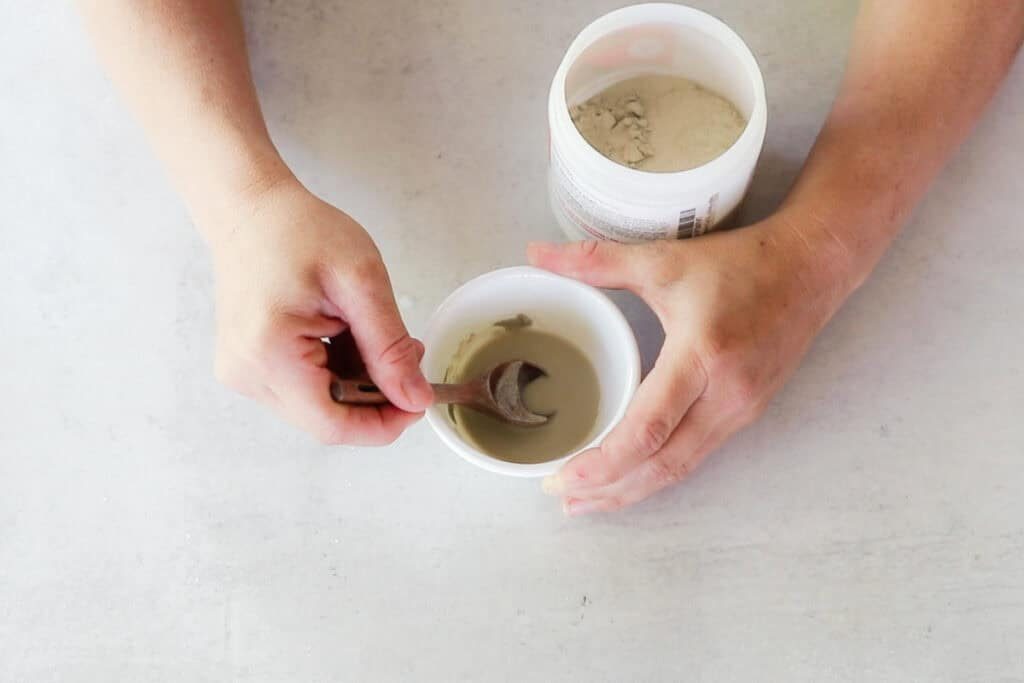
Step 1: Prep bentonite clay by dissolving 1/2 a teaspoon of clay in 1.5 tablespoons of water. Set aside for now.
Step 2: In a heat-resistant container, slowly add the lye to the 6.18 oz of water. Carefully stir until dissolved. Set the lye solution aside in a safe area to cool. Note that the water will rapidly heat up to over 200°F.
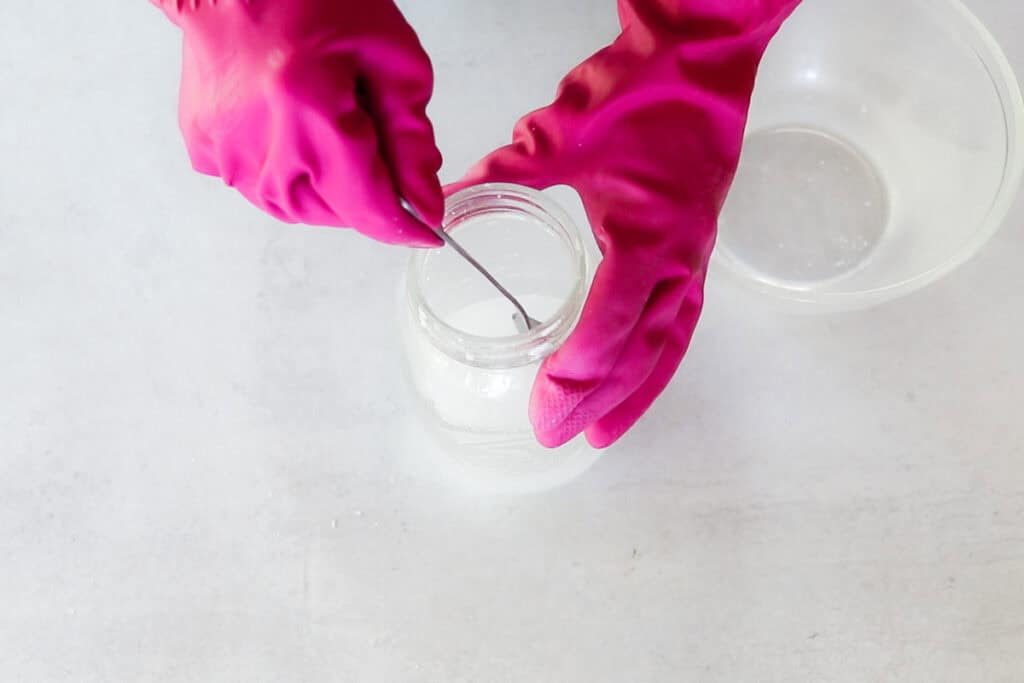
Step 3: Melt the oils and butter in a double boiler. Then, allow them to cool to around 110°F. (Ideally, the lye water mixture will be within 10° of the oil temperature)
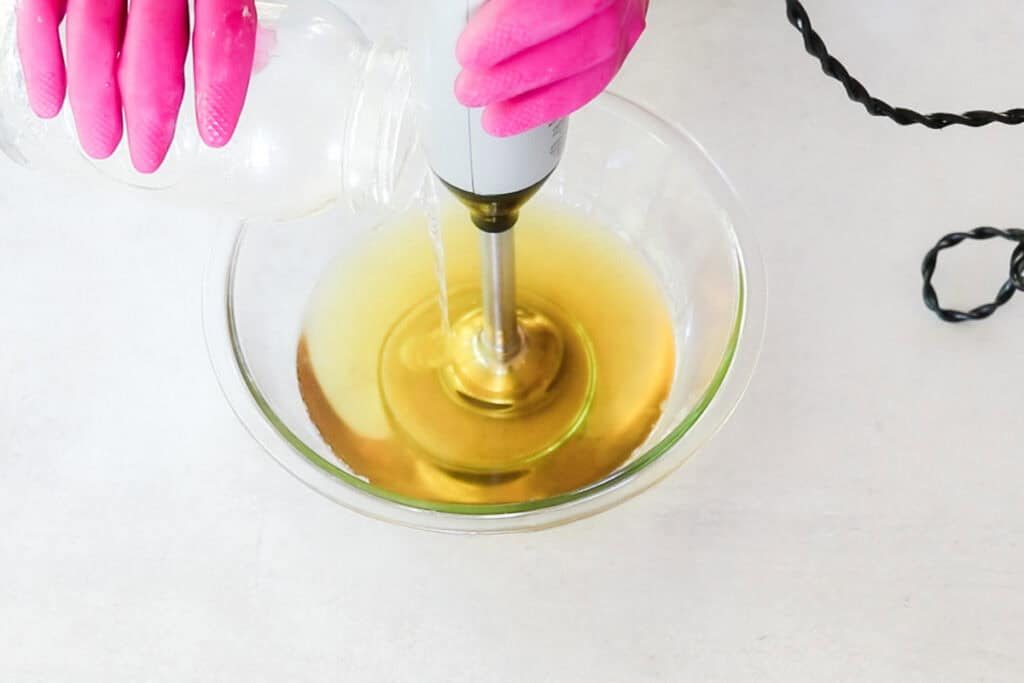
Step 4: Add the lye water to the melted oils and mix with an immersion blender until it comes to a light trace.
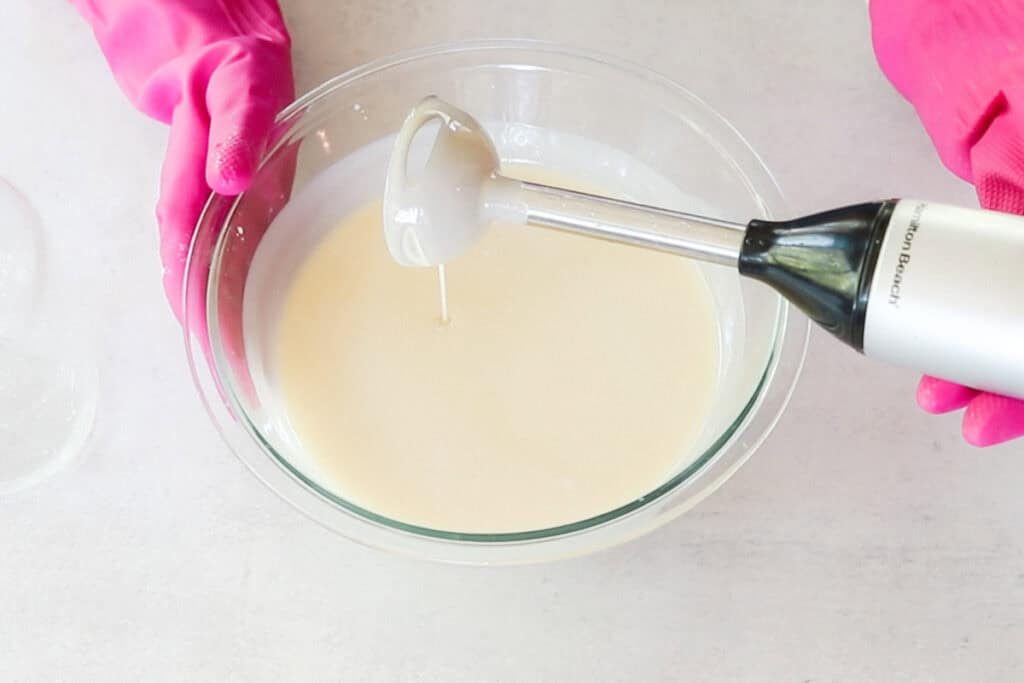
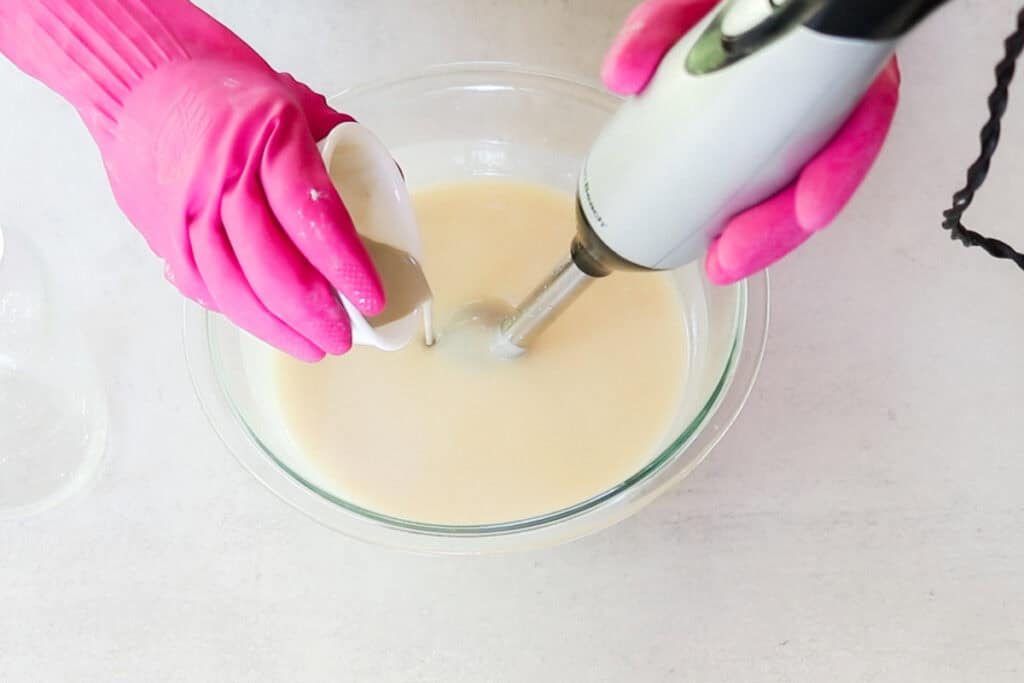
Step 5: Add the bentonite clay mixture and continue mixing until it comes to a medium trace.
Note: We opted for a light/medium trace for this batch. This allows for easier pouring into the molds, but it also means the soap will take a bit longer to harden before unmolding.
Step 6: Transfer to soap molds.
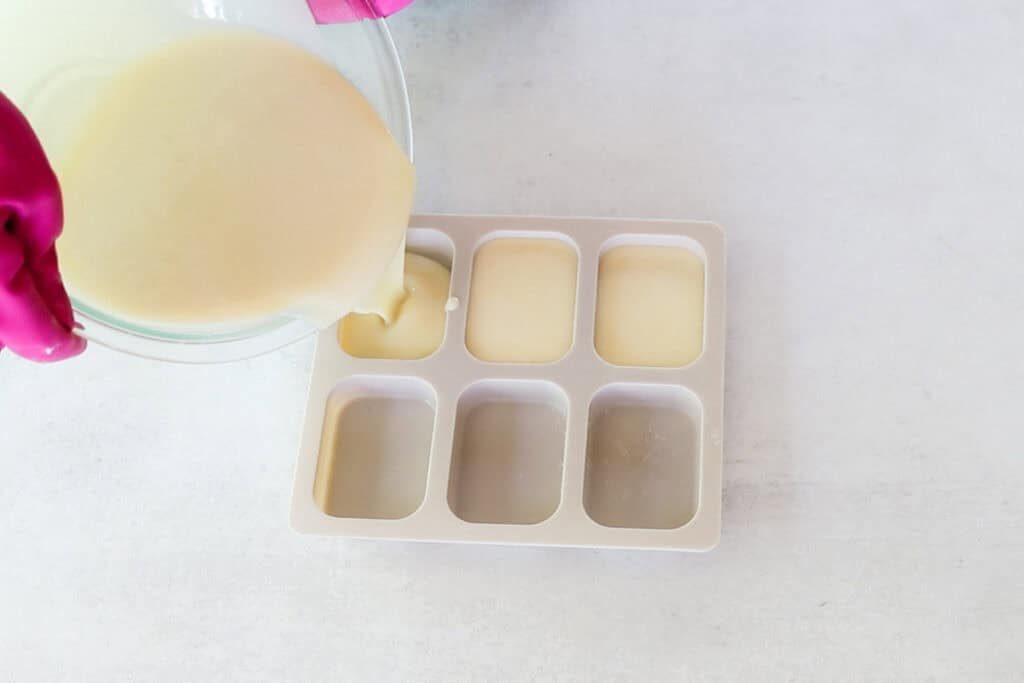
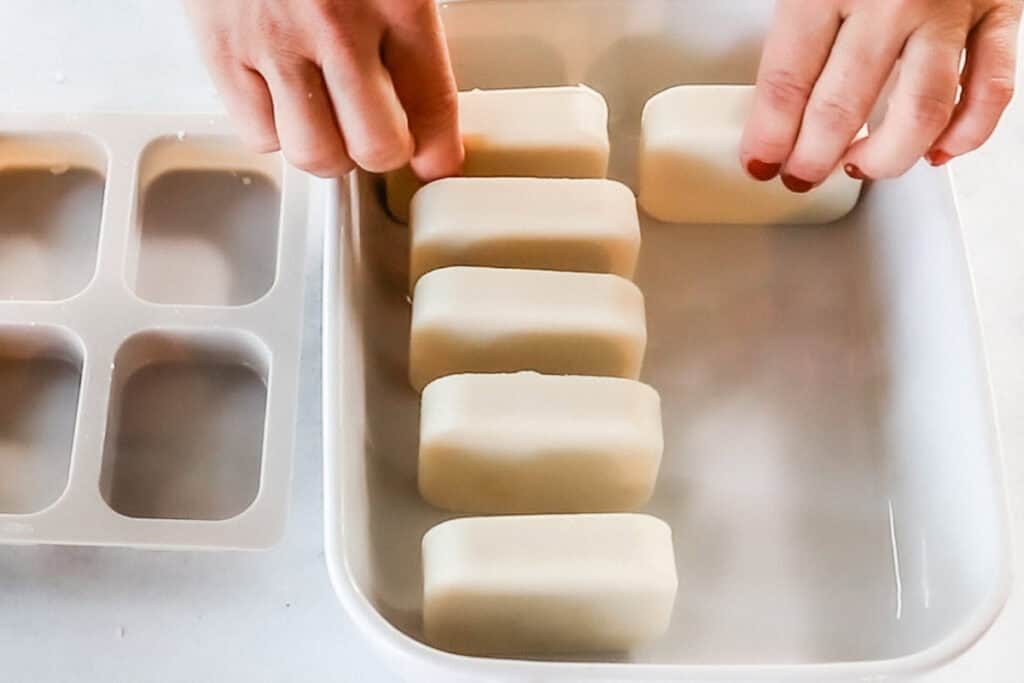
Step 7: Allow the bars to harden for 3 days in the molds. Then, pop them out and lay them on their ends for 6 weeks to cure.
Yield
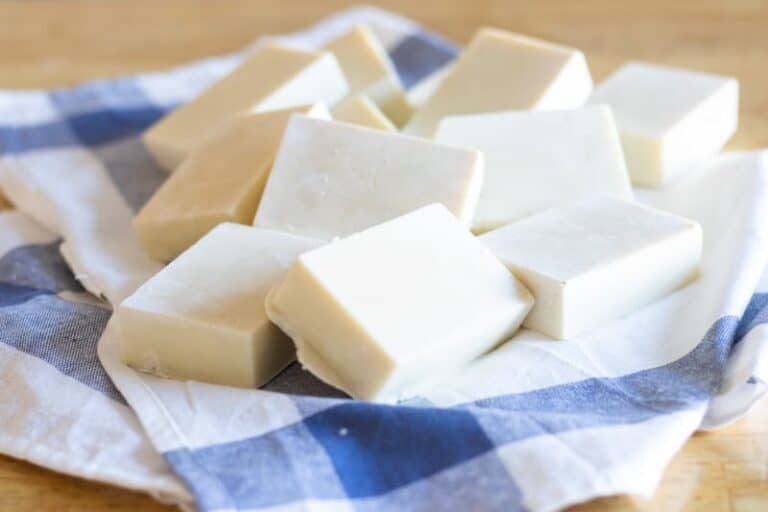
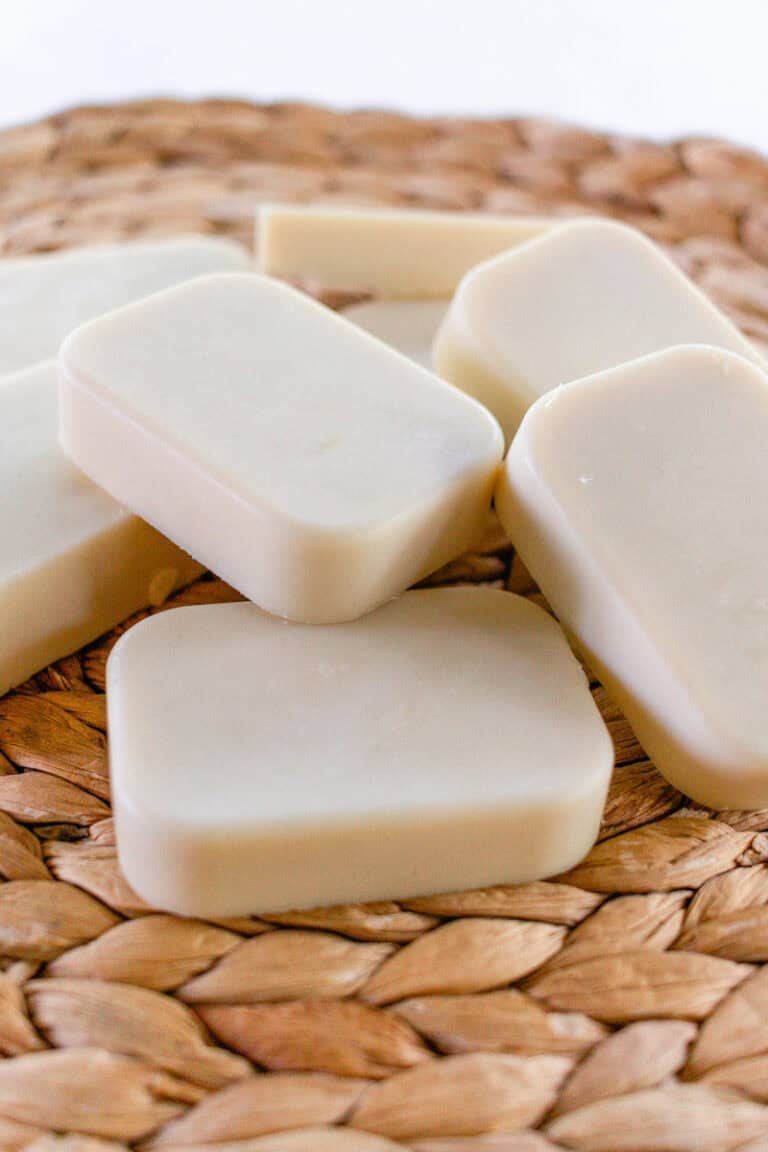
This recipe makes approximately 8 bars of soap.
FAQs
How does this soap feel?This facial soap recipe is both cleansing and moisturizing. The added bentonite clay balances it out so it doesn’t feel heavy.
Can we modify this recipe?For any additional variations, you will want to use a soap calculator. We developed this recipe for myself and those who either don’t like scented face products or have sensitive skin. You know we love essential oils, but we chose not to use any here. You can add fragrance to this recipe at 3% of the recipe weight.
What is the superfat level of this soap?Each oil requires a different amount of lye to turn it into soap. A recipe with more oil and less lye will leave some unsaponified fat, resulting in a more moisturizing soap. A 5% superfat recipe will leave you with a harder bar of soap that moisturizes and lathers well. This facial soap recipe is made with a 5% superfat.
Do we need to use distilled water for soap making?Some soap recipes do call for distilled water, but we just use tap water from home in our own soap recipes.
Patch Test Reminder
We suggest doing a patch test on your inner arm to check for any allergic reaction or sensitivities. Some people may have sensitivities to clay.
Wrapping up
Cold process soaps require a little extra equipment, attention to detail, and patience, but it is worth it. Once you feel more confident handling the lye and making adjustments with the soap calculator, you will be ready to make more.
We'll admit – the process is a little addicting. If you go a bit overboard, you can always share your beautiful bars of soap. It’s a useful and impressive gift!
Other Cold Process Soap Recipes
5 from 1 voteCold Process Facial Soap Recipe
By the studio Ascher Prep: 20 minutes minsActive: 30 minutes minsInactive Time: 40 minutes minsTotal: 1 hour hr 30 minutes mins Yield: 8 bars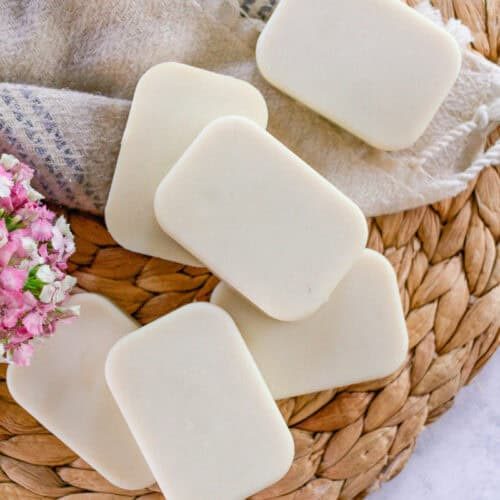 SaveSaved Pin Print This fragrance-free, nourishing face bar soap is perfect for many skin types. Bentonite clay and rosehip oil add extra cleansing and rejuvenating properties, making it a must-try for your skincare routine.
 Equipment
- Small saucepan or double boiler
- Heat-resistant glass jar or container
- Immersion blender/stick blender
- soap molds
- Protective gear (gloves, goggles, long-sleeved shirt)
- digital thermometer
- digital scale
- Vinegar (for neutralizing lye, in case of spills)
Ingredients
- 10 oz shea butter
- 2 oz almond oil
- 2 oz castor oil
- 1 oz of argan oil
- 1 oz of coconut oil
- 0.25 oz rosehip oil
- ½ tsp bentonite clay
- 6.18 oz water
- 2.06 oz lye
Instructions
- Work in a well-ventilated area away from pets and kids. Wear gloves, goggles, long sleeves, and a mask.
- Prep bentonite clay by dissolving 1/2 a teaspoon of clay in 1.5 tablespoons of water and set aside until step 6.
- In a heat-resistant container, slowly add the lye to the 6.18 oz of water. Carefully stir until dissolved. Set it aside in a safe area to cool. Note: the water will rapidly heat up to over 200°F.
- Melt the oils and butter in a double boiler. Then, allow them to cool to around 110°F. (Ideally, the lye water mixture will be within 10° of the oil temperature)
- Add the lye water to the melted oils a little at a time and mix with an immersion blender until it comes to a light trace.
- Add the bentonite clay mixture and continue mixing until it reaches a medium trace.
- Transfer to soap molds.
- Allow the bars to harden for 3 days in the molds. Then, pop them out and lay them on their ends for 6 weeks to cure.