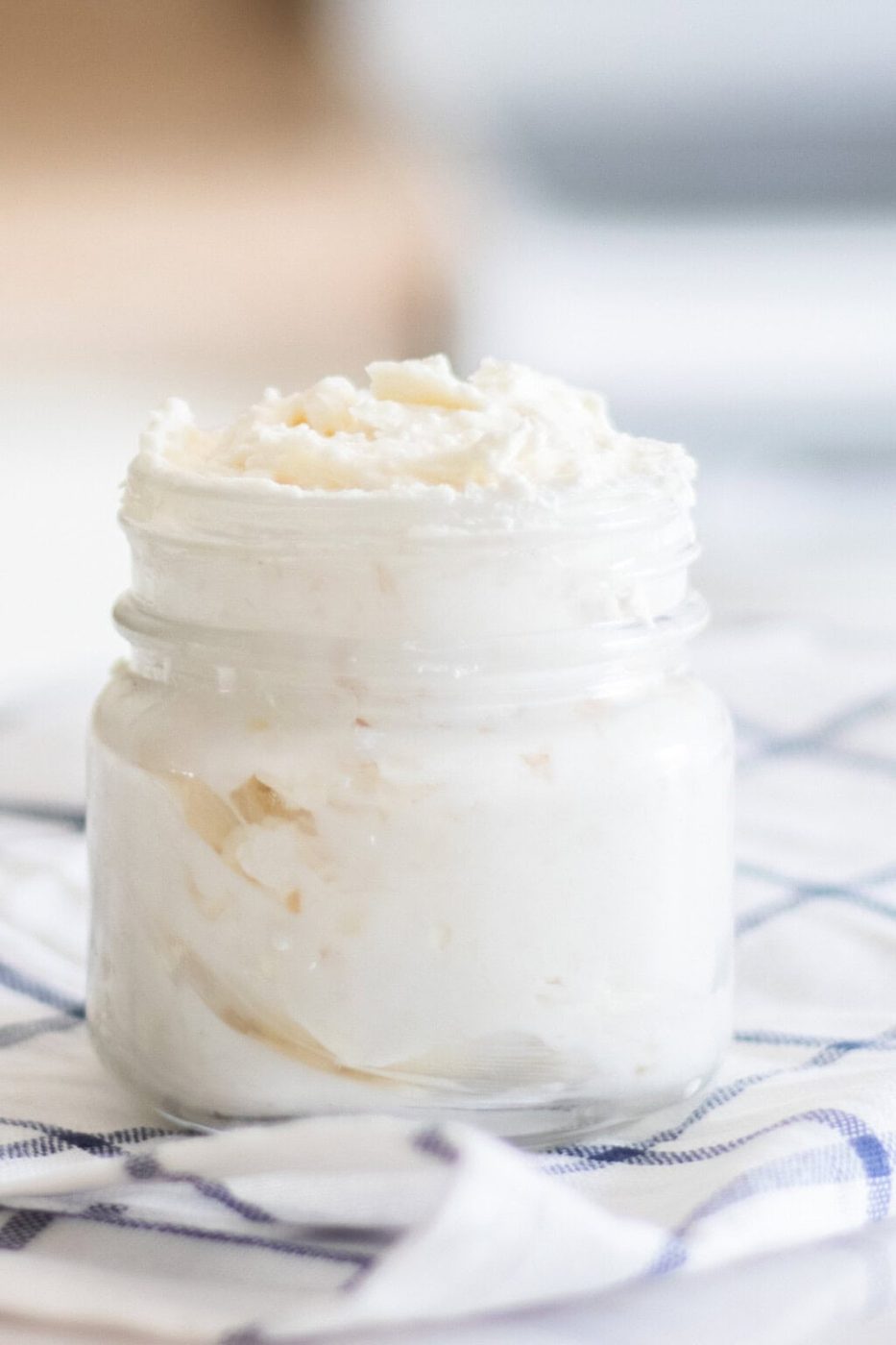
Bentonite Clay: Face Mask DIY
Also filed inBath and BeautyEssential OilsAll NaturalSkincare
This DIY bentonite clay face mask recipe is so simple to make and great for your skin. It takes just 3 ingredients and a couple of minutes to whip up, and your skin will thank you.
For a deeper cleanse, we love to use this Bentonite clay face mask recipe about once a week. Doing it more often would be beneficial, but we can’t seem to fit it all into our schedule. #busymama
Ha! This simple clay face mask recipe makes for a fun girls’ night! Whip it up with your girlfriends, sister, or daughter, and then have a spa night. This is one of our daughter’s favorite things to do! It is a win-win for me; as we make special memories, we am pampering our skin and reducing the wrinkles that she caused earlier in the day.
We live in a busy, busy world, and sometimes a girl just has to slow down and have a spa night. Am we right? Start your next self-care night off with a DIY clay face mask; we promise your skin will thank you!
If you want more than clay to pick from, we keep all of our DIY face mask recipes together in one post.
Why You’ll Love It
- Bentonite clay face masks are so good for your skin! Rich in minerals and effective at absorbing grease, dirt, and other impurities, using a clay mask on your face regularly will keep your skin clear and healthy.
- This simple recipe takes only 3 ingredients and just a couple of minutes. It couldn’t be easier!
- As with many of our recipes that contain essential oils, you can mix and match different essential oils to add skin benefits that you need most.
Ingredients + Supplies
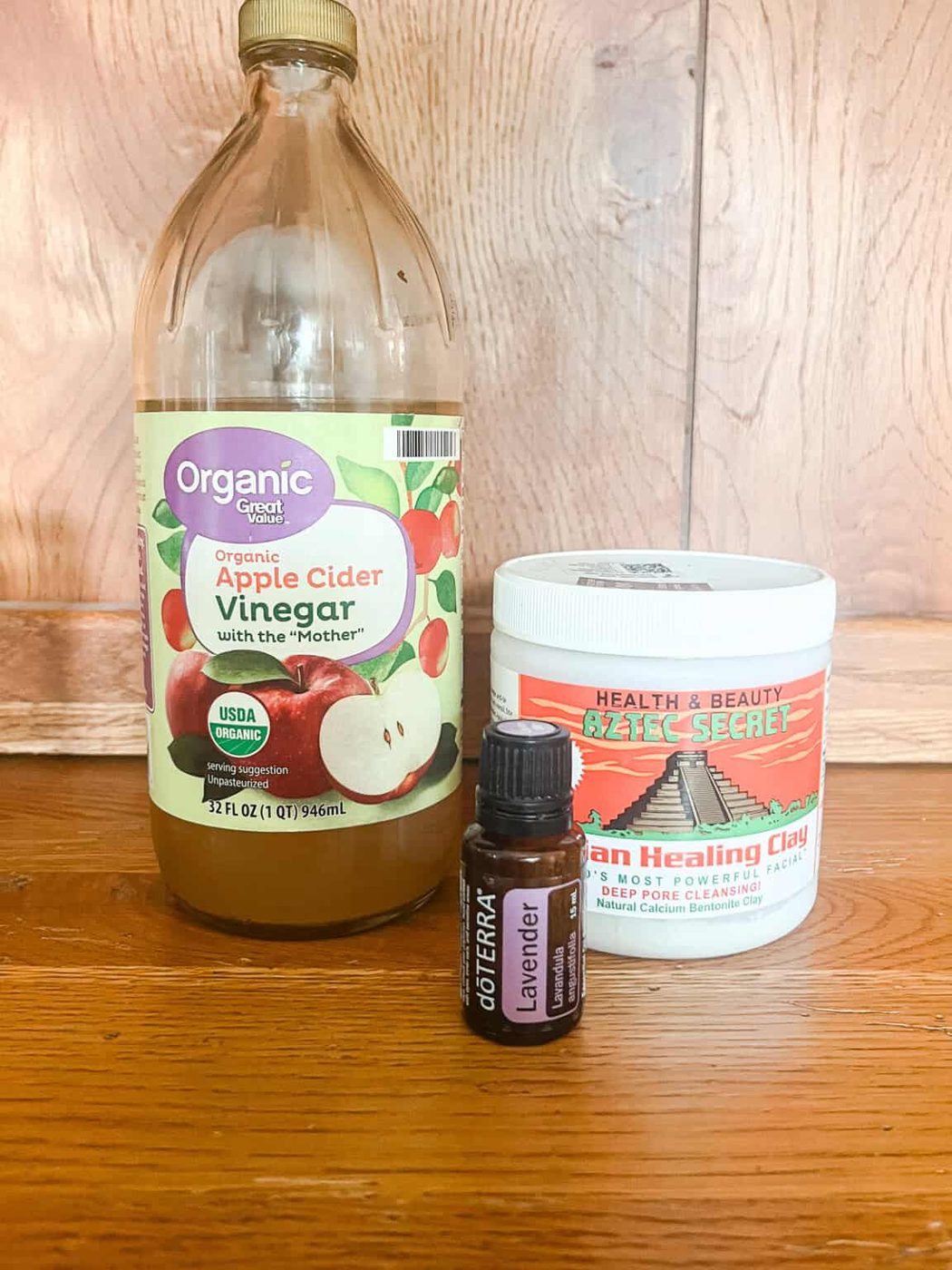
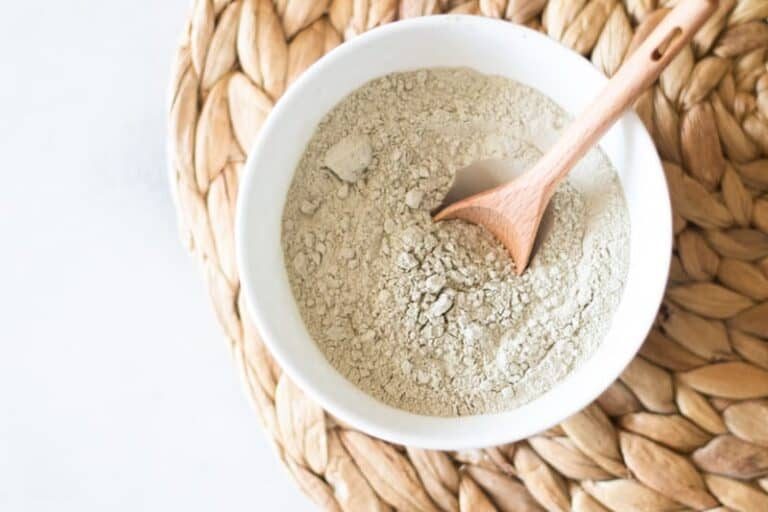
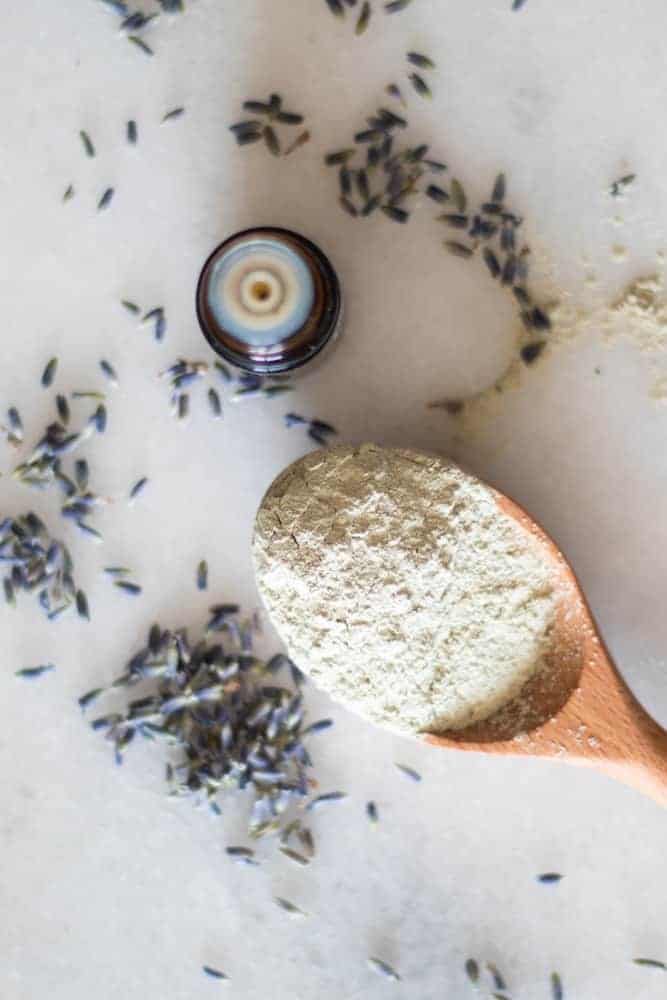
- Bentonite clay: A natural clay produced from volcanic ash, bentonite clay is rich in minerals and naturally absorbent. A bentonite clay face mask absorbs dirt, grease, and impurities from the skin, which is very beneficial.
- Apply cider vinegar: Mixing the clay with apple cider vinegar enhances its benefits bybalancing the pH and reducing bacteria.
- Essential oil: We like to add essential oil for additional benefits to the skin. Three of our favorites are lavender, frankincense, and tea tree. These three make up our all-time favorite clear skin roller bottle. Yarrow pom, rose, and myrrh are great essential oils for anti-aging. You can use whatever you like and have on hand.
- Wooden spoon: Always use wooden utensils with bentonite clay, never metal.
- Storage container: Use a glass container with an airtight plastic lid for storage. Avoid jars with metal lids.
How to Make Bentonite Clay Face Mask
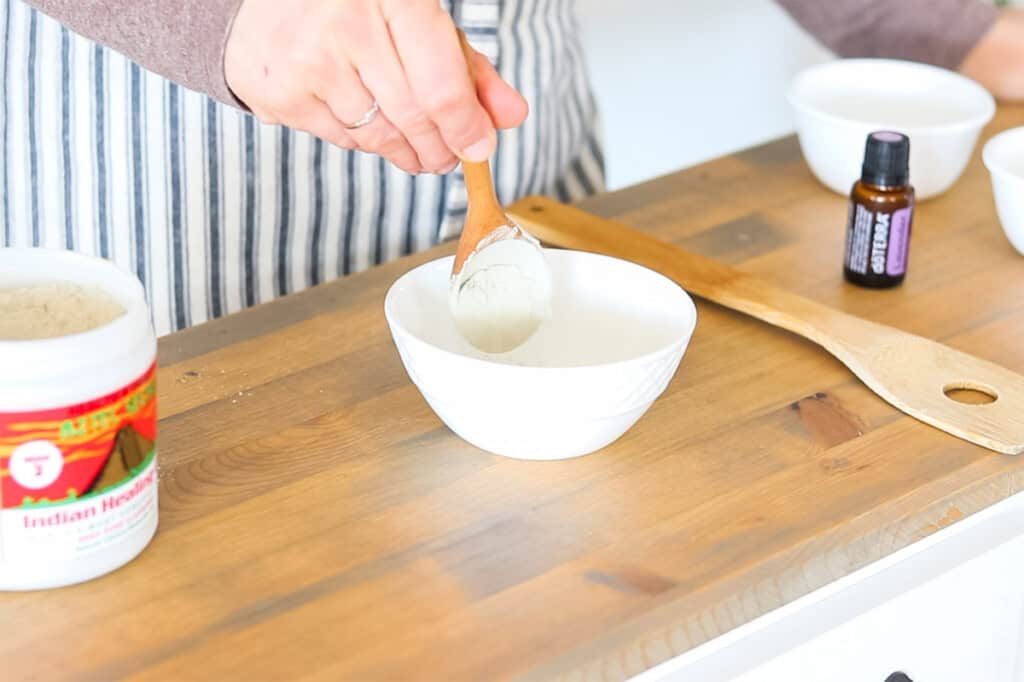
Step 1. Measure the bentonite clay into a small bowl.
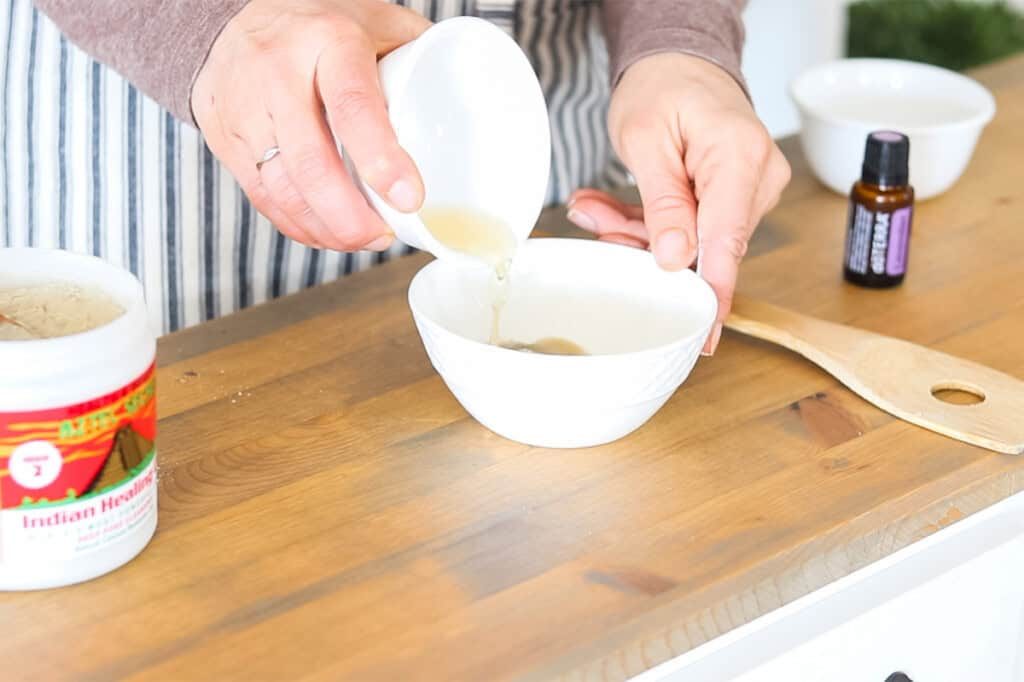
Step 2. Add the apple cider vinegar and essential oil.
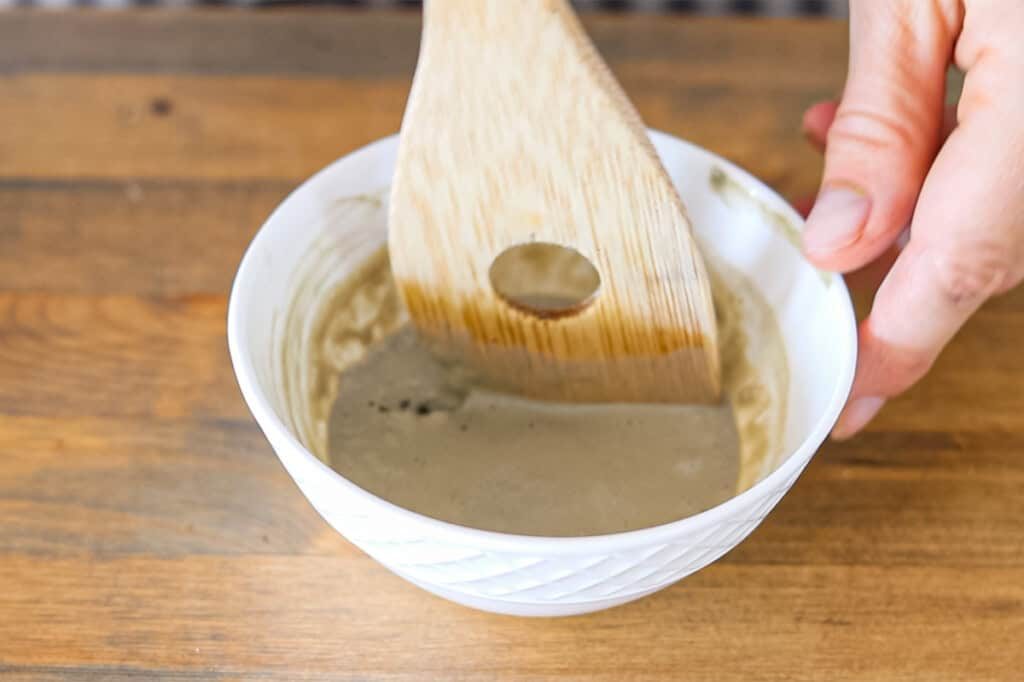
Step 3. Stir using a wooden spoon. Never use iron or metal utensils when working with clay.
Step 4. Store in a glass container with an airtight plastic lid.
How to Apply a Clay Face Mask
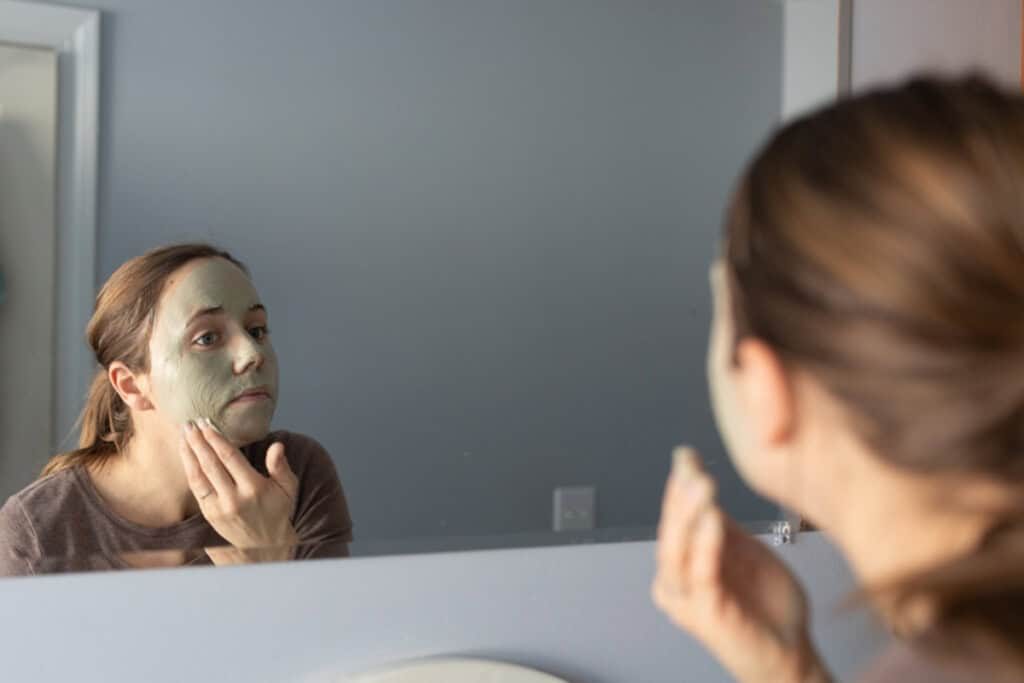
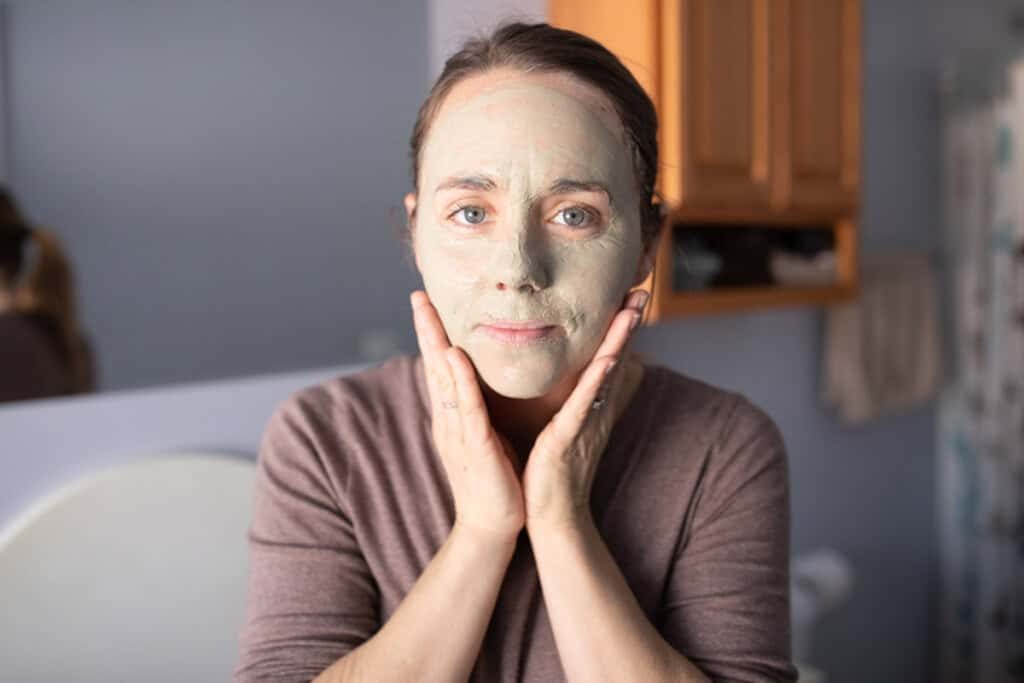
Apply a thin, even layer to the face and neck. Leave the mask on for 3–5 minutes to allow it to work its magic! Avoid the eyes and the inside of the nose and ears.
It is best to apply after the face has already been washed with a homemade face wash, and apply a homemade face moisturizer when finished with the mask.
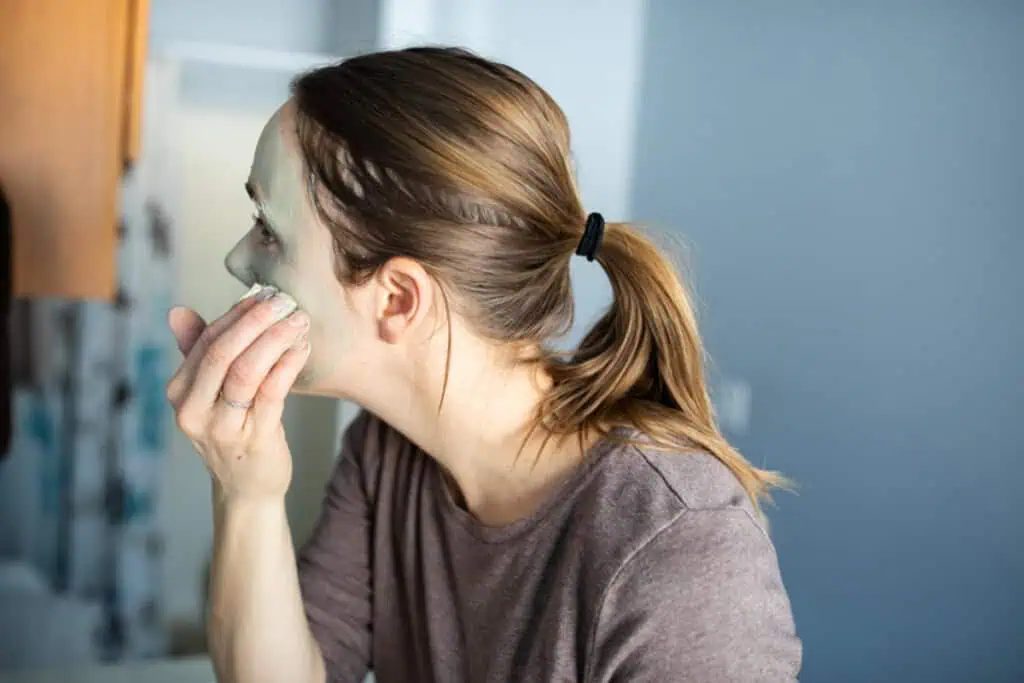
How to Remove a Clay Mask
To remove the homemade clay mask, rinse the face with warm water. Use a soft cloth to scrub if needed.
Expert Tips
- Apply the mask in a thin layer on your face. If it’s too thick, the clay will get clumpy and crumbly as it dries. You may need to add more water to make it thin enough to spread.
- It’s always a good idea to perform a patch test before using a new product on your face. Apply a little bit of clay face mask to your inner arm and watch for adverse reactions before applying it to the face.
- Bentonite clay absorbs unwanted substances, but it also absorbs water, so it can dehydrate your skin a little. To avoid overdrying, apply it just a few times a week at first and always follow up with a moisturizer.
Bentonite Clay Face Mask Benefits
Detox and Reduce Impurities
It also promotes clear, healthy skin! When the clay is applied to the face, it acts like a sponge and pulls toxins, dirt, grease, and impurities from the skin. Removing these from the skin can help with oily skin, pimples, and other irritating skin conditions.
Reduce Grease and Unclog Pores
Clay masks are great for greasy and oily skin because the clay can draw out toxins and absorb dirt and oils from the pores. It will reduce shine and absorb excess grease, keeping your skin nice and clear.
If you have oily skin, it may be best for you to use the clay mask daily until it clears up.
Reduce Wrinkles and Fine Lines
Lack of collagen is the main culprit for aging because collagen increases skin elasticity and hydration. Bentonite clay may reduce wrinkles and fine lines as it can rebuild damaged skin cells and help in the production of collagen. As we age, our body produces less collagen. This starts happening at age 21.
Leaves Skin Smooth and Soft
This has to be our favorite thing about applying a clay face mask (like our homemade rose clay face mask)! When you take it off your skin, it will feel so soft and smooth. This is because of the minerals that are found in clay, including calcium, magnesium, silica, sodium, potassium, and iron.
FAQs
How often should we use a bentonite clay face mask?Typically, we recommend 2-3 times a week for best results. Applying it more often may dry out the skin, depending on your skin type. It’s a good idea to pay attention to how your skin reacts and adjust accordingly.
What else is bentonite clay good for?Besides a face mask, we like to use bentonite clay for an armpit detox. It is beneficial to apply a clay mask under the armpits weekly to draw out heavy metals from using conventional deodorant.
For more ideas, see our post about bentonite clay uses!
More DIY Face Mask Recipes
- Homemade Anti-Aging Face Cream
- Anti-Aging Matcha Face Mask
- Glowing Skin Face Mask
- Homemade Sea Moss Face Mask
- Charcoal Peel-off Mask
If you tried this Bentonite Clay Face Mask or any other tutorial on our website, please leave a 🌟 star rating and let me know how it went in the 📝 comments below. Thanks for visiting!
5 from 13 votesDIY Bentonite Clay Face Mask
By the studio Ascher Prep: 5 minutes minsActive: 5 minutes minsTotal: 10 minutes mins Yield: 1 face mask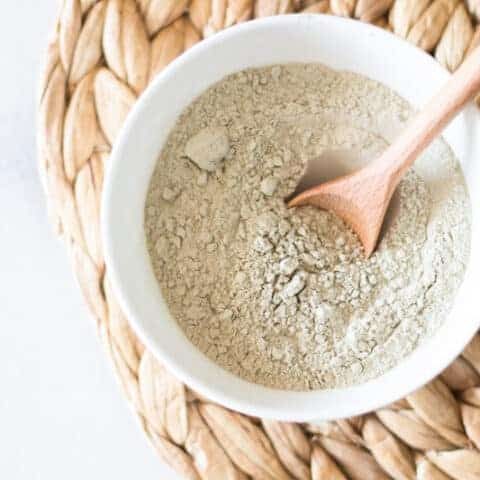 SaveSaved Pin Print This DIY bentonite clay face mask recipe is so simple to make and great for your skin.
 Equipment
- Airtight container
Ingredients
- 1 tablespoon bentonite clay
- 0.5 oz apple cider vinegar, 1 tbsp
- 0.17 oz water, 1 tsp
- 3 drops lavender essential oil
Instructions
- Place the clay, apple cider vinegar, and water into a glass bowl.
- Stir using a wooden spoon. Never use iron or metal utensils when working with clay.
- Add 3 drops of essential oils and stir to combine.
- Store in a glass container with a plastic airtight lid.
Notes
To Use Apply a thin, even layer to the face and neck. Leave the mask on for 3–5 minutes to allow it to work its magic! Avoid the eyes and the inside of the nose and ears. Rinse off with warm water. Notes- Apply the mask in a thin layer on your face. If it’s too thick, the clay will get clumpy and crumbly as it dries. You may need to add more water to make it thin enough to spread.
- It’s always a good idea to perform a patch test before using a new product on your face. Apply a little bit of clay face mask to your inner arm and watch for adverse reactions before applying it to the face.
- Bentonite clay absorbs unwanted substances, but it also absorbs water, so it can dehydrate your skin a little. To avoid over drying, apply it just a few times a week at first and always follow up with a moisturizer.
- You can watch the video tutorial in the post above for visual reference.