How to Use Essential Oils Safely: Essential Oil Safety
Also filed inEssential OilsEssential OilsKids
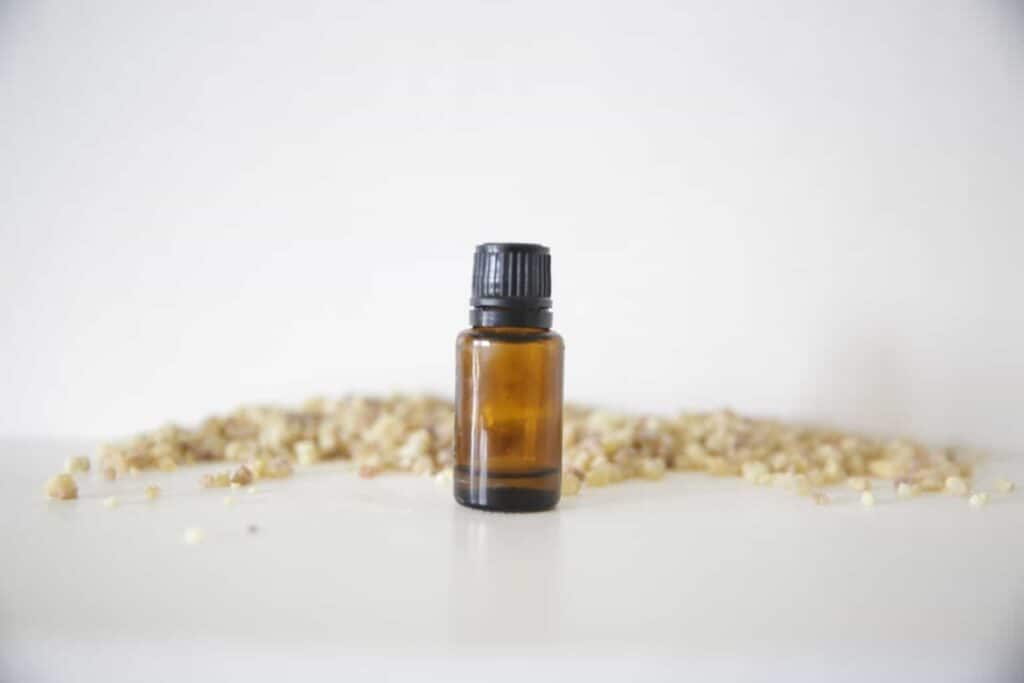
We honestly couldn’t imagine life without our essential oils. We use them in our makeup, our deodorant, our perfume, our lotions, body scrubs, and nearly anything else you can think of!
But if there’s one question we get more than any other, it’s about essential oil safety: how do we use these safely? Essential oils are wonderful, but they’re also potent, and a few simple guidelines go a long way.
So let’s walk through the basics together.
A Quick Note From Me
Everything here is simply what we've learned from years of using essential oils in our own home, and what works for me and our family.
We're not a medical professional, though, so please do your own research too, and check with someone qualified if you ever have a specific question or concern. You know you and your family best.
Always Dilute Before Applying to Skin
Essential oils are incredibly concentrated, so you never want to put them straight onto your skin. Diluting them in a carrier oil makes them gentle and safe to use.
Our favorite way to dilute is by making a roller bottle. You just add a few drops of essential oil to the bottle and top it off with a carrier oil (fractionated coconut oil is our go-to). Take a peek at our must-have roller bottle blends for some of our favorite combinations.
You can also stir a few drops into an unscented lotion or body butter, which is lovely when you want to cover a larger area.
Always Do a Patch Test First
Dab a little of the diluted oil on the inside of your arm and give it a day to make sure your skin is happy with it. This is especially important with the stronger oils below. Anytime you try a new oil on your skin, do a quick patch test.
Oils to Use With Extra Care
A few oils just need a little extra respect.
“Hot” oils like cinnamon, clove, oregano, and thyme are much stronger on the skin than a gentle oil like lavender. Here’s how we handle them:
- Dilute them more than you would a milder oil. A little truly goes a long way.
- Never use them “neat” (that means undiluted) on your skin.
- Use them sparingly. A hot oil that’s too strong or used too often can irritate your skin, and can even lead to a lasting sensitivity, so we save these for once-in-a-while use and always dilute them well.
Citrus oils (lemon, lime, bergamot, wild orange) are photosensitive, which means they can make your skin more sensitive to the sun. After we use them on our skin, we stay out of direct sun for a good while (around 12 hours) to be safe.
Less Is More
When you’re new to an oil, start with just a drop or two and see how you feel. You can always add more, but you can’t take it back once it’s on. With essential oils, a little almost always does the trick.
How to Diffuse Safely
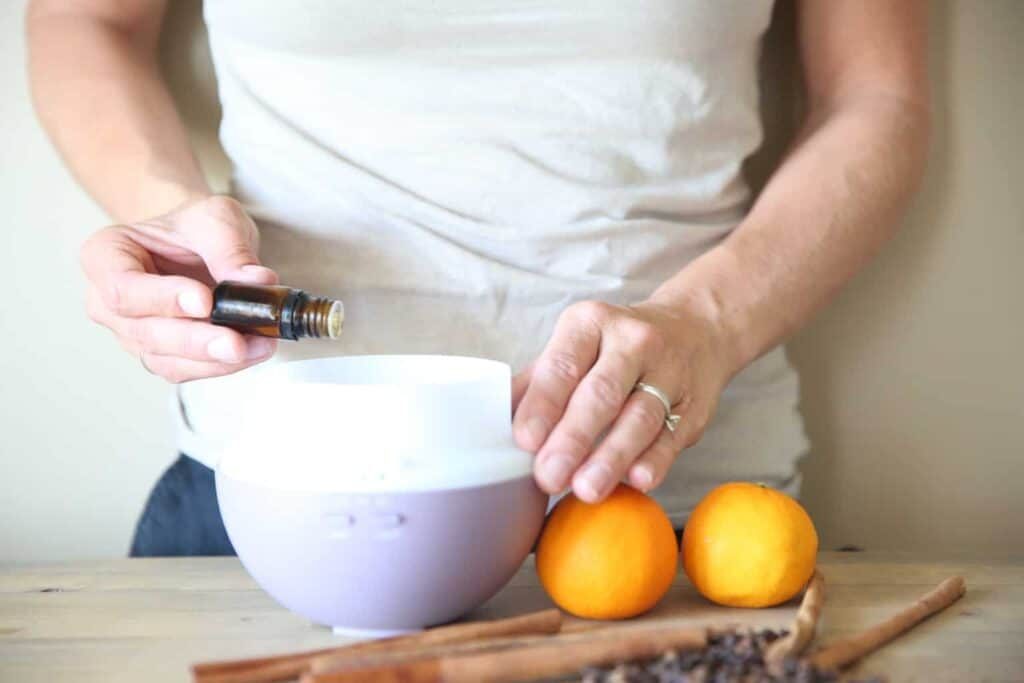
Diffusing is one of the easiest and gentlest ways to enjoy your oils. It disperses them into the air to make a room feel calm, cozy, or bright, depending on what you choose.
If you’re new to it, start with just a few drops and see how you like it before adding more. We also like to diffuse for a little while rather than all day long. And be sure to clean your diffuser regularly to keep it running well.
How to Store Your Essential Oils
- Keep your oils in a cool, dark spot with the caps on tight. Heat and light break them down over time.
- Store them in their dark glass bottles, never in plastic.
- Always keep essential oils up and out of reach of children.
Choosing Quality Oils
Not all oils are created equal. Look for a brand you trust that’s open about where their oils come from and how they’re tested, so you know you’re getting the real, pure thing.
Essential Oil Safety FAQs
How do you dilute essential oils?Add a few drops of essential oil to a carrier oil like fractionated coconut oil, usually in a roller bottle, before applying it to your skin.
Which essential oils should be used with extra care?“Hot” oils like cinnamon, clove, oregano, and thyme need extra dilution and should be used sparingly, and citrus oils are photosensitive, so avoid the sun after applying them.
How should we store essential oils?In a cool, dark place with the caps tight, in their glass bottles, and always out of reach of children.
Related Posts
- Lavender Essential Oil: Uses, Blends, and DIY Recipes
- Lemon Essential Oil: Ways to Use It
- Peppermint Essential Oil: Ways to Use It
If you found this essential oil safety guide helpful, or tried any other tutorial on our website, please let me know in the 📝 comments below. Thanks for visiting!