A Simple Guide to Flavoring Food: How to Cook with Fresh Herbs and Extracts
Also filed inEssential OilsHealthy RecipesHealthy RecipesCooking with Essential Oils
If there’s one thing that turns an ordinary dinner into something a little special, it’s fresh herbs. We reach for them constantly, and once you get the hang of cooking with fresh herbs, we have a feeling you will too.
There’s just nothing like snipping a handful of something green and tossing it into whatever is on the stove. The smell alone is worth it.
In this note we'll walk you through everything we've picked up about flavoring food with herbs and extracts: fresh versus dried, when to add them, which herbs go with what, how to keep your garden herbs from going to waste, and a few easy extracts you can make yourself.
Fresh vs Dried Herbs
Both earn a spot in our kitchen, they’re just good at different things.
Fresh herbs are bright and lively. They shine in fresh dishes and added at the end, like a handful of basil over pasta or cilantro on tacos.
Dried herbs are more concentrated and a little deeper in flavor. They’re wonderful in anything that cooks low and slow, like soups, stews, and spice rubs.
Here’s the one rule worth remembering: dried herbs are stronger than fresh, so use about a third as much. One teaspoon of dried equals roughly one tablespoon of fresh.
When to Add Herbs
Timing makes a bigger difference than most people think, and it comes down to whether an herb is hardy or tender.
Hardy herbs like rosemary, thyme, oregano, sage, and bay can stand up to heat and time. Add them early so they soften and melt into the dish while it cooks.
Tender herbs like cilantro, basil, parsley, dill, mint, and chives are delicate. Add them right at the end or as a garnish. Cook them too long and you lose both the fresh flavor and the pretty green color.
If a recipe calls for both, it’s simple: hardy herbs early, tender herbs late.
A Quick Herb-by-Herb Guide
When you’re not sure what goes with what, here’s the cheat sheet we keep in our head:
- Basil: tomatoes, garlic, summer squash, pasta, anything Italian.
- Cilantro: Mexican and Thai dishes, lime, beans, salsa. Always add it fresh at the end.
- Rosemary: chicken, potatoes, bread, roasted vegetables. A little goes a long way.
- Thyme: soups, roasts, mushrooms, eggs. It plays well with almost everything savory.
- Parsley: brightens up just about any dish. A classic finishing herb.
- Dill: fish, potatoes, creamy yogurt sauces, and of course pickles.
- Mint: peas, lamb, fresh fruit, and cold drinks.
- Oregano: tomato sauces, marinades, and Greek and Italian cooking.
- Sage: winter squash, brown butter sauces, pork, and stuffing.
- Chives: eggs, potatoes, and a mild oniony finish over just about anything.
Getting the Most From Garden Herbs
If you grow your own, a few habits go a long way.
Snip often. Regular trimming actually keeps most herbs producing more, so don’t be shy about harvesting.
Harvest cilantro early. It loves to bolt the second the weather warms up, so use it while it’s young and lush.
Store the fresh stuff right. Tender herbs keep best standing in a little jar of water in the fridge, like a tiny bouquet. Heartier herbs do well wrapped in a damp paper towel.
Preserve the extra. When the garden is overflowing, chop your herbs, tuck them into an ice cube tray, cover with olive oil, and freeze. You’ll have little flavor cubes ready to drop straight into a pan. You can also dry herbs and keep them in the pantry all winter.
Building Flavor Beyond Herbs
Herbs are our starting point, but a few other things do a lot of heavy lifting.
Citrus zest adds a ton of flavor with none of the extra liquid. We zest lemon, lime, or orange into dressings, marinades, and baked goods all the time.
Garlic, onion, and shallots are the base of so much good cooking. Start there and you’re already ahead.
Homemade seasoning blends let you flavor a whole dish in one scoop. Our homemade seasoning salt blends are the ones we reach for most.
Pure Extracts for Baking
When it comes to sweets, extracts are your best friend. They pack concentrated flavor into just a few drops, so a little goes a long way (usually half a teaspoon to a teaspoon).
The everyday ones are vanilla, almond, peppermint, and lemon, and they turn up in everything from cookies to frosting to homemade coffee creamer.
It’s cheaper than store-bought, tastes wonderful, and makes a sweet little gift. Here’s a fun one: you can make your own. Split a couple of vanilla beans (or use citrus peel or mint), drop them into a small jar of vodka, and let it sit for a few weeks.
Our Go-To Flavor Combos
When in doubt, these pairings never let me down:
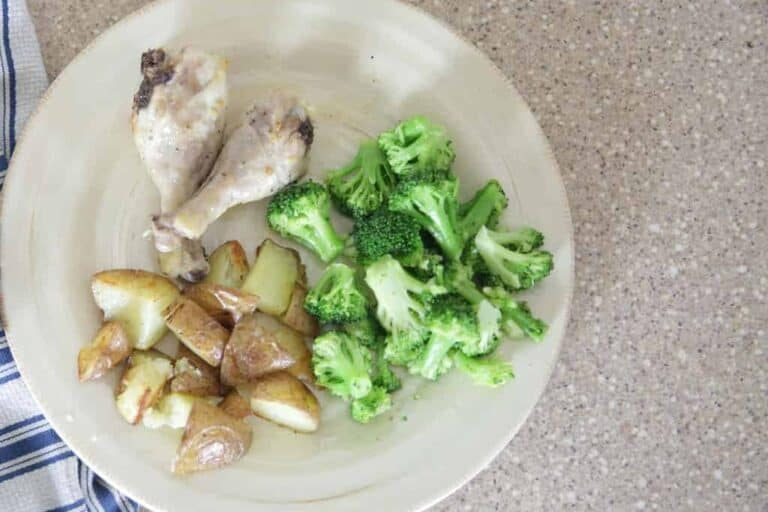
- Lemon and rosemary is our favorite for chicken (it’s the whole idea behind our lemon rosemary chicken).
- Garlic and thyme for roasts, potatoes, and anything cozy.
- Lime and cilantro for tacos, rice, beans, and slaw.
- Basil and tomato, the taste of summer.
- Sage and brown butter, poured over squash or pasta.
Tips
- Taste as you go and add a little at a time. You can always add more.
- Crush or chop dried herbs between your fingers before adding them to wake up the flavor.
- Keep dried herbs in a cool, dark spot and replace them once they lose their smell (about a year).
- Save your tender-herb stems, they’re full of flavor and great in a pot of stock.
Cooking with Fresh Herbs FAQs
How much dried herb equals fresh?About a third. One teaspoon of dried herbs equals roughly one tablespoon of fresh.
When should we add fresh herbs to a dish?Add hardy herbs like rosemary and thyme early, and tender herbs like basil and cilantro right at the end so they stay bright.
Can we substitute dried herbs for fresh?Yes. Just use about a third as much, and add them earlier in the cooking since they need a little time to soften.
More From the Kitchen
If you found this guide to cooking with fresh herbs helpful, or tried any other recipe on our website, we'd love to hear about it in the 📝 comments below. Thanks for visiting!