
Creating an Allergy-Friendly Oasis: Embracing Xeriscaping for a Healthier Home
Life has a way of throwing curveballs, and sometimes those challenges become catalysts for significant, positive change. For our family, a recent health scare involving our daughter became the powerful impetus we needed to rethink our entire outdoor environment. It’s a journey that began with an unexpected asthma diagnosis and quickly evolved into a passionate exploration of allergy-friendly, drought-tolerant landscaping – commonly known as xeriscaping.
This past spring, we experienced a frightening episode with our little one that ultimately led to her being diagnosed with asthma. It was a heart-stopping moment for any parent, seeing your child struggle to breathe. Once we began to understand the situation, her doctor immediately recommended comprehensive allergy testing. The goal was clear: pinpoint the exact environmental triggers that could potentially lead to another attack and equip us with the knowledge to create a safer world for her. After what felt like an eternity of waiting, we finally had our consultation with a specialist last week, and the results, while providing much-needed clarity, also presented us with a brand new project for our home.
Unveiling the Triggers: A Deeper Look at Allergy Test Results
The allergy test results were a mix of the predictable and the utterly shocking. Some findings came as no great surprise to us – for instance, a strong reaction to cat dander, which simply reinforced our “no feline friends in the house” rule. However, other results completely blindsided us, particularly those pertaining to grasses and trees. As it turns out, our daughter is allergic to a vast array of common trees, especially those prominently featured in our own yard and throughout our neighborhood. And when it comes to grasses, she reacted strongly to the types most commonly found in local parks, school ball fields, and, yes, you guessed it, our very own lawn. It truly broke my heart to realize that our immediate outdoor environment, meant to be a place of play and joy, was actually a major source of her discomfort and potential health risks.
This revelation brought a new level of urgency to a conversation my husband, Naomi, and I had already been having for quite some time. For the last year or so, I’ve been gently, but persistently, advocating for a significant change to our landscape: specifically, ditching our traditional lawn in favor of transforming our yard into a lawn-free, xeriscape design. My initial motivation stemmed primarily from the severe drought conditions that have plagued much of our state, making water conservation not just a preference, but a vital responsibility. However, with Bry’s new asthma and allergy diagnosis, the rationale for making this switch has become profoundly personal and even more compelling. While we are still exploring the best course of medical treatment for her, we are confident that making thoughtful changes to our immediate outdoor spaces will provide invaluable complementary support to her overall well-being.
Beyond Water Saving: The Multi-faceted Benefits of Allergy-Friendly Xeriscaping
Xeriscaping, at its core, is the practice of landscaping or gardening that reduces or eliminates the need for supplemental water from irrigation. Often misunderstood as simply “rock gardens” or barren landscapes, true xeriscaping is a sophisticated approach to creating beautiful, functional, and sustainable outdoor spaces. It’s about selecting drought-tolerant plants, grouping them by water needs, utilizing efficient irrigation (if any), and using mulches to retain moisture. But for us, it has evolved into something far more than just water conservation; it’s about crafting an allergy-friendly haven right outside our door.
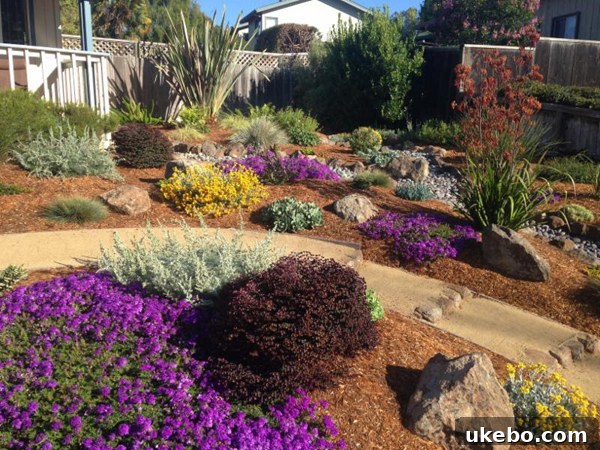
I’ve admired the aesthetic of lawn-free landscaping for years, but it’s important to recognize that not all xeriscapes are created equal. My personal preference leans strongly towards designs that are richly layered with vibrant native flowers, elegant ornamental grasses (chosen specifically for their low-pollen characteristics), inviting pathways, striking succulents, and other resilient, low-maintenance ground covers. This style stands in stark contrast to the more austere designs primarily composed of gravel and decomposed granite, which, while water-efficient, often lack the visual warmth and ecological benefits I desire. A well-designed xeriscape can be incredibly lush and dynamic, proving that beauty and sustainability can absolutely go hand-in-hand.
The benefits extend beyond aesthetics and water conservation. By reducing or eliminating a traditional lawn, we automatically cut down on several allergy triggers: no more grass pollen, less need for mowing (which stirs up pollen and dust), and a decrease in the use of chemical fertilizers and pesticides that can also irritate sensitive respiratory systems. Furthermore, integrating native plants often supports local biodiversity, attracting beneficial insects and birds, enriching the ecological health of our property. It’s a win-win-win: good for our daughter’s health, good for the environment, and potentially good for our utility bills and weekend chores!
Crafting an Allergy-Friendly Outdoor Oasis: Design Considerations
Transforming our yard into an allergy-friendly xeriscape requires careful planning and plant selection. The key is to choose plants that are naturally low in pollen, or whose pollen is heavy and not easily airborne. This means steering clear of common wind-pollinated trees like oak, birch, cedar, and certain types of pine, as well as many popular lawn grasses like Bermuda, rye, and fescue. Instead, we’ll focus on options like:
- Low-pollen trees and shrubs: Varieties such as fruit trees (which have heavier pollen), dogwood, magnolia, or specific types of holly can add structure and beauty without contributing significantly to airborne allergens.
- Native flowers and perennials: Many native plants are pollinated by insects rather than wind, making them excellent choices. Think vibrant salvias, penstemons, coneflowers, and sedums that thrive in local conditions and provide stunning visual interest.
- Ornamental grasses: While some grasses are problematic, certain ornamental varieties produce very little airborne pollen and can add texture and movement to the landscape. Careful research is essential here.
- Ground covers and succulents: These offer fantastic, low-maintenance alternatives to grass, covering the ground beautifully, suppressing weeds, and requiring minimal water.
- Hardscaping: Incorporating patios, permeable pathways made of flagstone or pavers, and decorative rock features in designated areas can reduce the overall plantable footprint, thereby reducing potential allergens.
One of my biggest challenges, however, will be convincing Naomi. She has always been a “give-me-all-the-lush-green-lawn” kind of girl, associating a vibrant green carpet with traditional beauty and family gatherings. To sway her, I’ve been collecting tons of inspiration, showcasing how a xeriscape can be just as lush, if not more so, than a conventional lawn, while also offering unique aesthetic appeal and a significantly healthier environment for our daughter. It’s about shifting the perception from “lack of lawn” to “abundance of thoughtful design.”
Real-World Inspiration: Visions for Our Yard
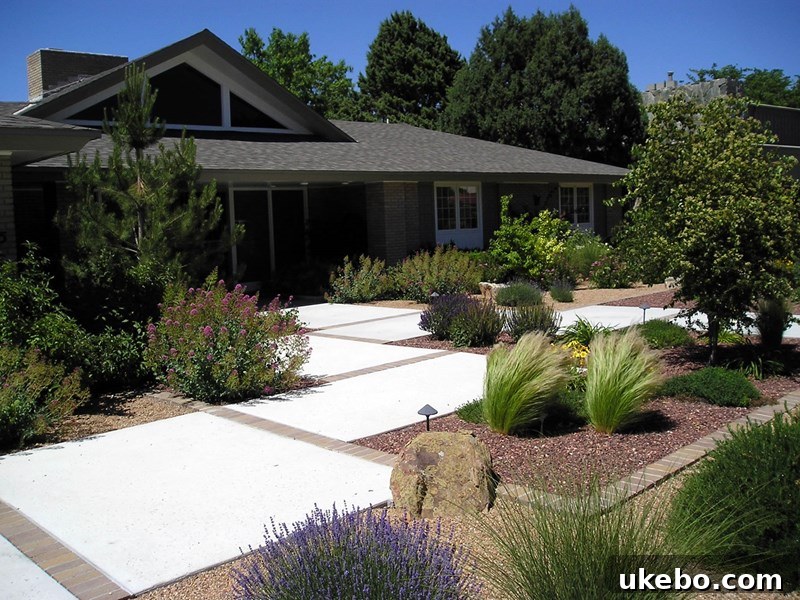
Here are a few of my favorite examples that beautifully illustrate the diverse and inviting possibilities of xeriscape design. These images highlight how different elements can be combined to create stunning, low-maintenance, and allergy-conscious outdoor spaces that feel both natural and deliberately curated.
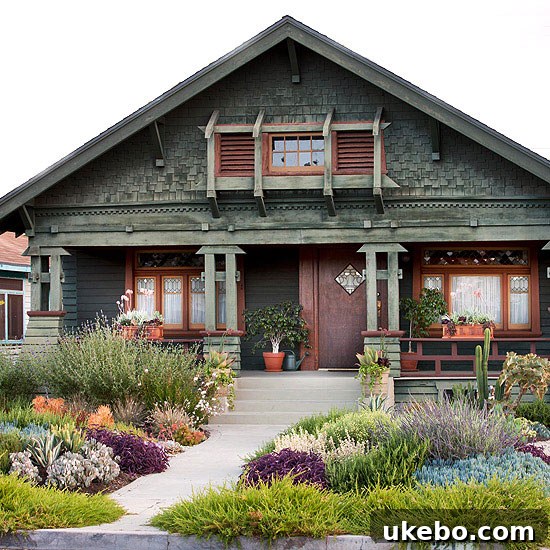
via Better Homes & Gardens
The Journey Ahead: Creating a Healthier Home Environment
This journey to transform our yard is just beginning, and it will undoubtedly be a process of learning, designing, and some physical labor. But the motivation couldn’t be stronger. Knowing that we can proactively mitigate potential allergy and asthma triggers right outside our front door provides immense peace of mind. It’s about more than just aesthetics or even water conservation now; it’s about creating a truly healthy and safe home environment where our daughter can thrive, play, and breathe easily.
We are excited about the prospect of a vibrant, low-maintenance, and allergy-friendly landscape that not only looks beautiful but also contributes to our family’s well-being and the health of our local ecosystem. This change represents a holistic approach to managing her allergies, blending medical guidance with thoughtful lifestyle and environmental adjustments. The vision of a blooming, textured garden filled with resilient, native plants, free from the problematic pollens that affect our daughter, is a powerful one.
What are your thoughts on embracing a lawn-free lifestyle or creating an allergy-friendly garden? Have you faced similar challenges with environmental allergies or the need for drought-tolerant solutions? Would you ever consider transforming your yard in this way, or do you already love the look and benefits of a xeriscape? I’d love to hear your experiences, tips, and design ideas!
Until next time, friends, may your gardens be green (or gloriously multi-colored!) and your air be clear.