
Mastering Indoor Plant Care: The Ultimate Guide for Beginners and Beyond
Welcome, fellow plant enthusiasts and aspiring green thumbs! If you’ve ever dreamt of transforming your living space into a vibrant indoor oasis but feared your plant-parenting skills weren’t up to scratch, you’ve come to the right place. This comprehensive guide is dedicated to demystifying houseplant care, especially for those embarking on their very first plant journey or anyone who has previously struggled to keep their leafy companions thriving. Whether you’re looking to introduce a touch of nature into a small apartment, expand an existing collection, or finally crack the code to consistent plant success, we’re here to equip you with the knowledge and confidence to cultivate a flourishing indoor garden.
My own journey with houseplants began not with an innate “green thumb,” but rather a gradual discovery of their profound impact on a home’s atmosphere. For years, I resisted bringing plants into my space, despite my mother’s persistent encouragement. Then, one day, something shifted. A single plant opened the door to a world of beauty, tranquility, and a surprising sense of connection. Since then, my plant family has grown significantly – each member cherished and given individual attention, much like any other beloved family member. They truly transform a house into a home, adding life, color, and a calming presence that’s simply unmatched.
Why Indoor Plants Are Essential for Every Home
Beyond their aesthetic appeal, houseplants offer a myriad of benefits that contribute to a healthier and happier living environment. They are known for purifying the air, reducing stress, boosting mood, and even increasing productivity. Incorporating greenery into your home creates a more inviting and refreshing atmosphere, making every corner feel more alive. This guide focuses on a selection of incredibly resilient and low-maintenance plants, perfect for beginners, small spaces, or anyone seeking to cultivate a thriving indoor ecosystem without constant fuss.
Foundational Principles of Houseplant Care
Before we dive into specific plant recommendations, let’s establish some fundamental care principles that will serve as your bedrock for successful plant parenting. Understanding these basics will empower you to meet the needs of almost any indoor plant.
1. The Right Light: Not All Sunlight Is Equal
Light is arguably the most crucial factor for plant health. Different plants have varying light requirements, from bright, indirect light to low-light tolerance. “Bright, indirect light” generally means a spot near a window that receives plenty of ambient light but avoids direct, scorching sun rays, which can burn leaves. Low-light plants can tolerate dimmer conditions, often thriving in rooms with north-facing windows or away from direct light sources. Always research your plant’s specific light needs and observe its behavior – stretched stems or pale leaves often indicate insufficient light, while burnt spots suggest too much direct sun.
2. Watering Wisdom: Less Is Often More
Overwatering is a common killer of houseplants. It leads to root rot, a condition where roots suffocate and decay due to lack of oxygen in waterlogged soil. The best rule of thumb is to water thoroughly when the top inch or two of soil feels dry to the touch, or even drier for drought-tolerant varieties. Always ensure your pot has drainage holes to allow excess water to escape. Remember, it’s generally easier to revive an underwatered plant than an overwatered one.
3. Potting Perfection: Choosing the Right Home
The right pot and soil mixture are vital. Most houseplants prefer well-draining potting mix, often a blend of peat moss, perlite, and pine bark. Pots with drainage holes are non-negotiable. Terracotta pots can be beneficial for plants that prefer drier conditions as they allow soil to dry out faster, while plastic or glazed ceramic pots retain moisture longer. When repotting, choose a pot only slightly larger than the current one to prevent root rot.
4. Humidity and Temperature: Mimicking Natural Habitats
Many popular houseplants originate from tropical climates, meaning they appreciate higher humidity levels and stable temperatures. Dry indoor air, especially during winter with heating systems, can stress plants. You can increase humidity by misting leaves (for some plants), using a pebble tray, or placing a humidifier nearby. Avoid placing plants near drafty windows or heating/cooling vents that cause extreme temperature fluctuations.
5. Feeding for Growth: Nutrition Matters
Plants need nutrients to grow, especially during their active growing season (typically spring and summer). Use a balanced liquid fertilizer diluted to half strength, and apply it sparingly according to the product’s instructions. Avoid fertilizing dormant plants or those that are stressed, as this can do more harm than good.
6. Pest Patrol: Early Detection is Key
Inspect your plants regularly for signs of pests like spider mites, mealybugs, or aphids. Early detection makes treatment much easier. A simple wipe-down of leaves can deter many pests, and horticultural oils or insecticidal soaps can be effective for infestations. Isolate new plants for a few weeks to ensure they don’t introduce pests to your existing collection.
Top Picks: Easy-Care Plants for Every Beginner
Now that we’ve covered the essentials, let’s explore some of the most forgiving and rewarding plants that are perfect for beginners or anyone looking for low-maintenance beauty. These resilient beauties are chosen for their ability to not just survive, but truly thrive with minimal fuss.
1. The Indestructible Snake Plant (Sansevieria trifasciata) – Aka Mother-in-Law’s Tongue
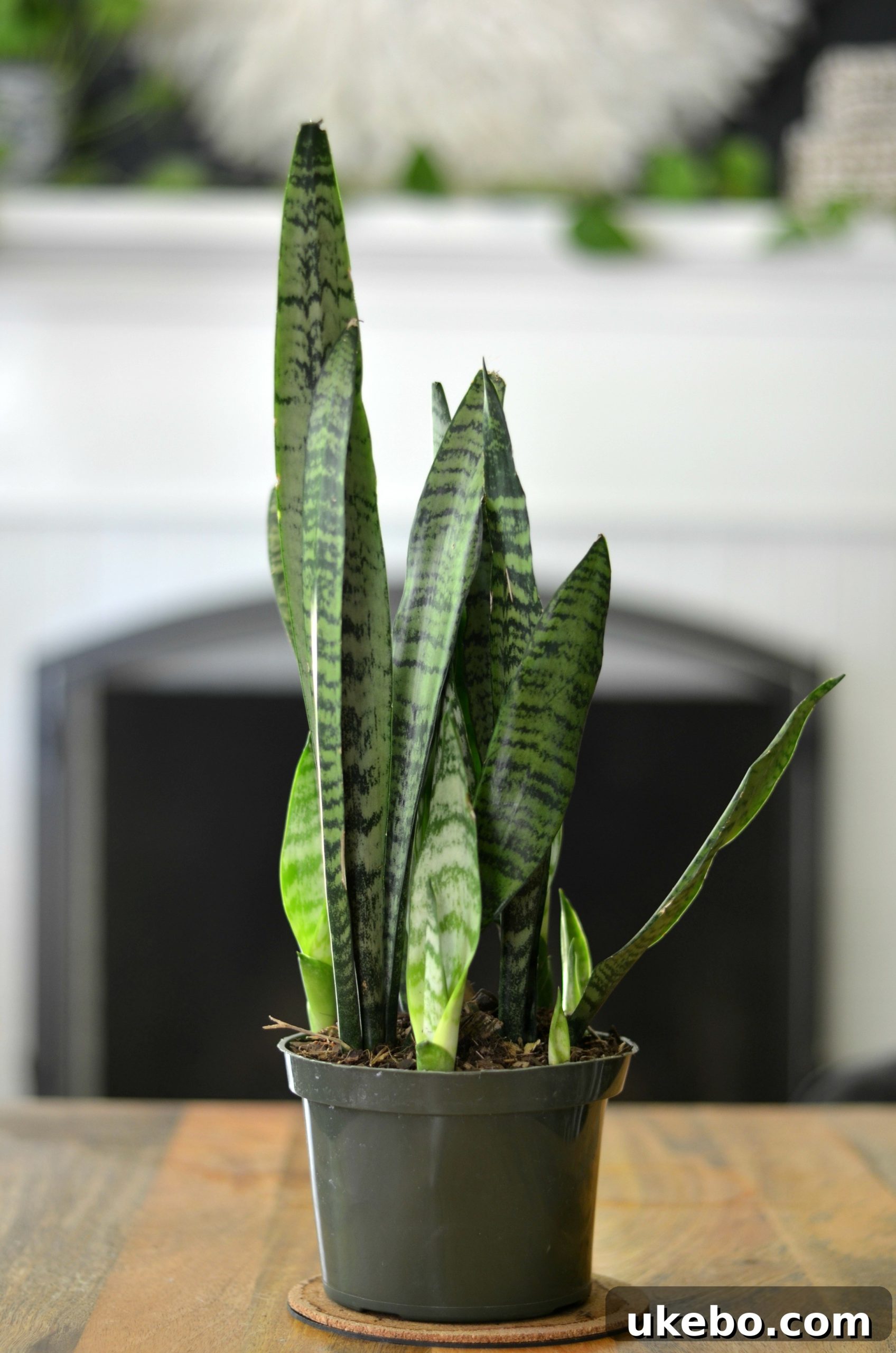
Meet Snape, my newest addition, poised to thrive in a low-lit corner on my bookshelf. The Snake Plant, scientifically known as Sansevieria trifasciata, is truly one of the absolute best plants for beginners. Its iconic, sword-like leaves stand tall and proud, adding a touch of modern elegance to any space. Renowned for its unparalleled hardiness, this plant practically thrives on neglect, making it an ideal choice for busy individuals or those who occasionally forget to water.
- Light Needs: Exceptionally versatile. Snake plants can handle a wide range of light conditions, from low light to bright, indirect light. While they’ll grow faster in brighter conditions, they are perfectly content in dimly lit corners where other plants might struggle.
- Watering: Less is definitely more. Allow the soil to dry out completely between waterings, typically every 2-4 weeks, depending on light and humidity. Overwatering is the most common cause of problems, leading to mushy leaves and root rot. When in doubt, wait another week.
- Propagation: These plants are incredibly easy to propagate! They naturally produce “pups” or offsets from the base, which can be carefully separated from the mother plant and repotted. You can also propagate them from leaf cuttings, simply by placing a section of a leaf in water or moist soil.
- Key Benefit: Besides being low-maintenance, Snake Plants are excellent air purifiers, removing toxins like formaldehyde and benzene from indoor air, even at night. They are also super stars for small spaces due to their upright growth habit.
2. The Charming Peperomia (Peperomia spp.)
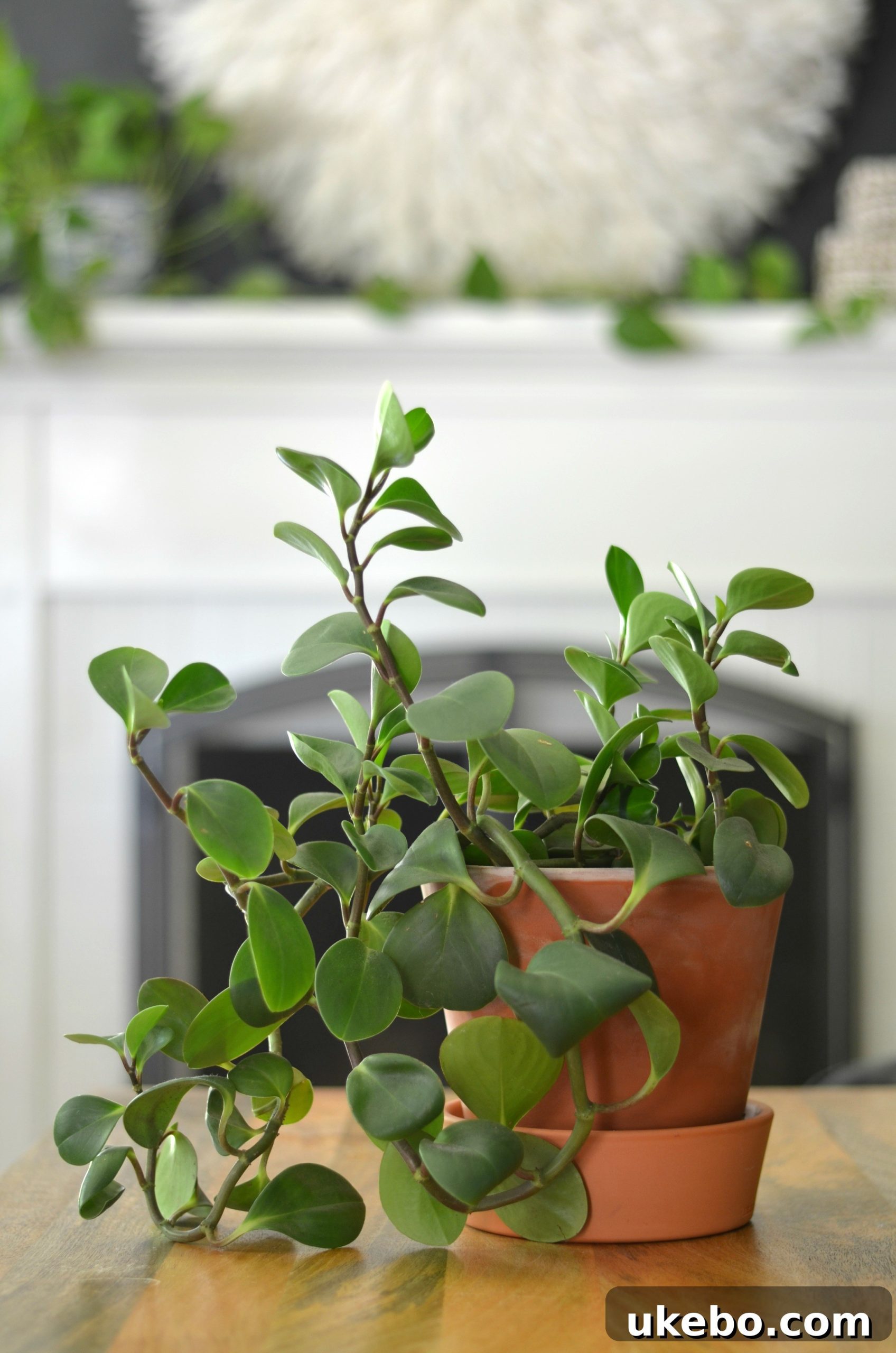
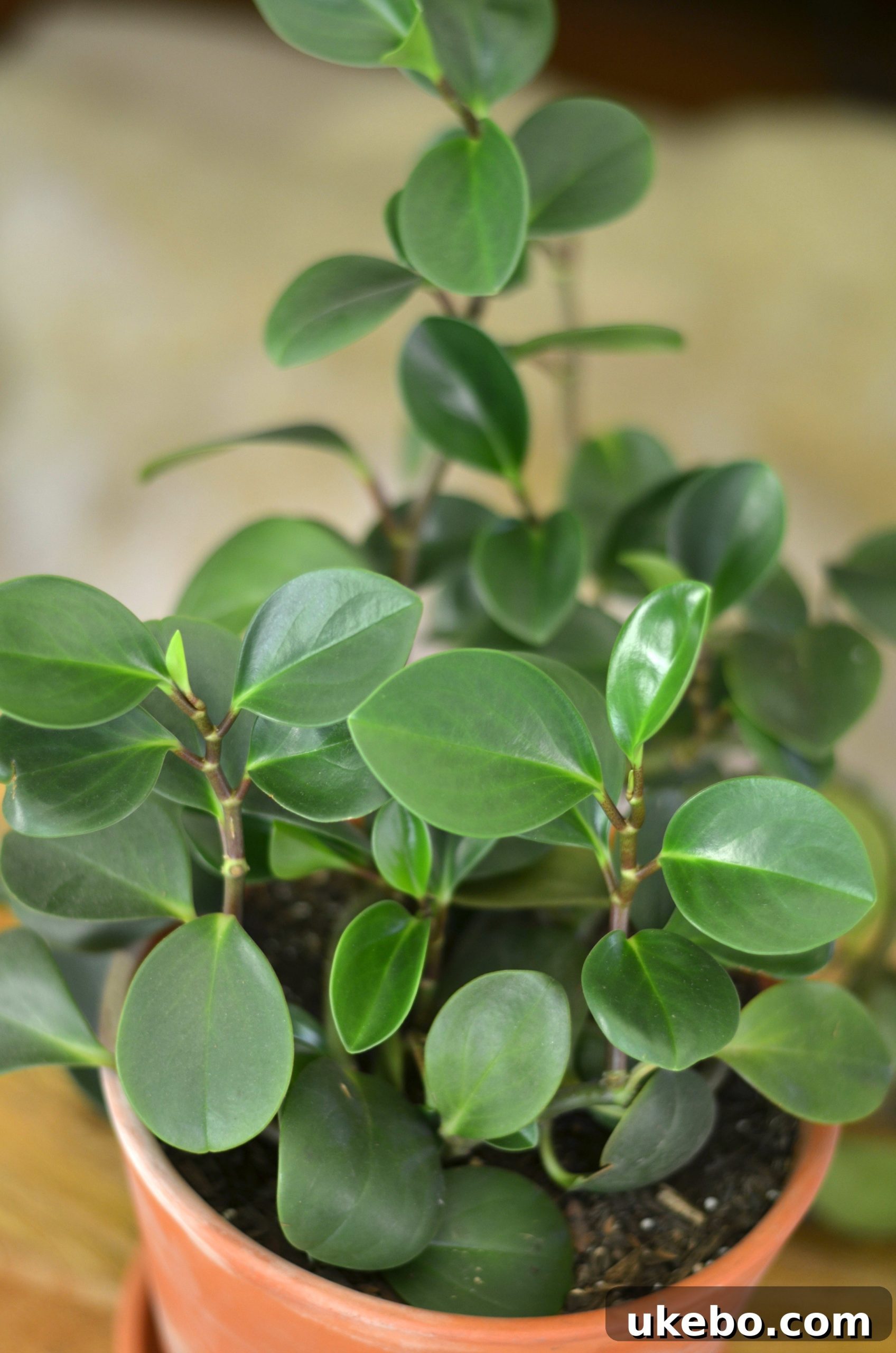
Meet Pepa, my delightful Peperomia, gracefully adorning the top of my refrigerator. The Peperomia genus boasts an astonishing diversity of species, each with unique leaf shapes, textures, and colors – from the beloved ‘Watermelon Peperomia’ (which I’m still patiently searching for!) to varieties with crinkled or variegated foliage. This makes them fascinating plants to collect and an excellent choice for beginners due to their manageable size and straightforward care.
- Light Needs: Peperomias thrive in nice, indirect light. They don’t appreciate direct sunlight, which can scorch their leaves, nor do they want to be tucked away in a dark corner where they might become leggy. A spot a few feet from a bright window is often ideal.
- Watering: Because many Peperomia varieties have somewhat succulent leaves, they prefer their soil to dry out between waterings. Check the soil moisture by feeling the top inch or two; if it’s dry, it’s time to water. Be cautious not to overwater, as they are susceptible to root rot.
- Size and Placement: Their compact growth habit makes Peperomias perfect for shelves, desks, windowsills, or as part of a plant cluster. They add a pop of green or unique texture without taking up much space.
- Key Benefit: Their wide variety ensures there’s a Peperomia to suit every aesthetic. They are also generally non-toxic to pets, which is a significant plus for many plant parents.
3. The Unbeatable Pothos (Epipremnum aureum)
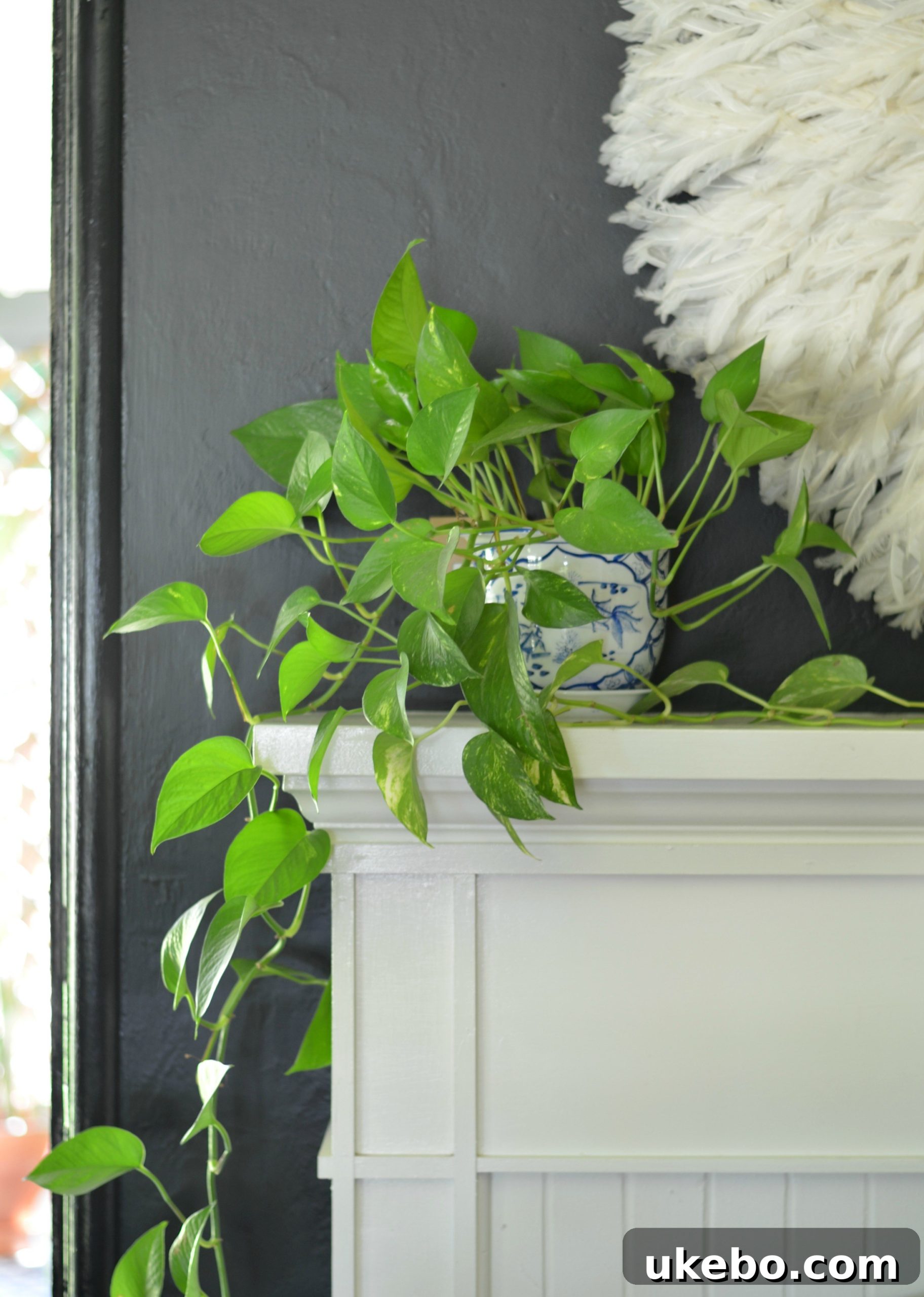
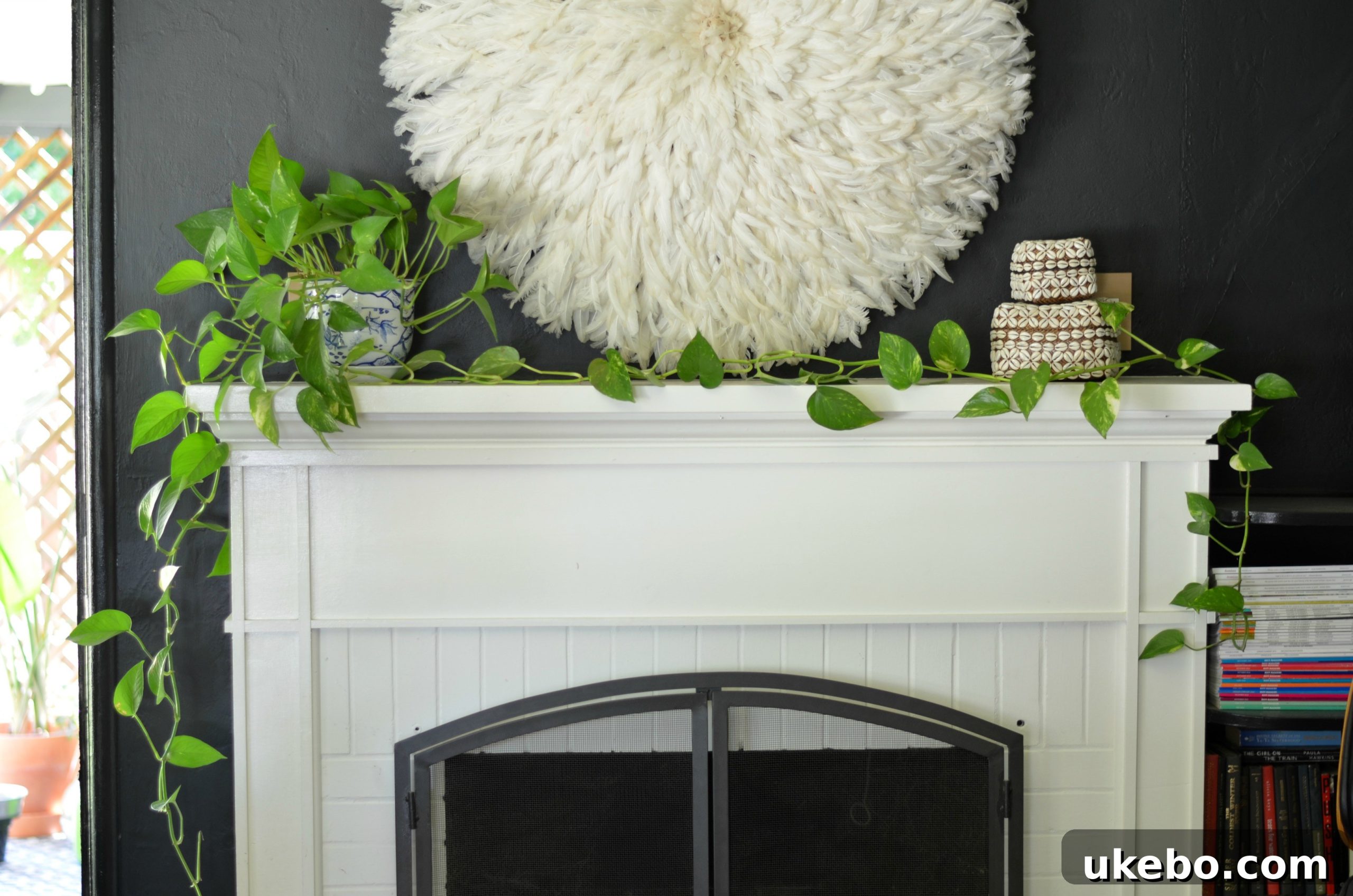
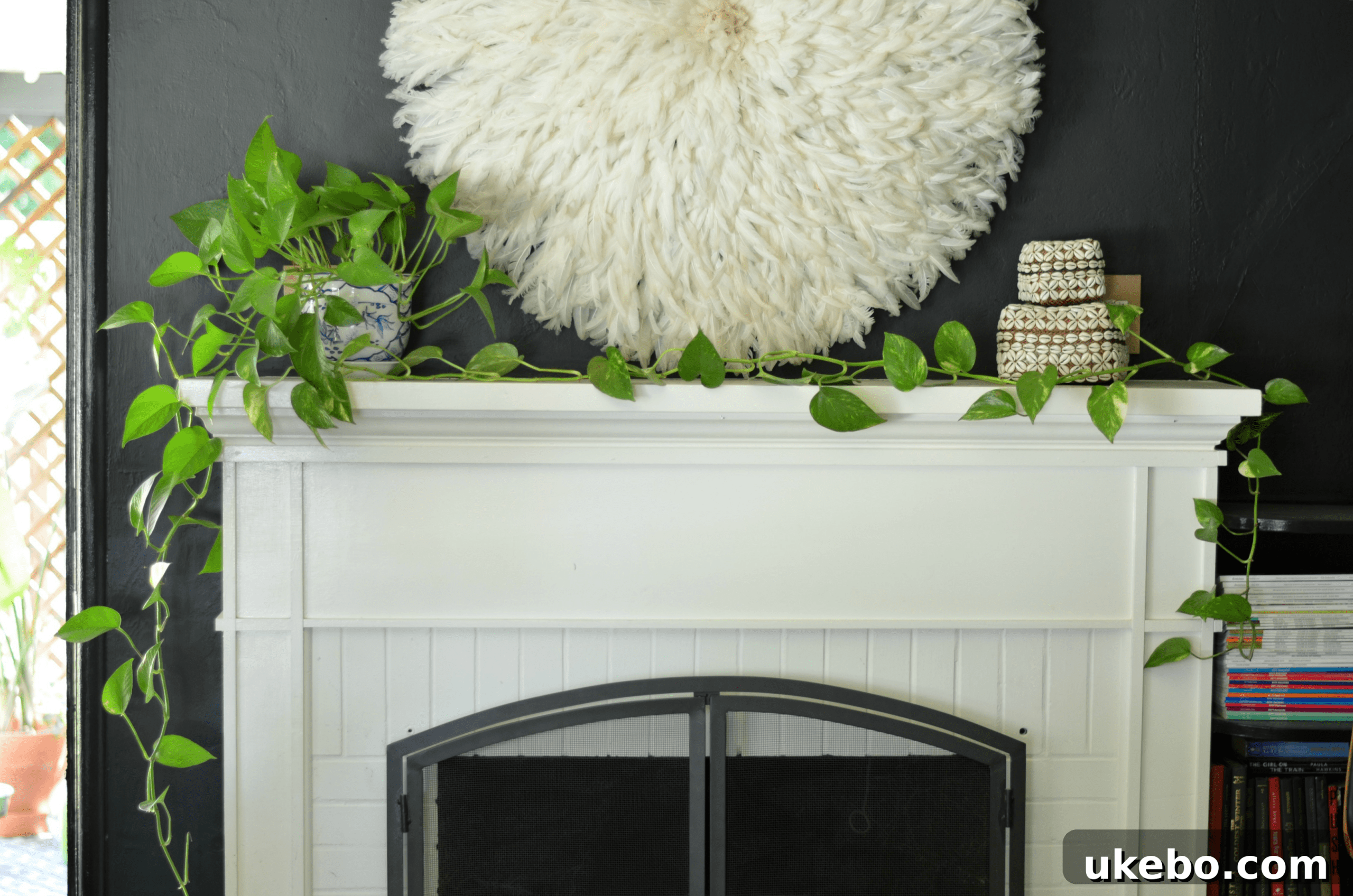
Allow me to introduce Priscilla, one of my two Pothos plants, and in my honest opinion, hands down the easiest houseplant to care for. If you’re looking for a plant that’s truly indestructible and offers incredible versatility, the Pothos (Epipremnum aureum) is your champion. Its trailing vines and heart-shaped leaves come in various stunning variegations, from solid green to splashes of yellow, white, or silver.
- Unparalleled Resilience: The Pothos is a true rockstar. It tolerates a wide range of conditions, from low light to bright, indirect light. It can handle fluctuating humidity levels and even survive periods of neglect. I’ve witnessed these plants literally come back from the brink of death – sad, droopy leaves and rock-hard soil can often be revived with a deep watering. Just place it in a sink or shower and give it a thorough soak; you’ll often see the leaves perk up within an hour!
- Versatile Placement: Its vining nature makes the Pothos perfect for hanging planters, freeing up valuable surface and floor space. It looks spectacular trailing down a wall, across a bookshelf, or even climbing a moss pole for a more upright look.
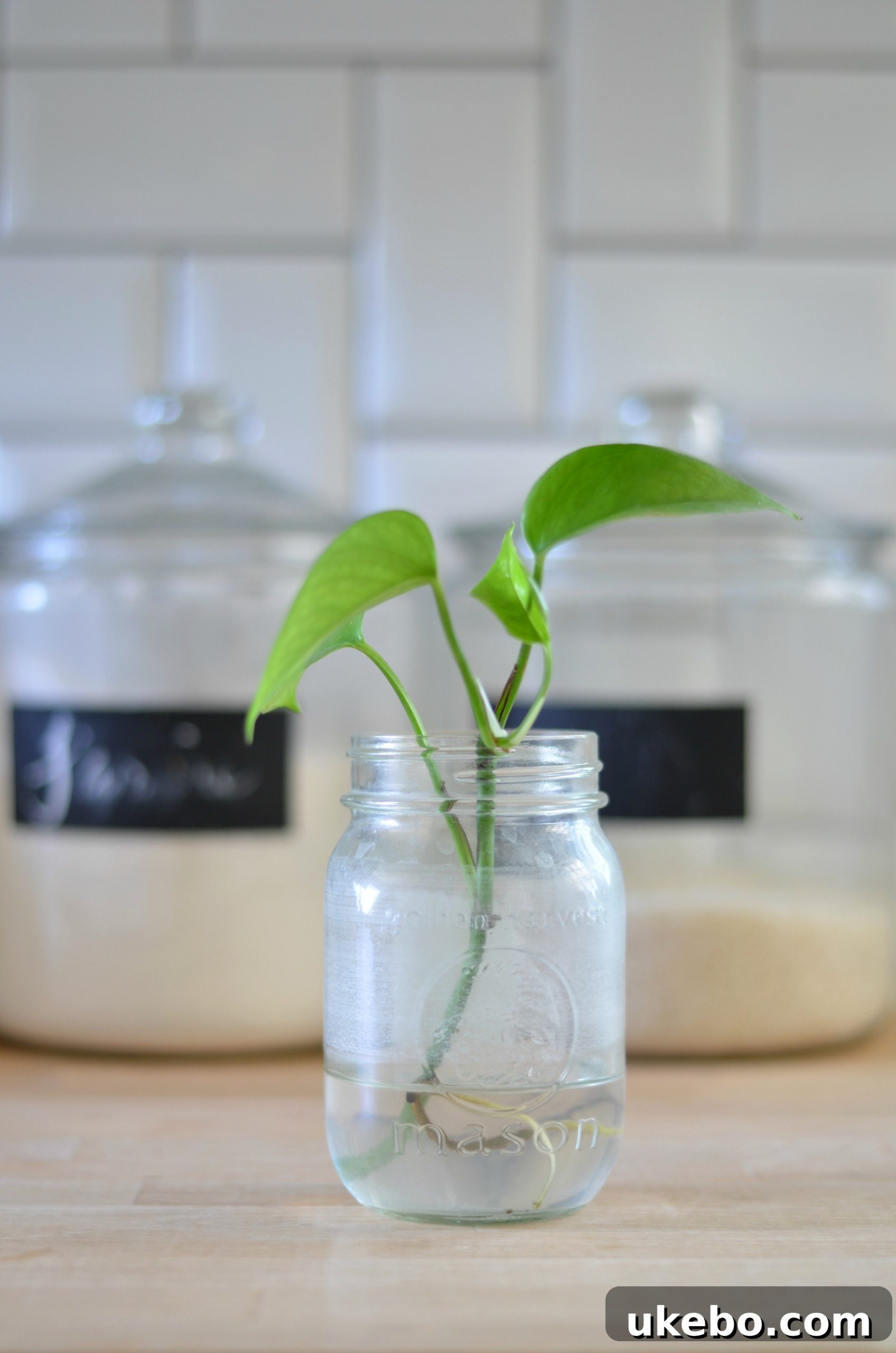
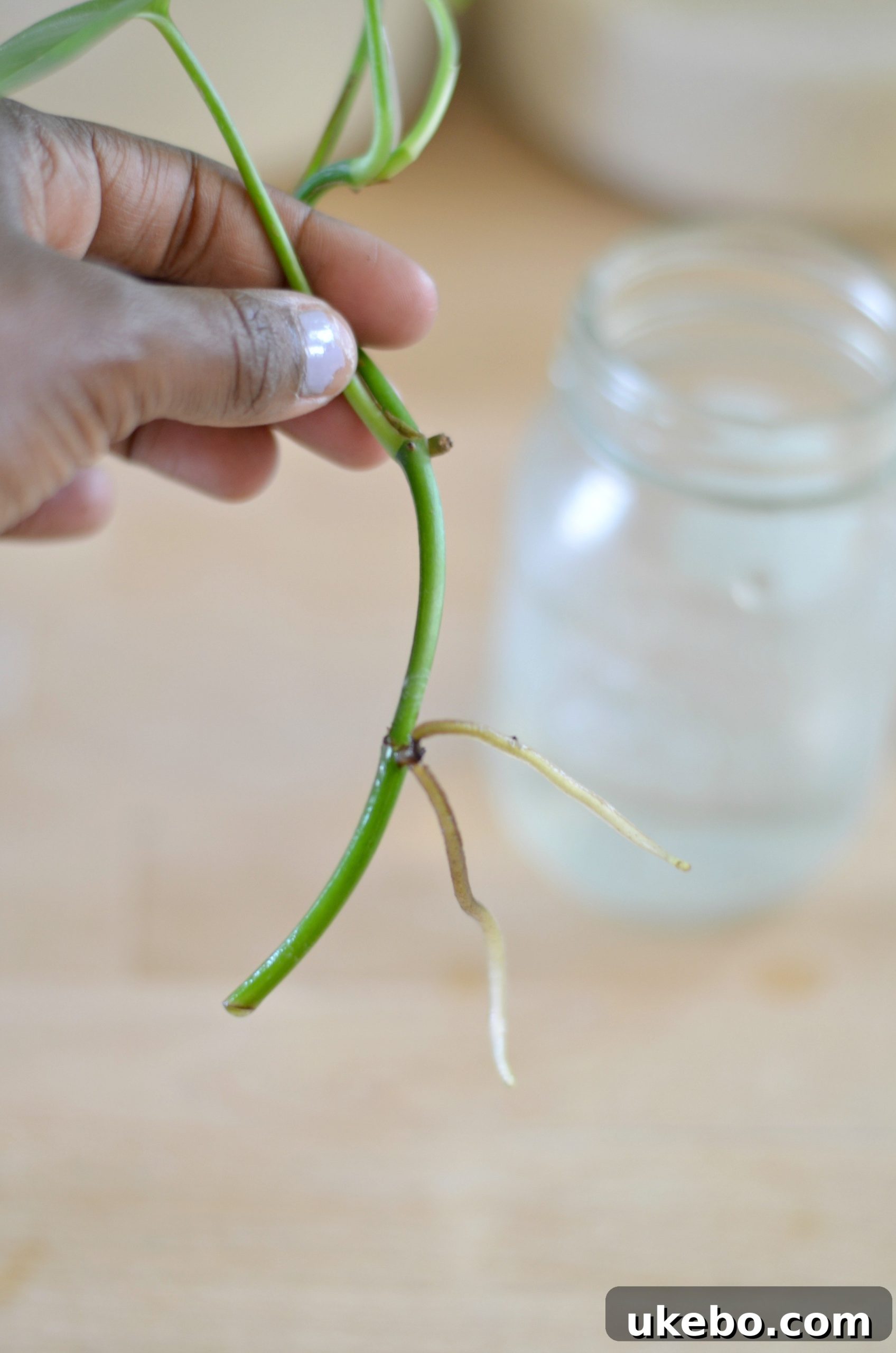
- Effortless Propagation: Propagating a Pothos is ridiculously easy. Simply take a stem cutting that includes a node (the bump where a leaf or root emerges), stick it in a glass of water, and within a few weeks, you’ll see roots forming. Once rooted, plant it in soil, and you’ve got yourself a brand new plant or a fuller existing one!
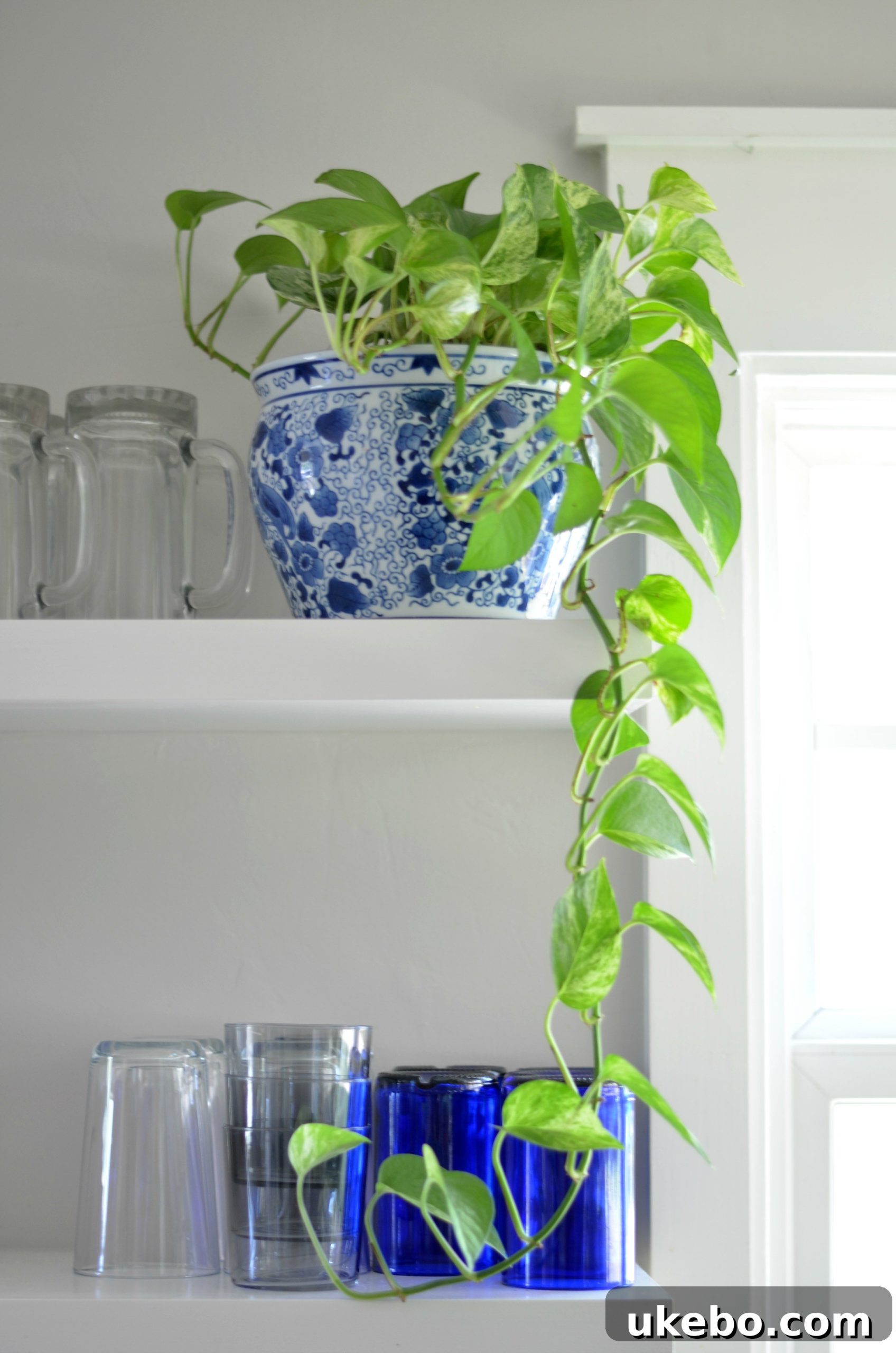
Whether you’re aiming for dramatic cascades of foliage or simply seeking a resilient green companion, the Pothos delivers. Its adaptability and forgiving nature make it a must-have for every beginner plant parent.
4. The Stylish Rubber Tree (Ficus elastica)
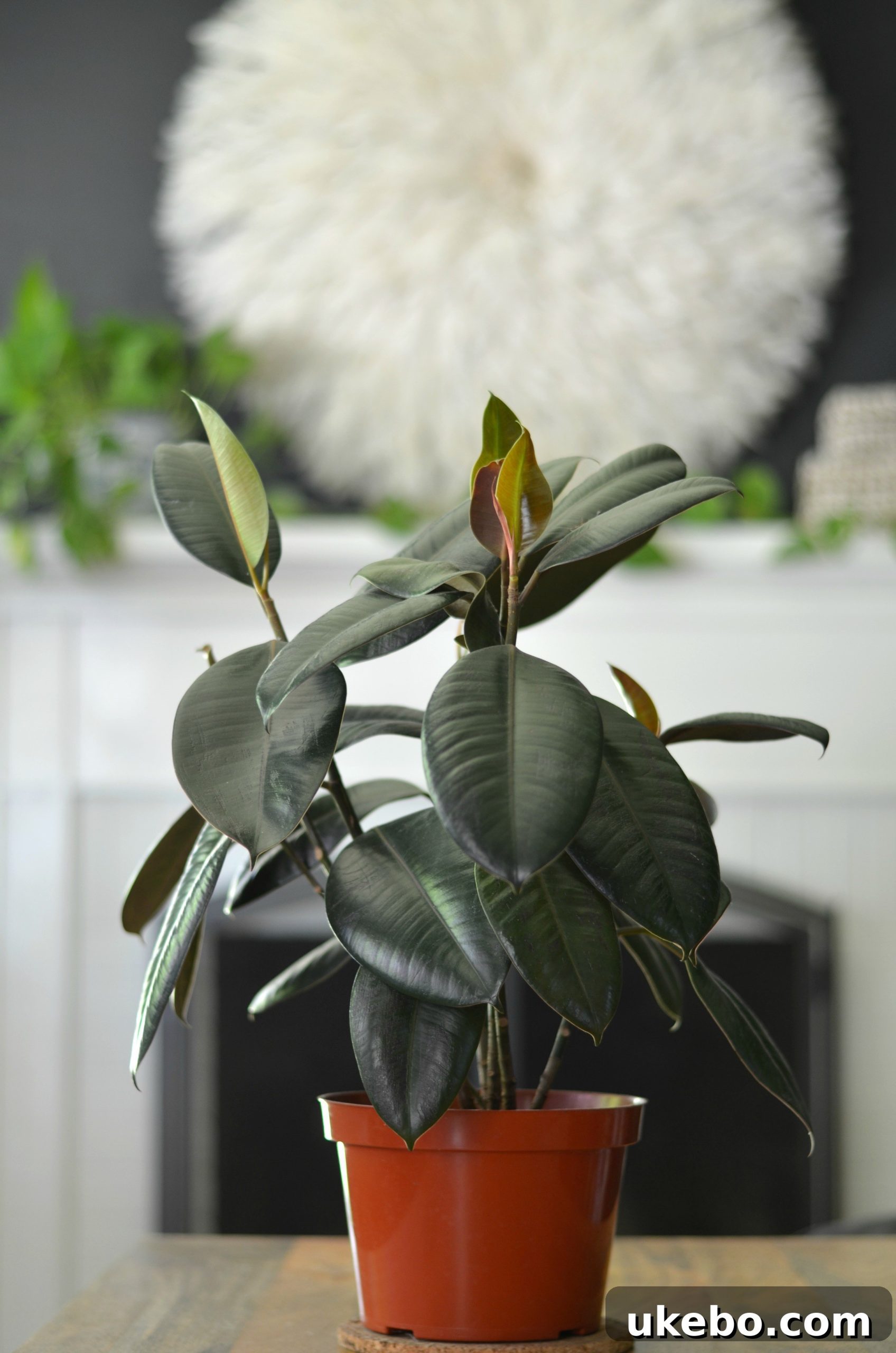
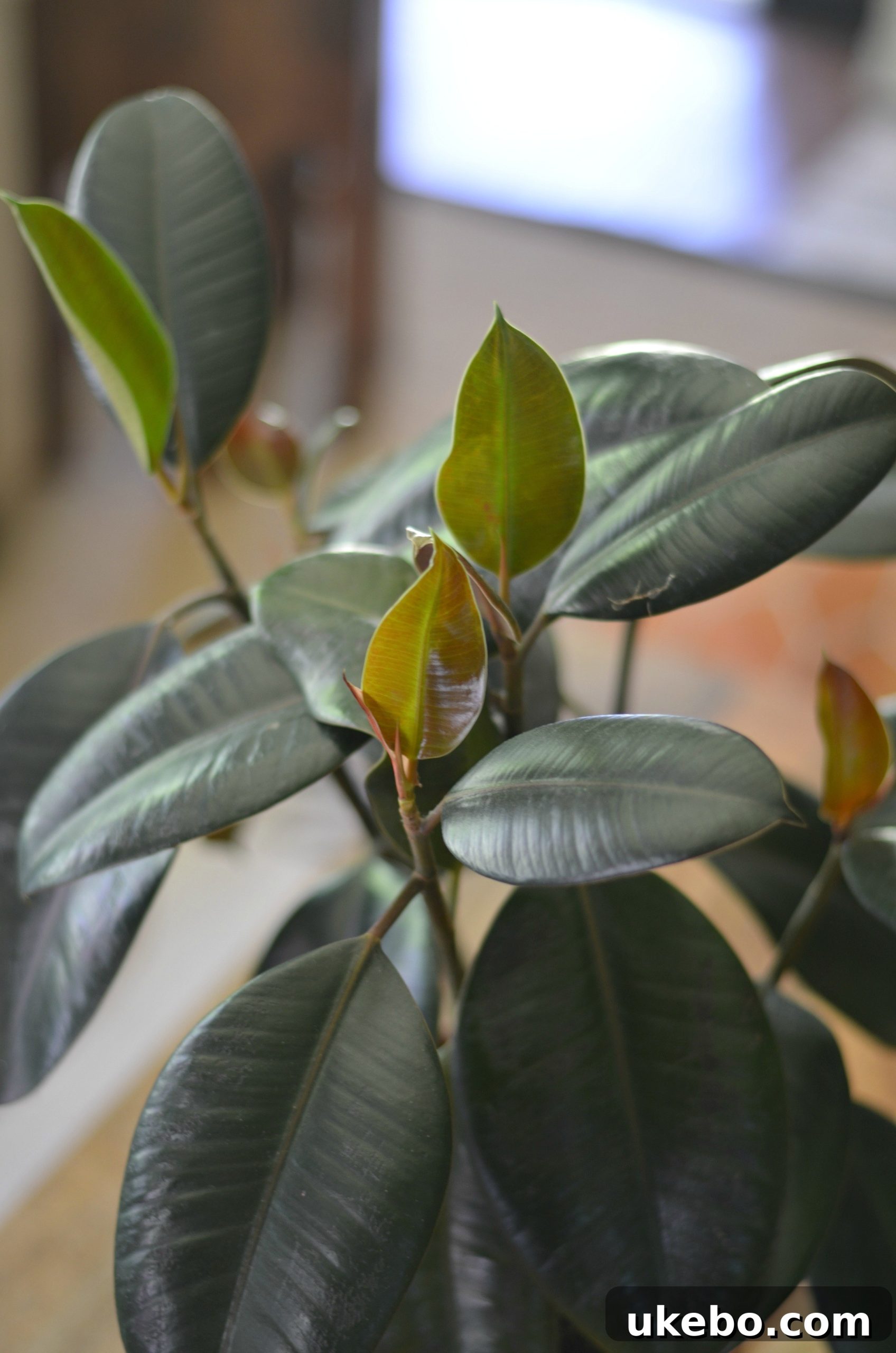
Say hello to Ruby, my beloved Rubber Tree plant! I absolutely adore its deep, showy leaves and the striking red-colored stems that many varieties, like mine, proudly display. The Rubber Tree (Ficus elastica) is an excellent option for beginners seeking a statement plant that combines elegant aesthetics with surprisingly easy care. While it can grow quite tall, it’s a magnificent addition to homes with a bit of floor space to fill.
- Light and Water: Give your Rubber Tree a spot with nice, bright, indirect light – think near a window but not directly in the harsh sun. Water every two weeks or so, allowing the top couple of inches of soil to dry out between waterings. Consistent watering is key, but avoid overwatering.
- Growth and Size: Rubber trees can grow impressively tall, making them perfect for filling an empty corner or acting as a focal point in a room. While not ideal for the tiniest of spaces, if you have a little floor area near a window, it’s a fantastic choice. Regular pruning can help manage its size and encourage bushier growth.
- Outdoor Potential: If you live in a temperate climate, Rubber Trees can thrive outdoors year-round on a covered porch or patio. I keep Ruby on our porch during the warmer months, bringing her inside only when nighttime frosts threaten. This cyclical outdoor exposure often encourages vigorous growth.
- Maintenance Tip: Its large, glossy leaves can collect dust. Gently wiping them down with a damp cloth every few weeks not only keeps them looking pristine but also ensures maximum light absorption for healthier growth.
5. The Unkillable ZZ Plant (Zamioculcas zamiifolia)
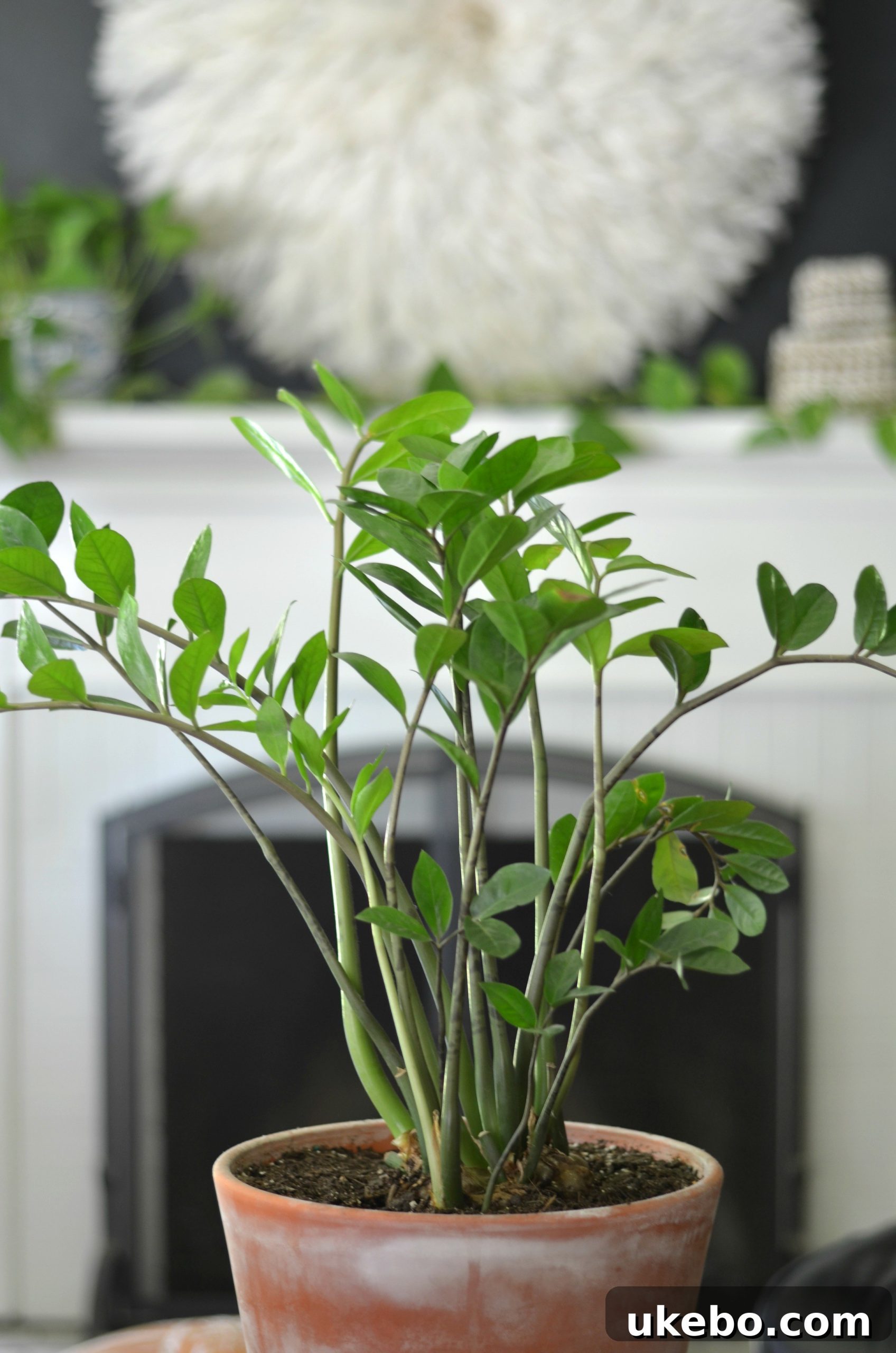
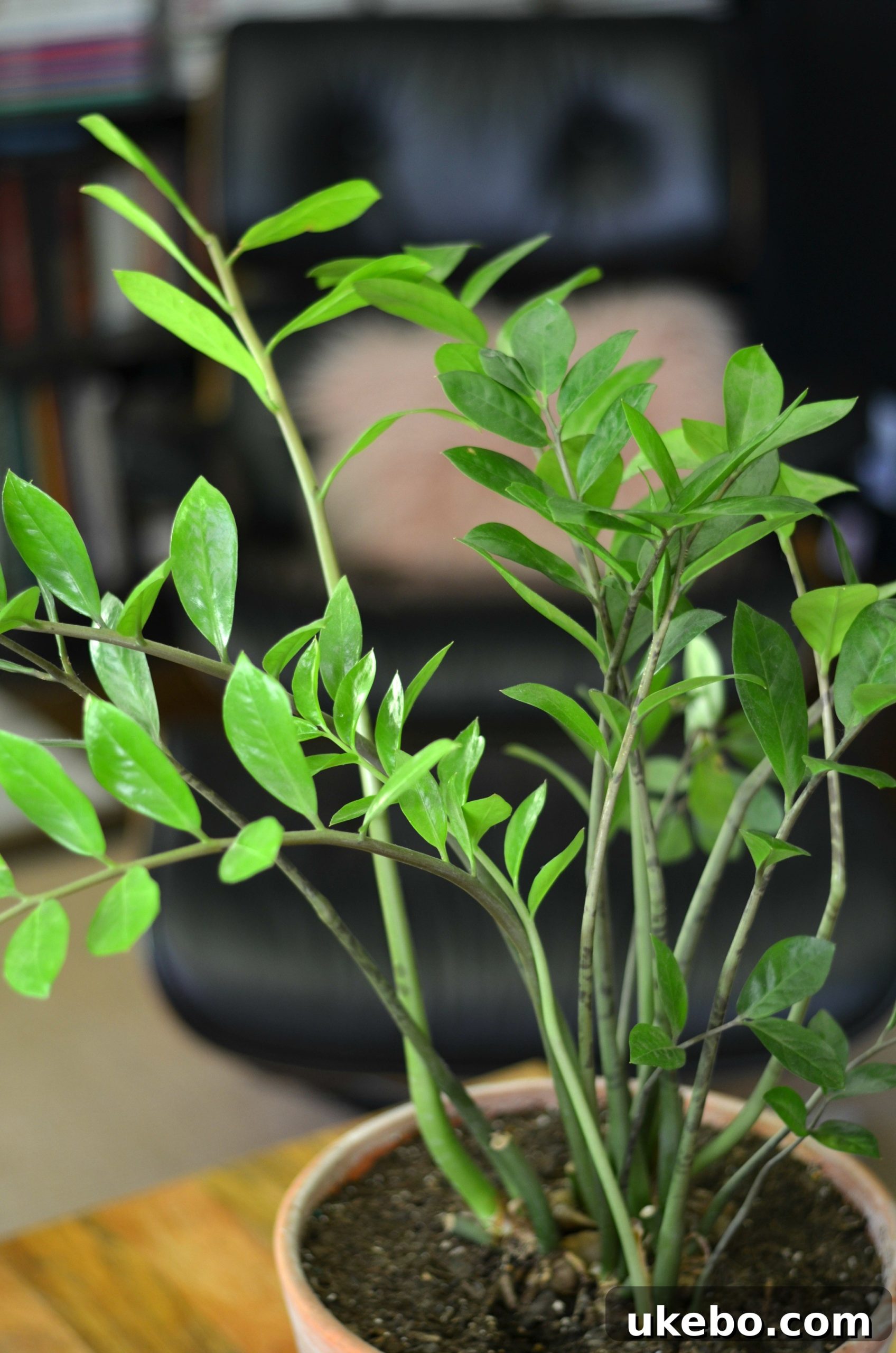
Meet Ziggy, truly “the man” of the plant world! The ZZ Plant (Zamioculcas zamiifolia) is legendary for its resilience and ability to thrive under conditions that would challenge almost any other houseplant. If you’re someone with a demanding schedule, frequent travel plans, or a tendency to forget about watering, the ZZ plant is your ultimate ride-or-die companion. It truly embodies the term “low-maintenance.”
- Extreme Drought Tolerance: The ZZ plant stores water in its thick rhizomes (underground stems), allowing it to go for extended periods without water. I might water Ziggy only once a month, if that! This makes it exceptionally forgiving of neglect.
- Versatile Light Adaptability: While it prefers medium to bright indirect light, the ZZ plant is incredibly tolerant of low-light conditions, making it suitable for almost any room in your home, even those with minimal natural light.
- Appearance: Its waxy, dark green leaves are naturally glossy, giving it a polished and architectural look without any effort. It’s an ideal starter plant for cultivating a serene green space with minimal commitment.
- Caution: All parts of the ZZ plant are toxic if ingested, so it’s best to keep it out of reach of pets and small children. Handle with care and wash hands after pruning.
6. The Bold Dieffenbachia (Dieffenbachia spp.) – Aka Tropic Snow / Dumb Cane
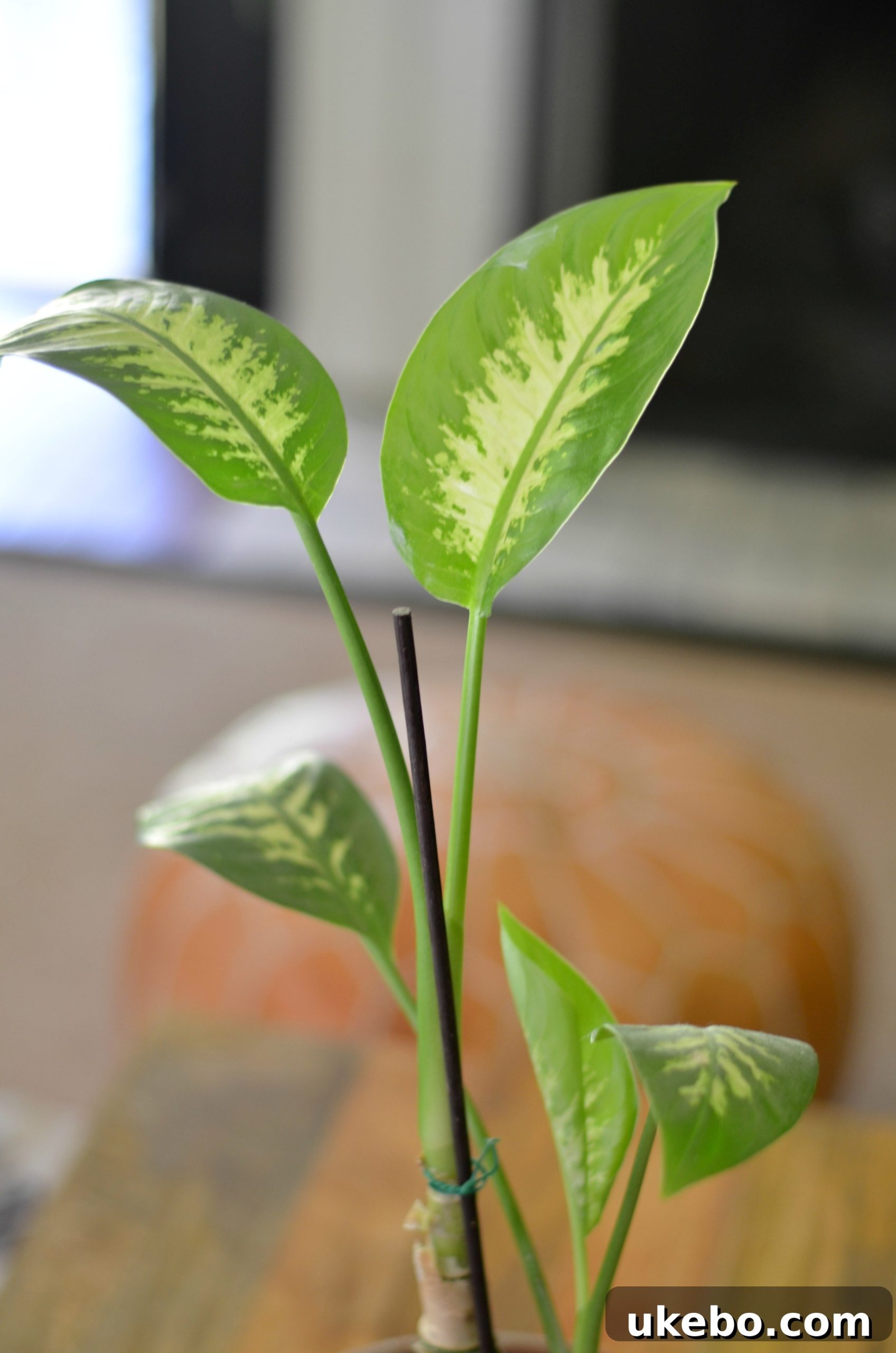
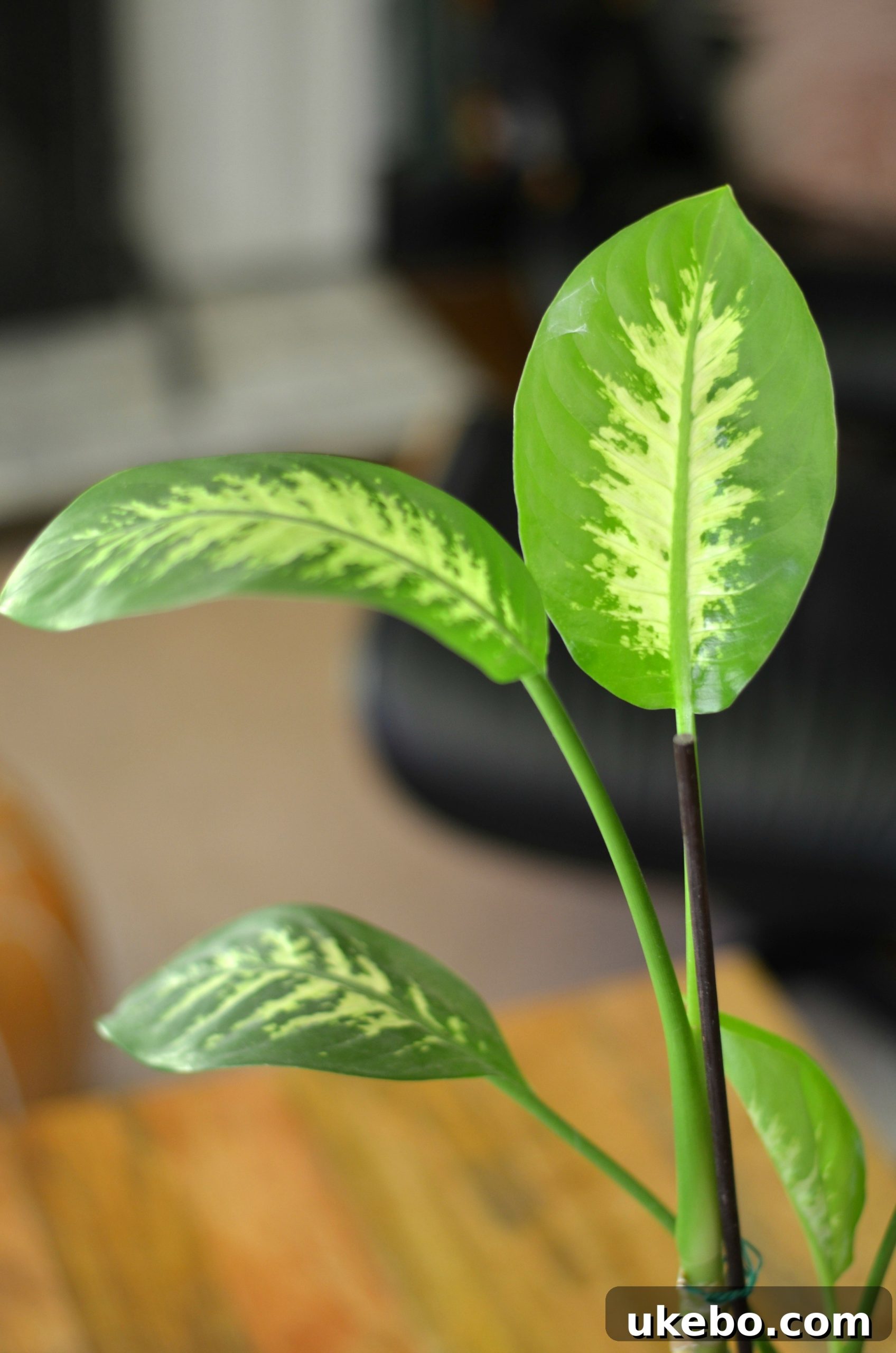
This is my sweet Diggy, currently in recovery after a little mishap (which we won’t dwell on!). Despite my error, Diggy’s resilience shines through, earning the Dieffenbachia (also known as Tropic Snow or Dumb Cane) a spot on this list of great starter plants. These plants are celebrated for their large, striking leaves, often adorned with beautiful patterns of green, white, and yellow, adding a dramatic tropical flair to any indoor setting.
- Care Simplicity: The Dieffenbachia is surprisingly straightforward to care for. Its primary needs are consistent watering and decent light.
- Light Needs: It prefers bright, indirect light to maintain its vibrant variegation, but can tolerate medium light conditions. Avoid direct sunlight, which can scorch its delicate leaves.
- Watering: Keep the soil consistently moist, but never soggy. Allow the top inch of soil to dry out before watering again. Yellowing leaves can often be a sign of overwatering, while crispy brown edges might indicate underwatering or low humidity.
- Growth: Dieffenbachias can grow quite large over time, becoming impressive focal points. Their upright growth habit makes them excellent floor plants for filling vertical space.
- Important Caution: It’s crucial to note that Dieffenbachia sap contains calcium oxalate crystals, which can cause irritation and swelling if ingested. This is why it’s commonly called “Dumb Cane.” Always handle with gloves and keep out of reach of pets and children.
7. The Magnificent Monstera (Monstera deliciosa) – Aka Split Leaf Philodendron
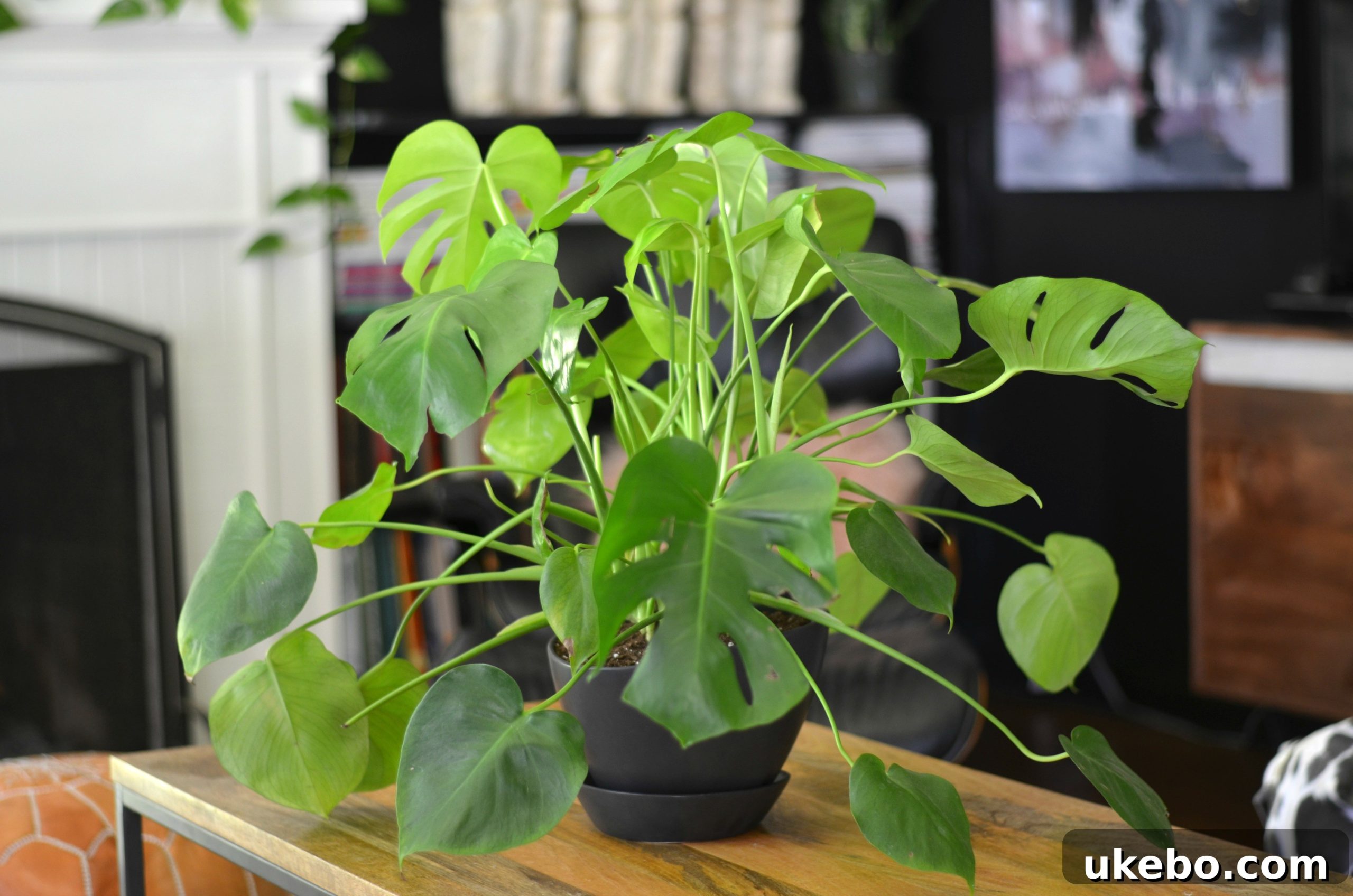
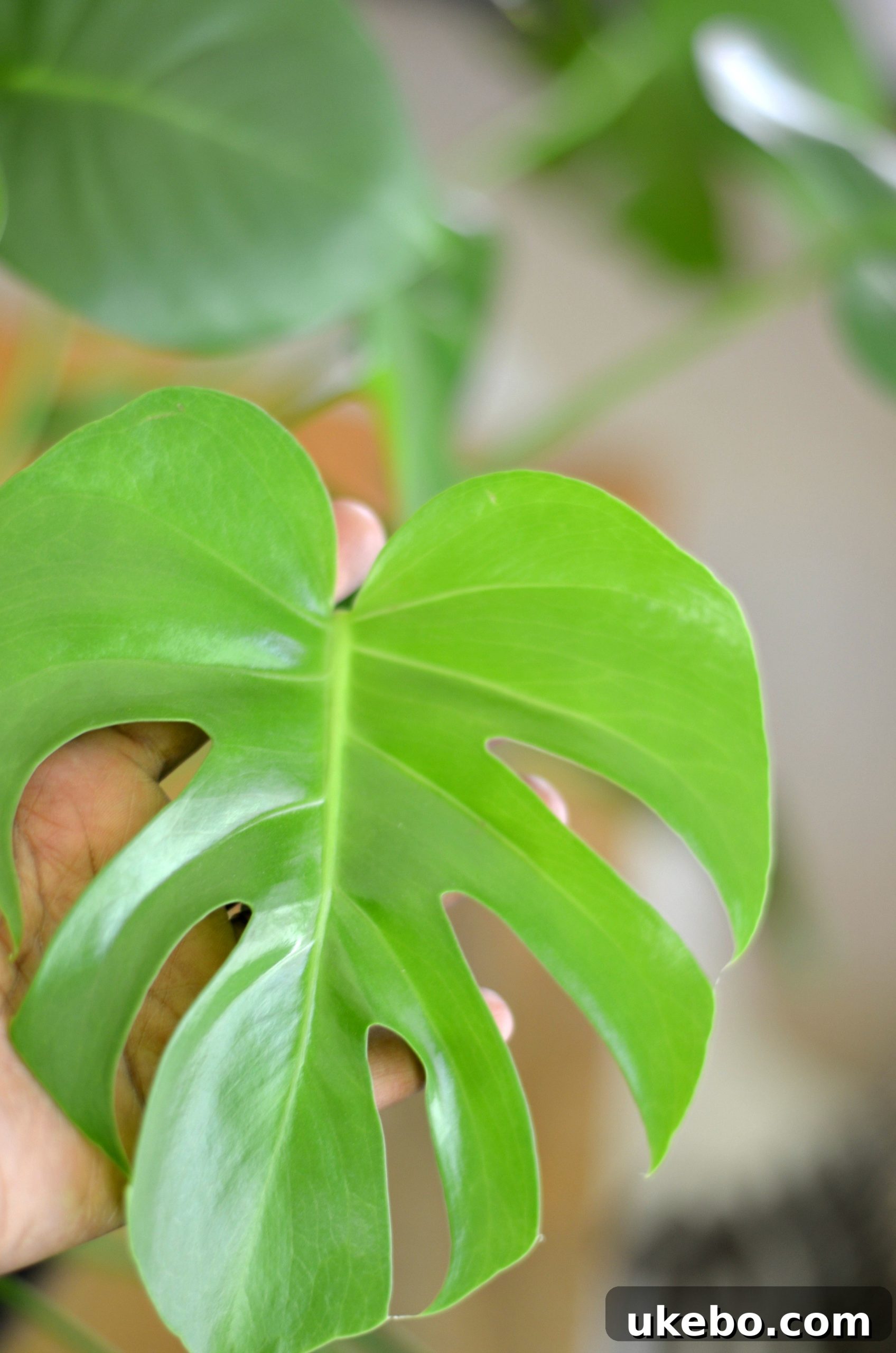
This is my Martha girl, named after my wonderful Grammy, and she’s a plant that I truly adore! The Monstera (often mistakenly called Split Leaf Philodendron, though it’s a distinct genus, Monstera deliciosa) is one of those plants that looks incredibly difficult to care for, yet is surprisingly easy. This tropical beauty will not only bring a stunning visual impact to your home but will also give you an immense boost of plant-parent confidence! People will marvel at its gorgeous, showy leaves and might assume you’re a plant genius – and secretly, you’ll know just how forgiving it truly is!
- Iconic Foliage: Monsteras are famous for their large, glossy, heart-shaped leaves that develop characteristic splits and holes (fenestrations) as they mature. These natural perforations are a sign of a happy, healthy plant.
- Care Requirements: Don’t be intimidated by its exotic appearance! This plant is very easy to care for. It enjoys consistent moisture, so keep the soil moist but never waterlogged. Allow the top inch or two to dry before rewatering.
- Light Needs: Monsteras thrive in bright, indirect light but are surprisingly tolerant of lower light conditions. You don’t need abundant light to keep it happy, though brighter light will encourage more fenestrations and faster growth.
- Humidity Love: Being a tropical plant, the Monstera appreciates higher humidity. Occasional misting, especially during dry indoor months, or placing it near a humidifier will make it even happier. Its aerial roots also enjoy a bit of moisture.
- Growth and Support: This plant can get quite large, so it’s best suited for spaces where it has room to spread. Providing a moss pole or stake for its aerial roots to climb will encourage larger leaves and more mature growth.
- Bathroom Bliss: Monsteras absolutely love bathrooms, especially if there’s a window for some light. The warm, humid environment created by your hot showers provides the welcome moisture it craves, making it an ideal choice for a spa-like retreat.
8. The Rewarding Fiddle Leaf Fig (Ficus lyrata) – A Bonus Challenge for the Patient
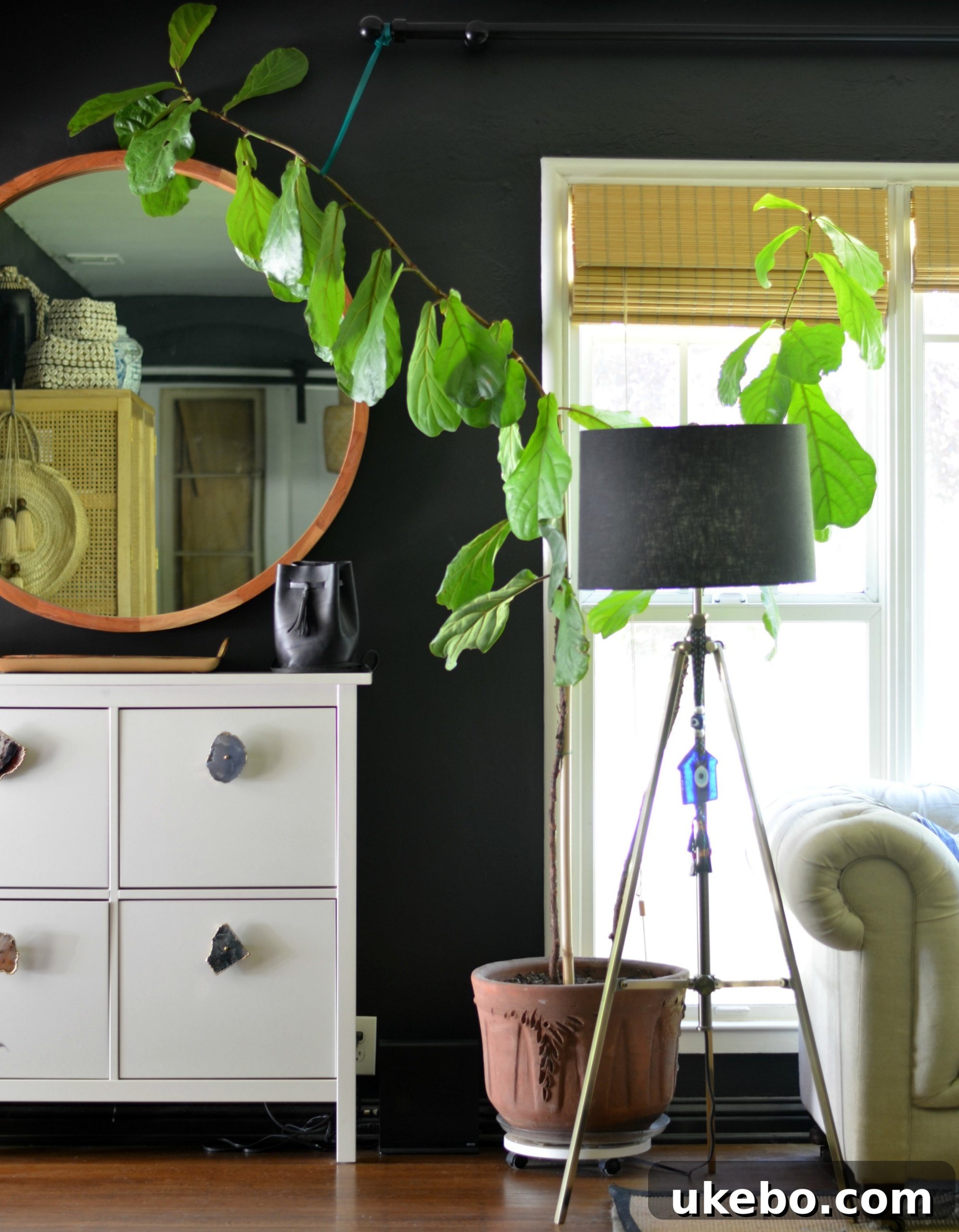
And now for a special bonus plant, my absolute pride and joy: Fiona, my very first plant baby! She’s been with me for over six years, and while many people are initially intimidated by the Fiddle Leaf Fig (Ficus lyrata) due to its notoriously finicky reputation, I genuinely believe anyone can keep one alive and thriving – once you understand its specific needs. Fiona’s story is a testament to patience and consistent care.
- The Number One Killer: Overwatering. This is where most people go wrong. Fiddles absolutely detest soggy roots. People tend to “love them to death” by overwatering. I water Fiona approximately every two weeks, but this can vary based on the season, light, and humidity.
- The Finger Test is Key: To determine if your Fiddle needs water, stick your finger about an inch or two deep into the soil. If it feels dry, it’s time to water thoroughly. If it’s still damp or moist, wait a few more days and recheck. Err on the side of underwatering rather than overwatering.
- Understanding Dormancy: Fiddle Leaf Figs go into a period of dormancy, usually in fall and winter. During this time, they may not put out new leaves and growth will slow significantly. Many beginners mistakenly assume their plant is dying! No, it’s just resting. Continue to water as usual, though it might need slightly less water when dormant.
- Feeding for Vigor: To encourage robust growth during the active growing season (spring and summer), I feed Fiona every other watering. Once dormancy sets in, stop feeding until the next growing season. A balanced liquid fertilizer works well.
- Light Requirements: Fiddle Leaf Figs absolutely LOVE bright, indirect light. Fiona thrives in a north-facing window, which provides consistent bright light without direct sun exposure. Consistent light from one direction can also encourage even growth.
- Patience and Observation: Fiona was tiny when I got her, and about six months later, she lost all her leaves due to a weird disease. I didn’t give up, and neither should you! With continued care, she recovered beautifully and is now touching the ceiling, having received her second major pruning. Be patient, observe your plant, and avoid the “helicopter plant parent” syndrome.
General Tips for a Thriving Indoor Garden
Beyond the specific care instructions for each plant, a few overarching habits will contribute significantly to the health and longevity of your indoor plant collection:
- Wipe Down Leaves: Dust accumulates quickly on plant leaves, hindering their ability to absorb light efficiently. Gently wipe down the leaves of your plants every few weeks with a soft, damp cloth. This simple act keeps them looking vibrant and ensures maximum photosynthesis.
- Rotate Your Plants: To encourage even growth and prevent your plants from becoming lopsided, rotate them periodically (e.g., once a week or every two weeks) so that all sides receive adequate light.
- Inspect Regularly: Make a habit of regularly inspecting your plants for any signs of pests, diseases, or nutrient deficiencies. Early detection is crucial for addressing issues before they become severe.
- Give Yourself Grace: Plant parenting is a learning journey, much like raising human babies! You won’t always get it right, and that’s perfectly okay. Learn from any struggles, adjust your care, and enjoy the process of nurturing life.
Connect with More Plant Inspiration
Now that you’re armed with the knowledge to grow your indoor garden, I encourage you to seek out even more plant inspiration! My design bestie, Carmeon, is also sharing her plant insights today. She boasts an incredible collection, including her GORGEOUS ‘Jungle Queen’ – a truly massive plant that stands taller than me! I was absolutely in awe when I saw it in person during my visit to Memphis. Head over to her blog to meet her other magnificent plant babies and discover her unique approach to plant care.
via Carmeon’s Blog
Until next time, happy planting!
*For even more plant tips and visual guides, make sure to check out my highlights on Instagram titled “Plants.” I share lots of helpful videos there!